
Jonathan Kingdon: In the Great Tradition of the Artist / Naturalist
Throughout history, the relationship between art and science has oscillated. There have been periods in which the disciplines were inseparable, when understanding the world demanded both scientific observation as well as artistic representation or knowledge. And there have been periods in which they have diverged, becoming specialised, each developing its own language and methods. It feels like we are currently occupying the later. Intellectuals in the past might have been expected to have knowledge of both art as well as the sciences but sometimes, today, It feels like we occupy a space where science and art are treated as opposites; one analytical and objective, the other expressive and subjective. Jonathan Kingdon stands as a remarkable exception to this sad divergence.
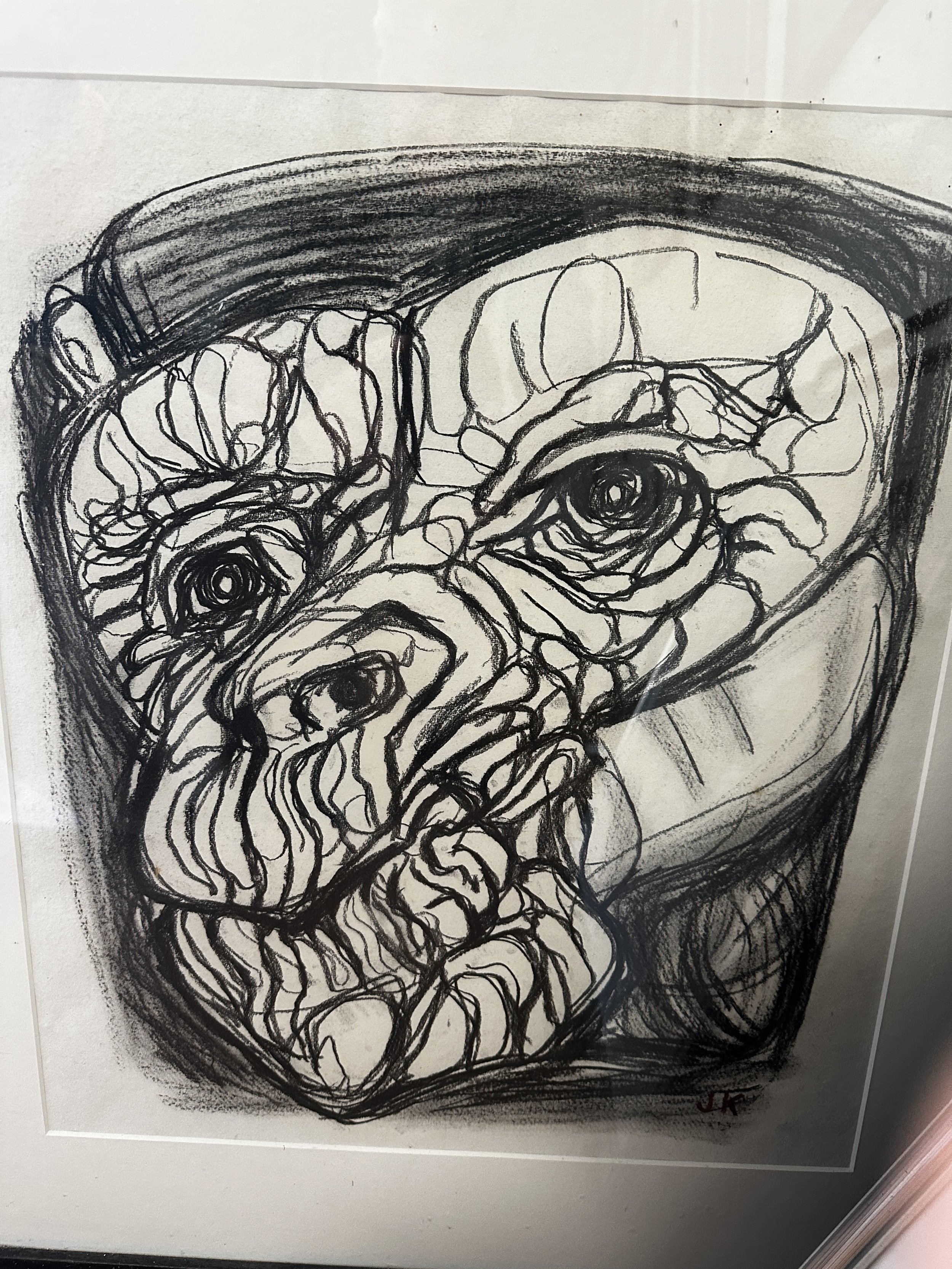
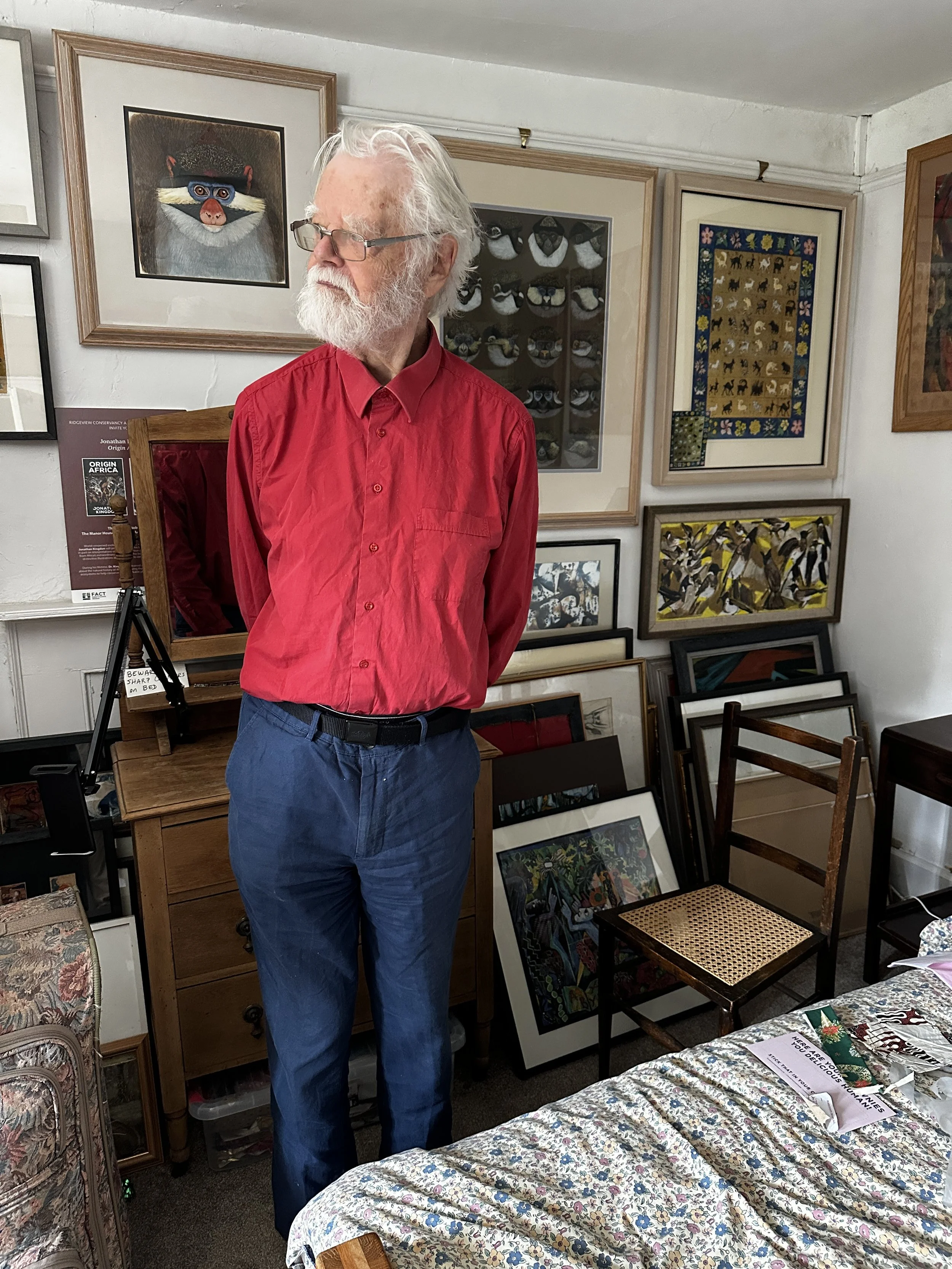
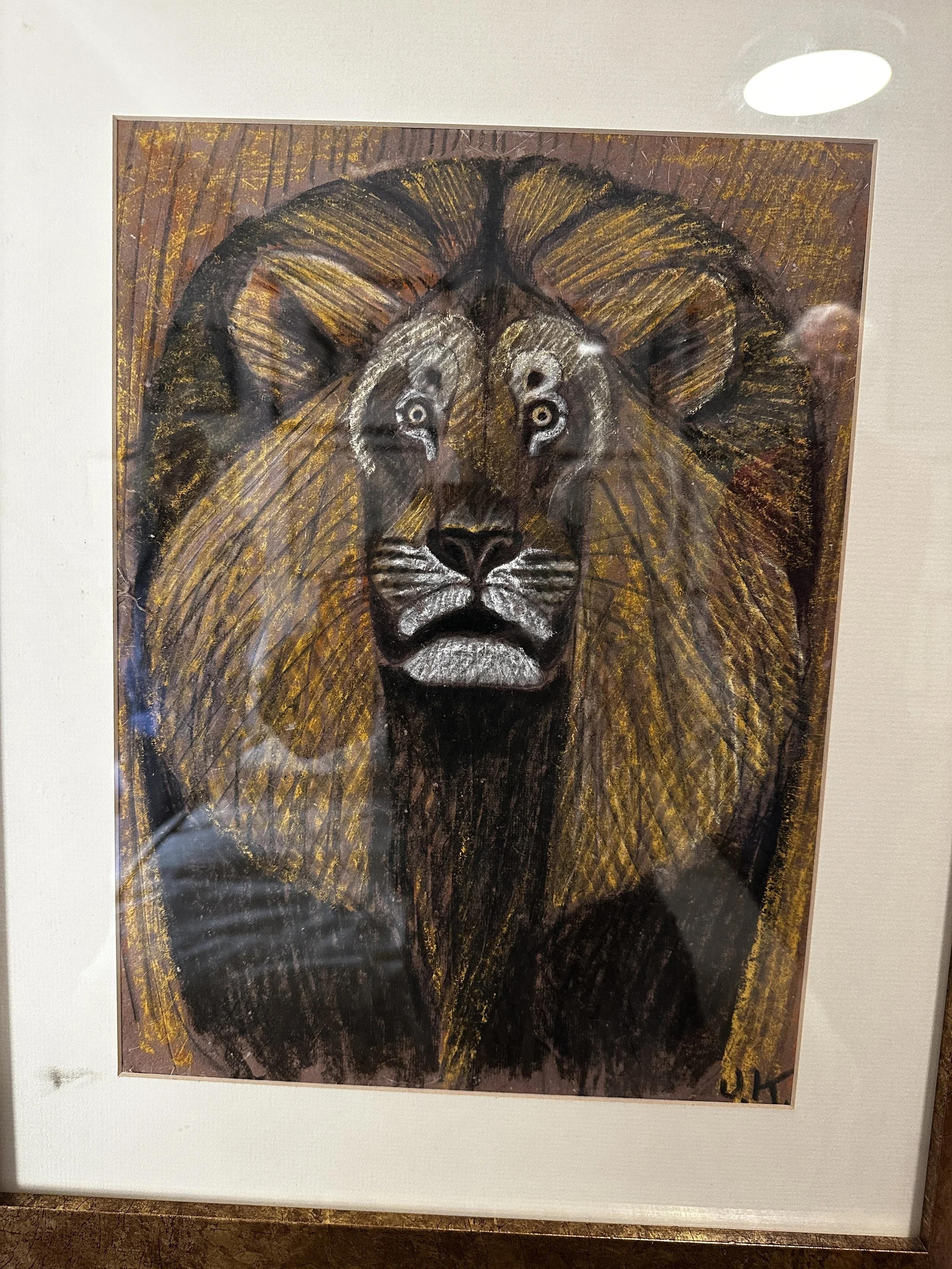
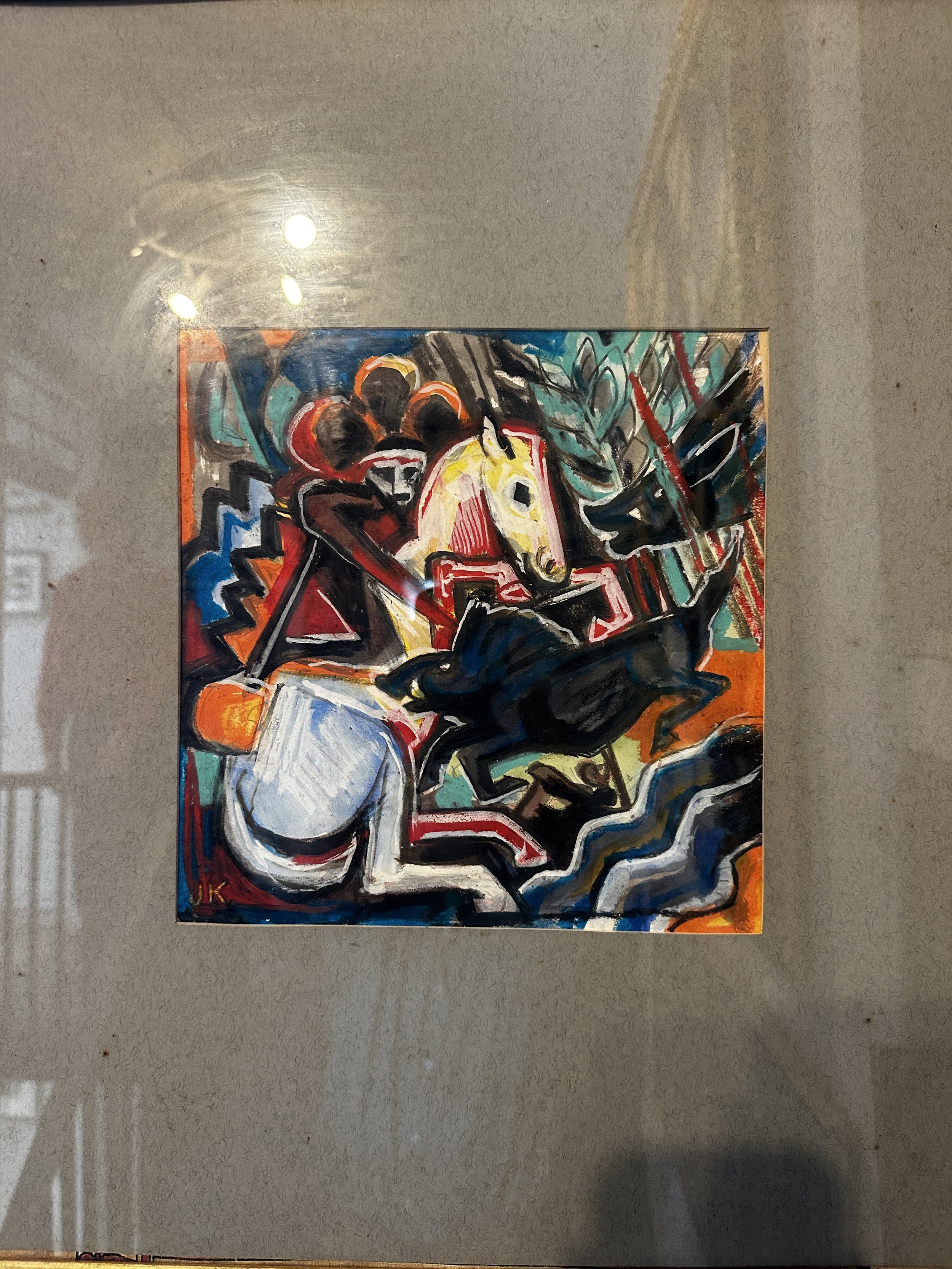
Jonathan worked alongside Kerry’s father, Robert Glen, on numerous biological expeditions throughout the 1960s and 1970s. He has remained not only a cherished family friend, but also a much-valued muse and source of inspiration whenever our conversations turn to art, Africa, natural history, or evolutionary biology. His books too are cherished from his excellent field guides to African Mammals to his monumental six-volume, ‘Mammals of Africa’. His book Island Africa is an exceptional examination of African Biogeography.
Jonathan has also spent his life thinking about the ways animals communicate with one another, starting young as a child growing up in Tanzania through to his long research association with Oxford University. Through form, colour, ornamentation, posture, and movement, animals say many different things to their own species as well as others. The stripes of a zebra, the ornamentation of a waxbill, the elaborate ears of a Grevy’s zebra, the bright skin of a mandrill, or the facial patterns among Blue Monkeys are not simply beautiful objects. They are products of evolutionary dialogue. Every contour has been shaped by millions of years of selection, communicating information about fitness, identity, reproductive status, aggression, camouflage, or species recognition.
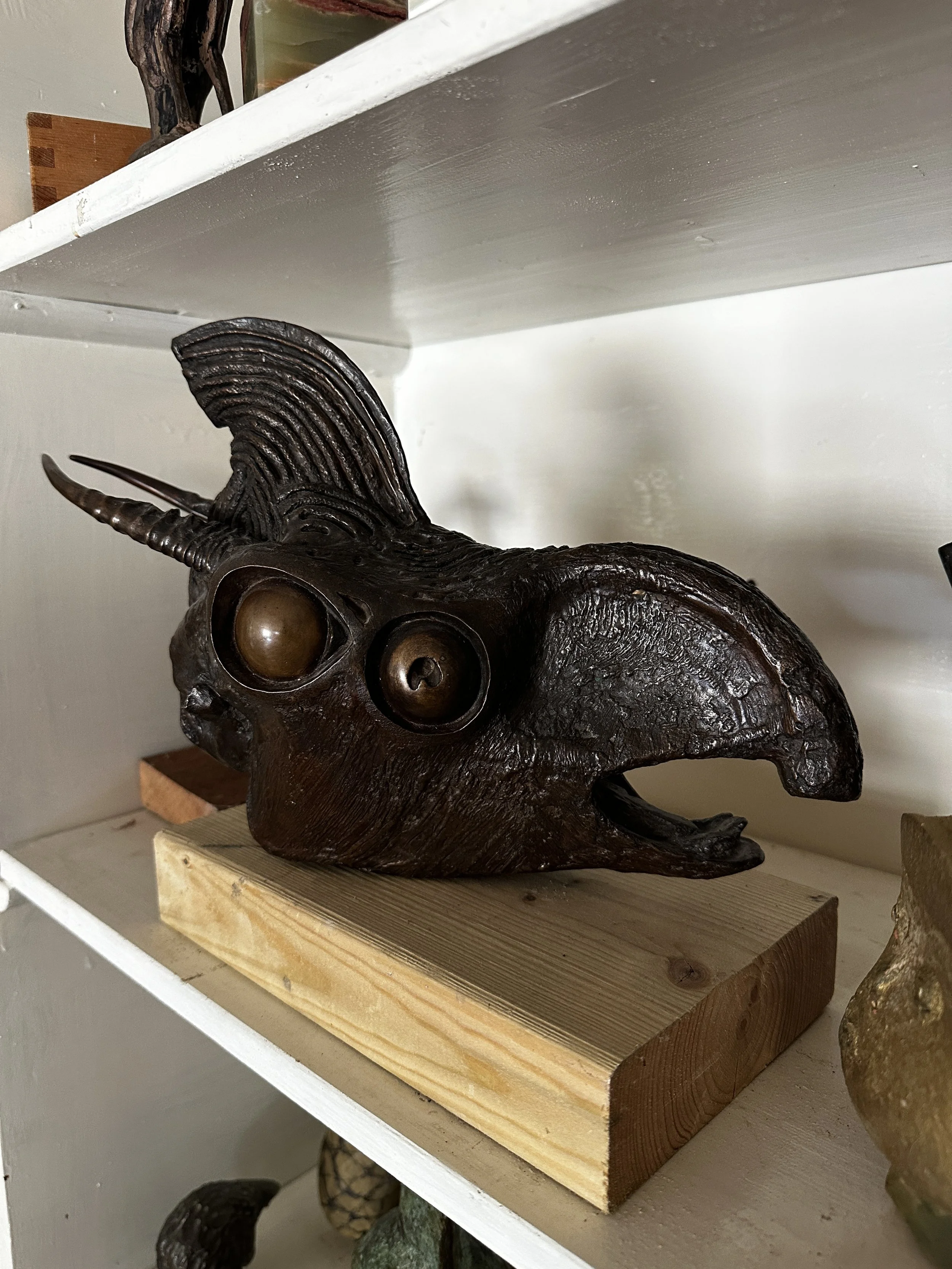
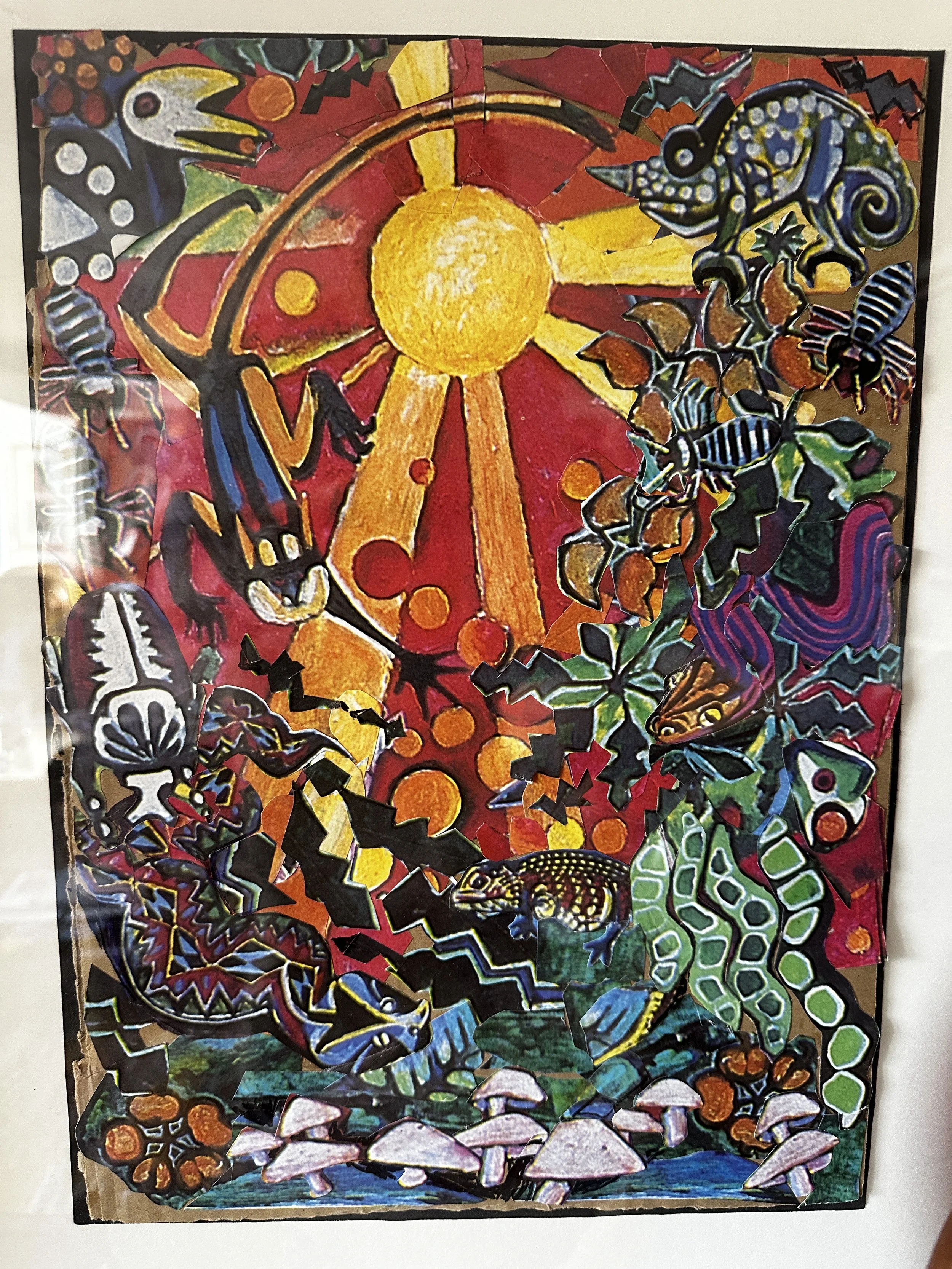
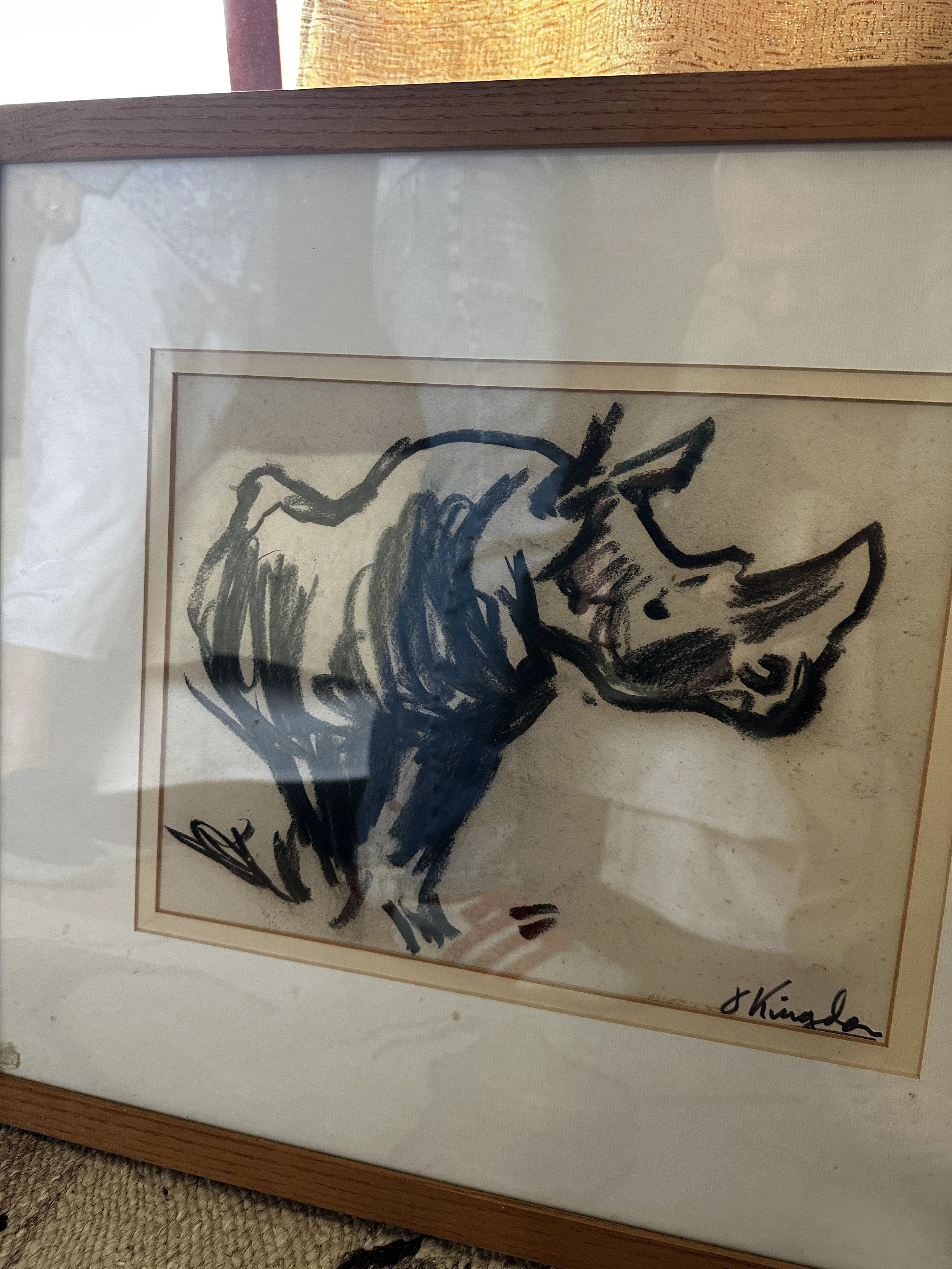
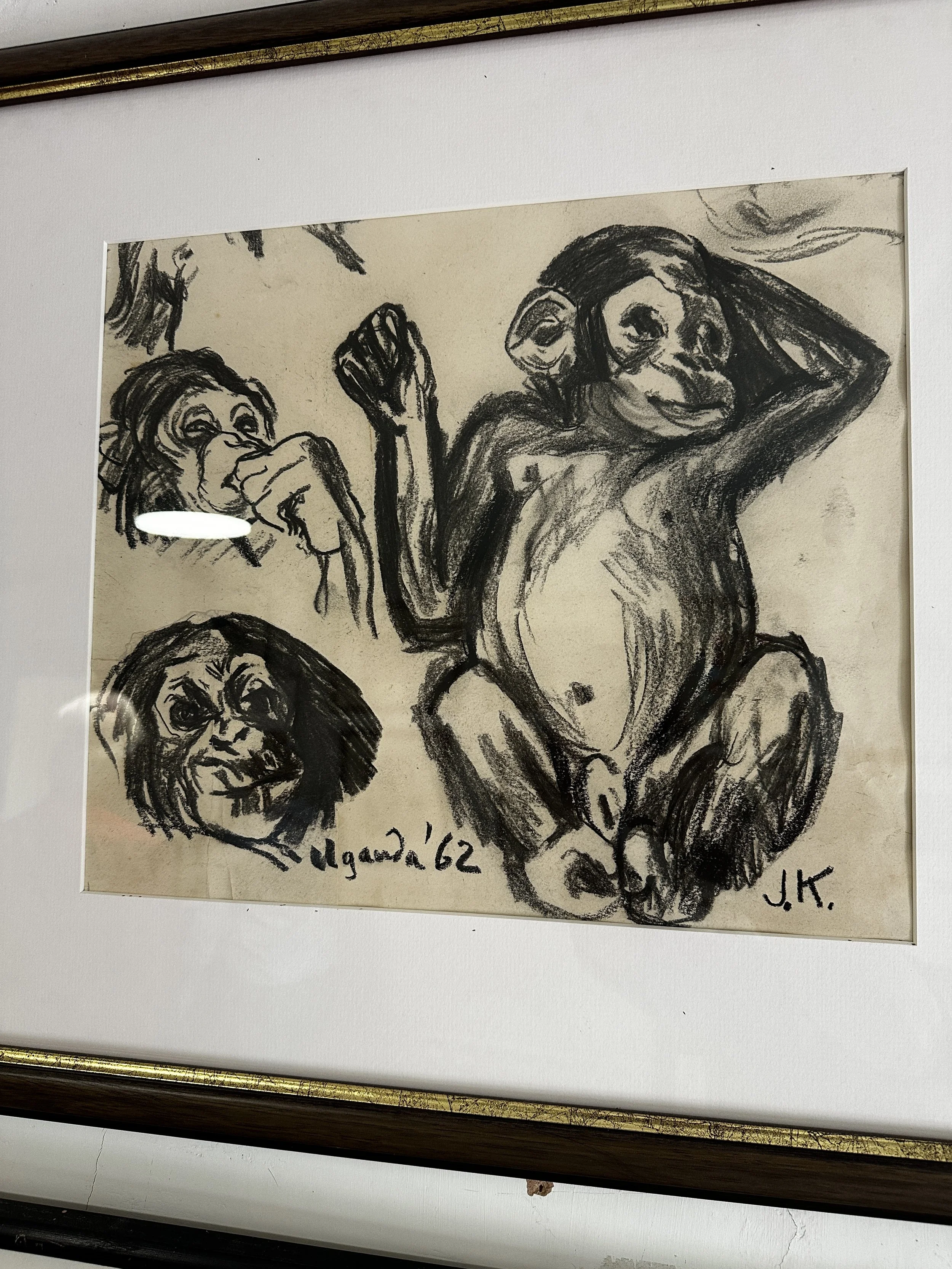
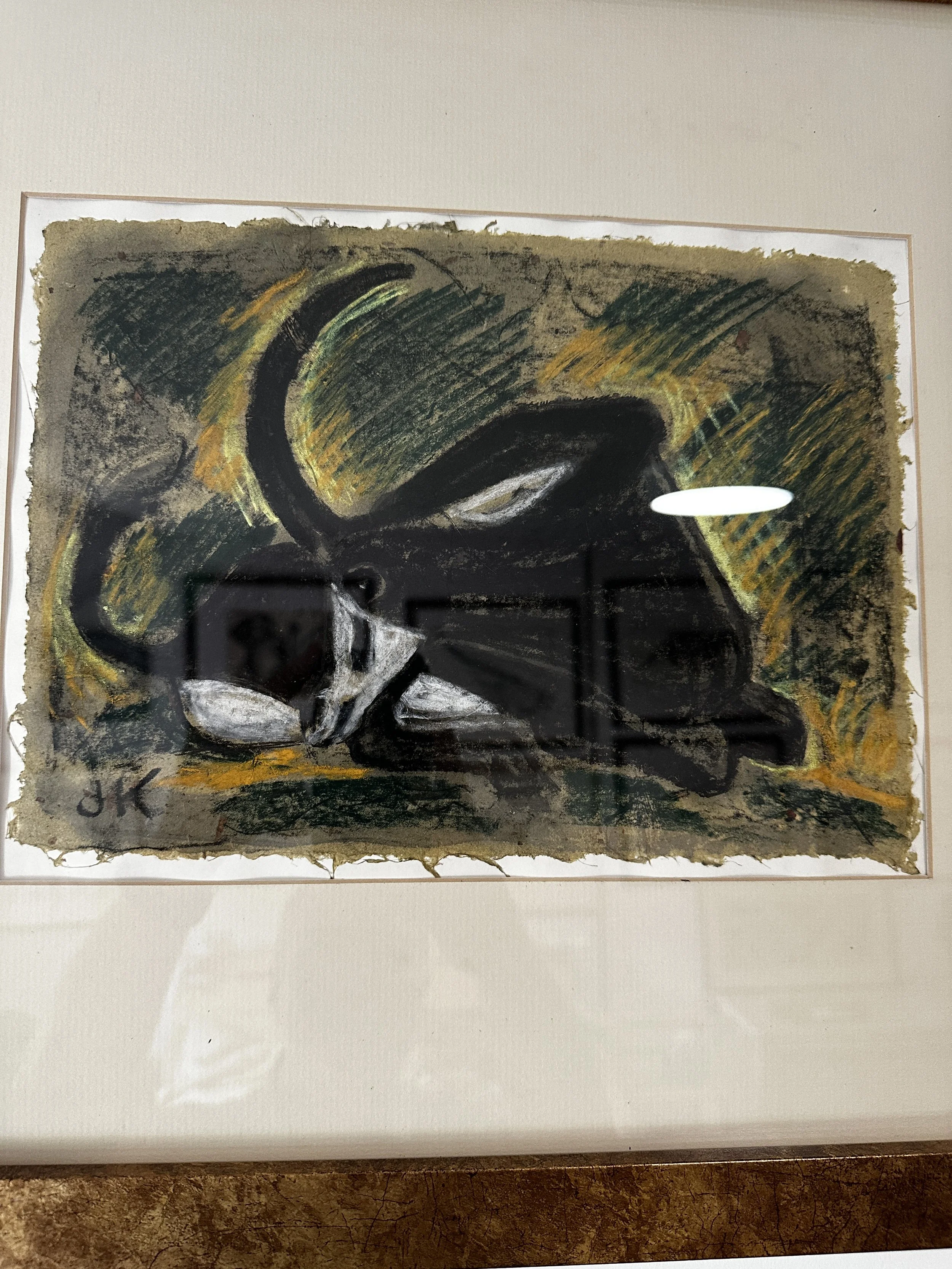
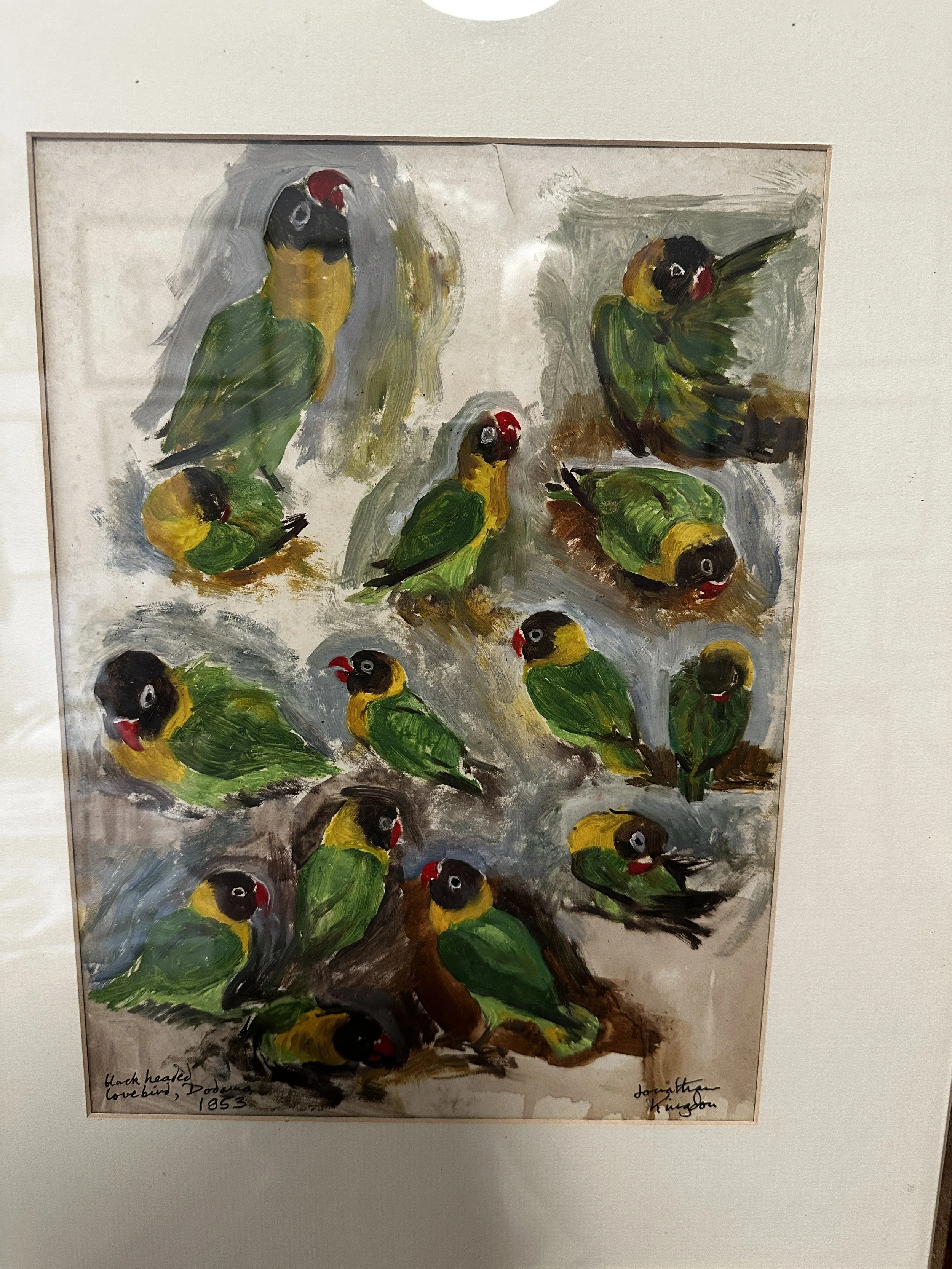
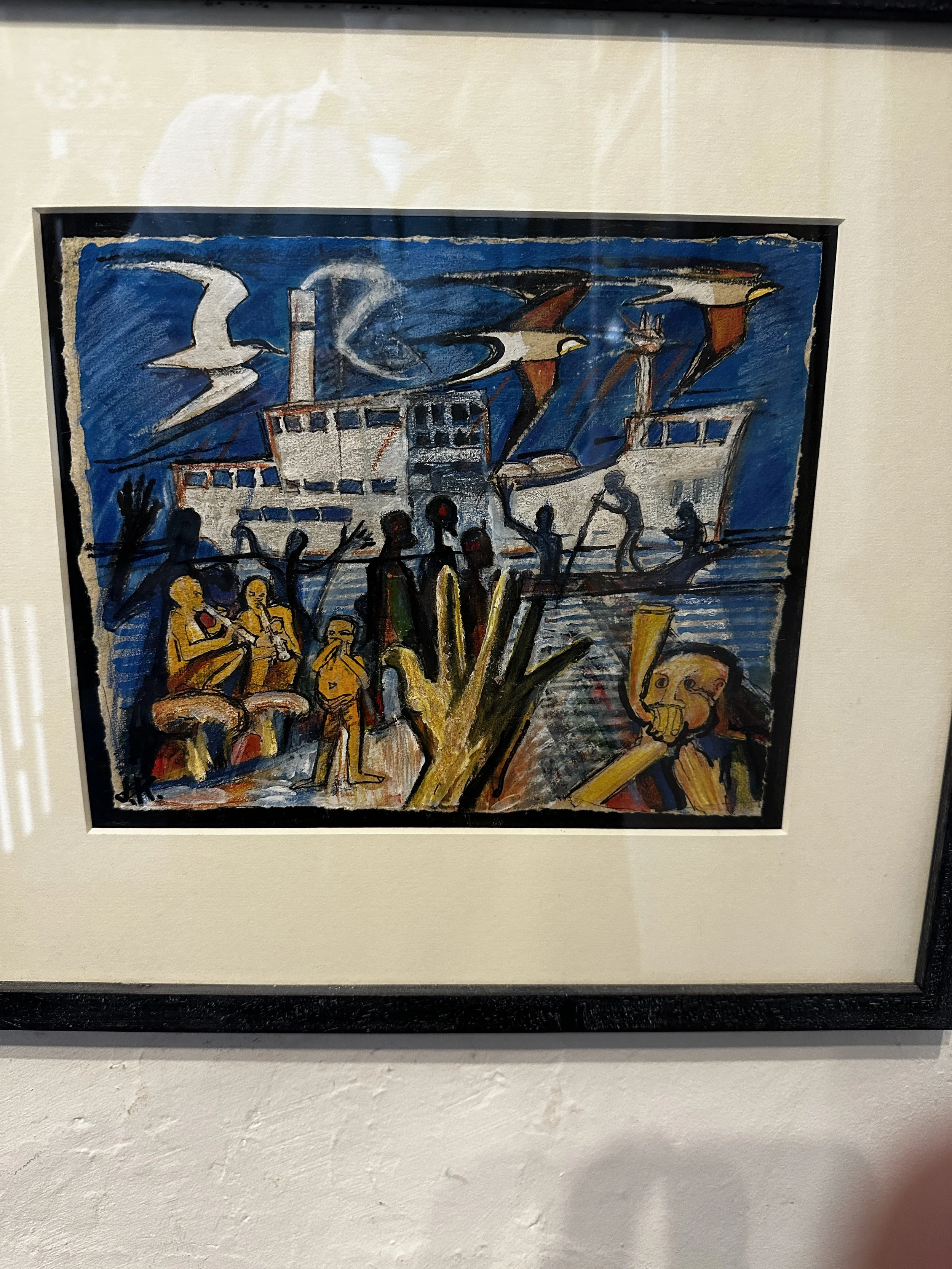
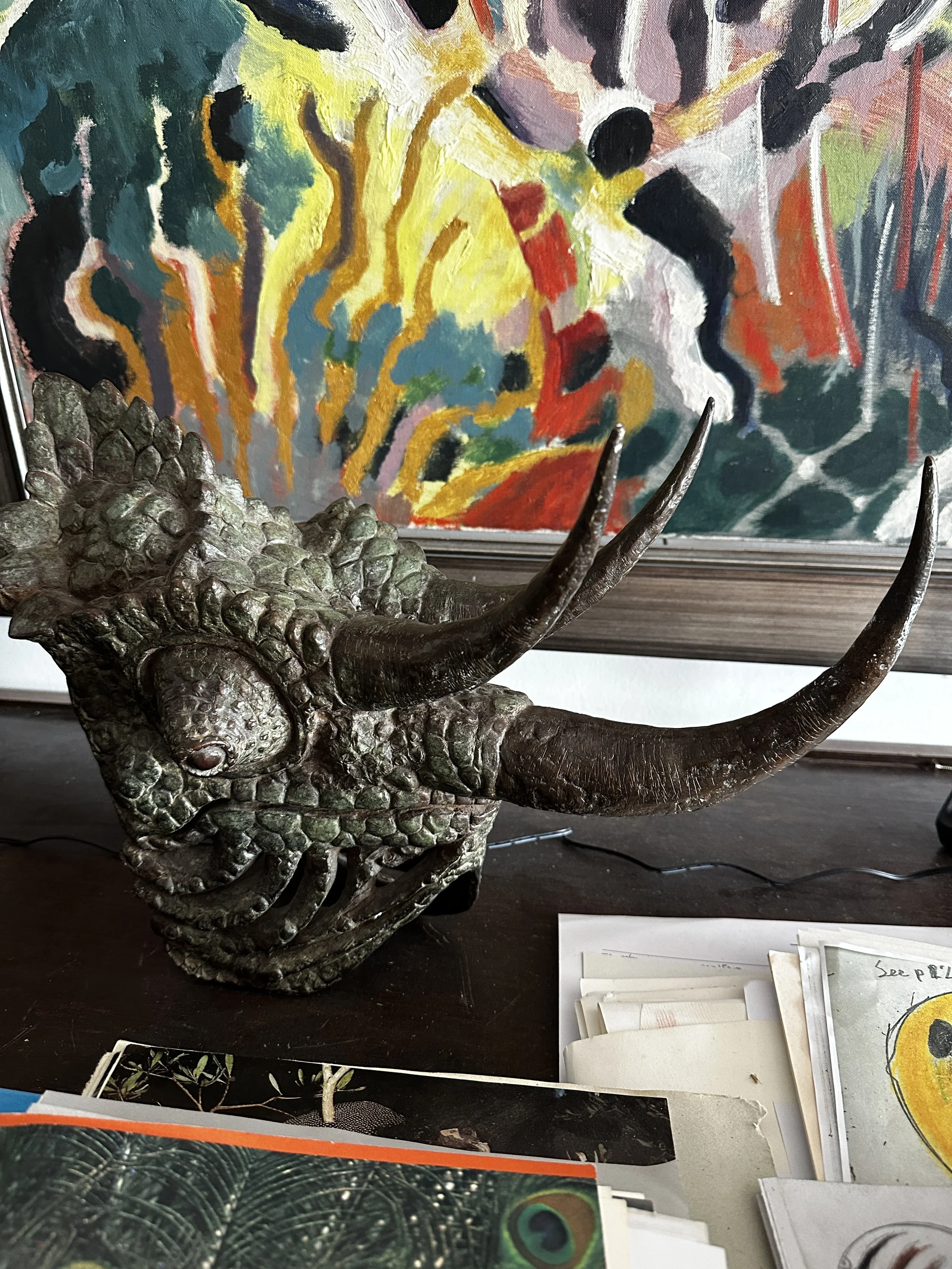
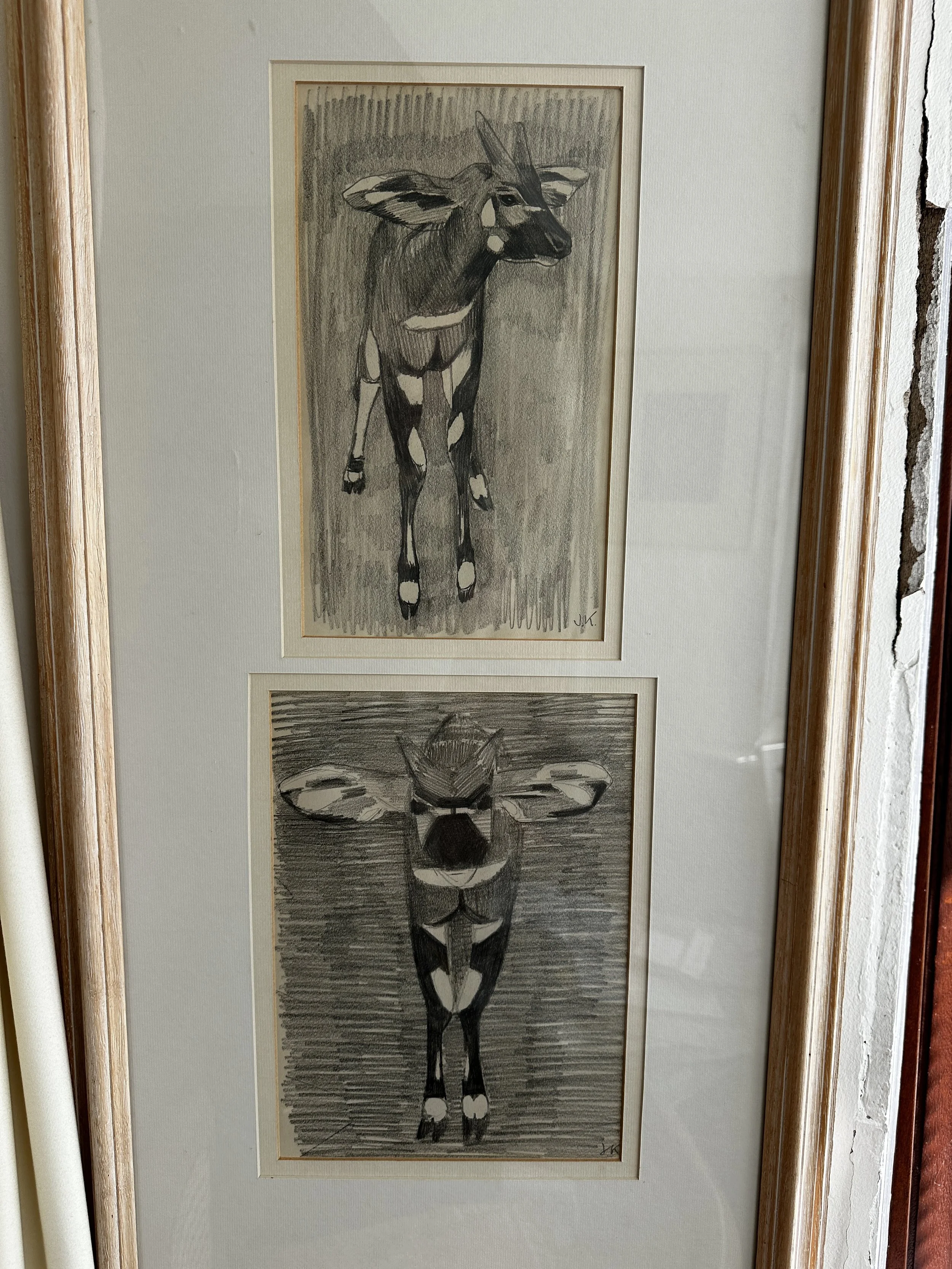
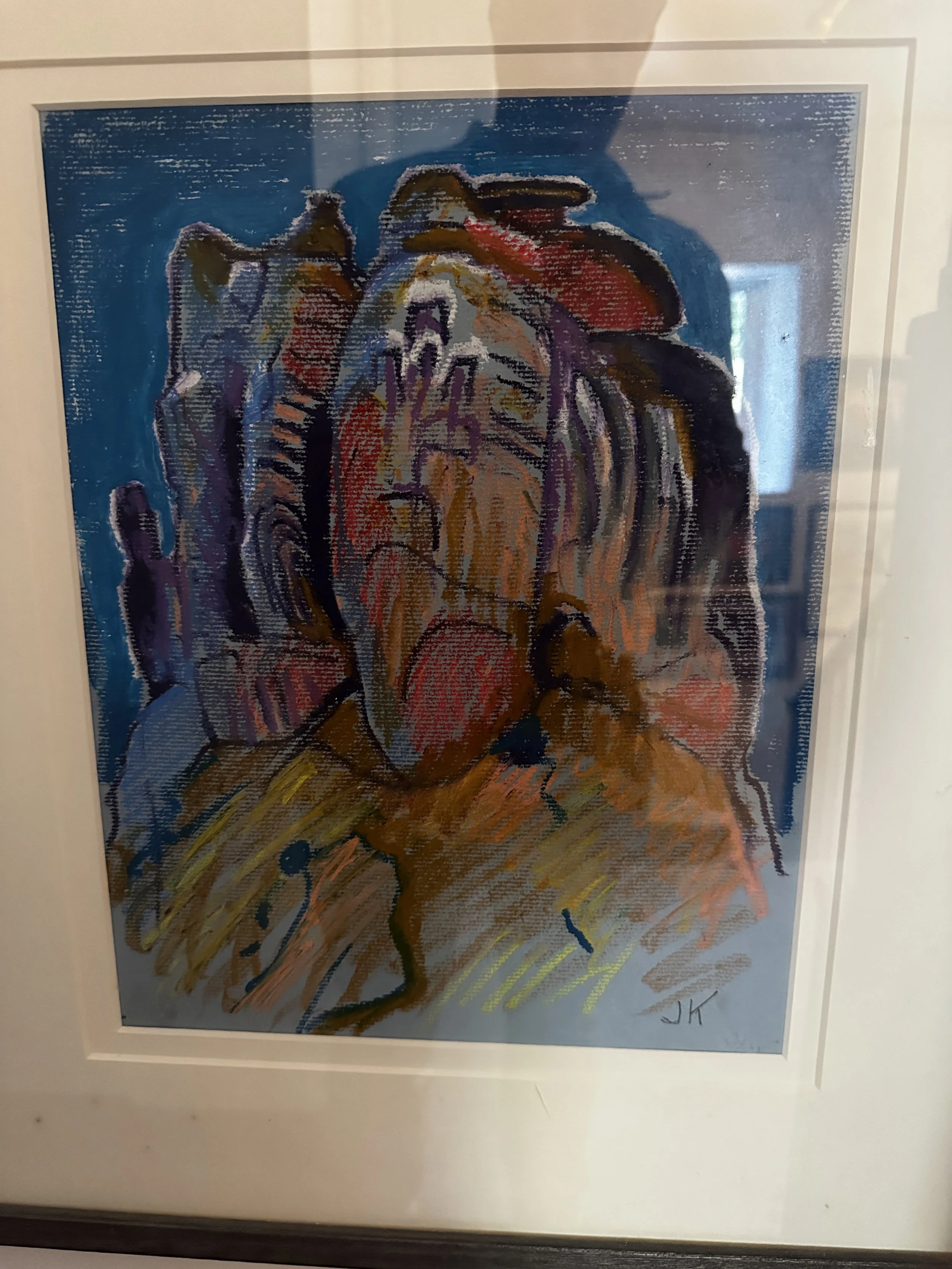
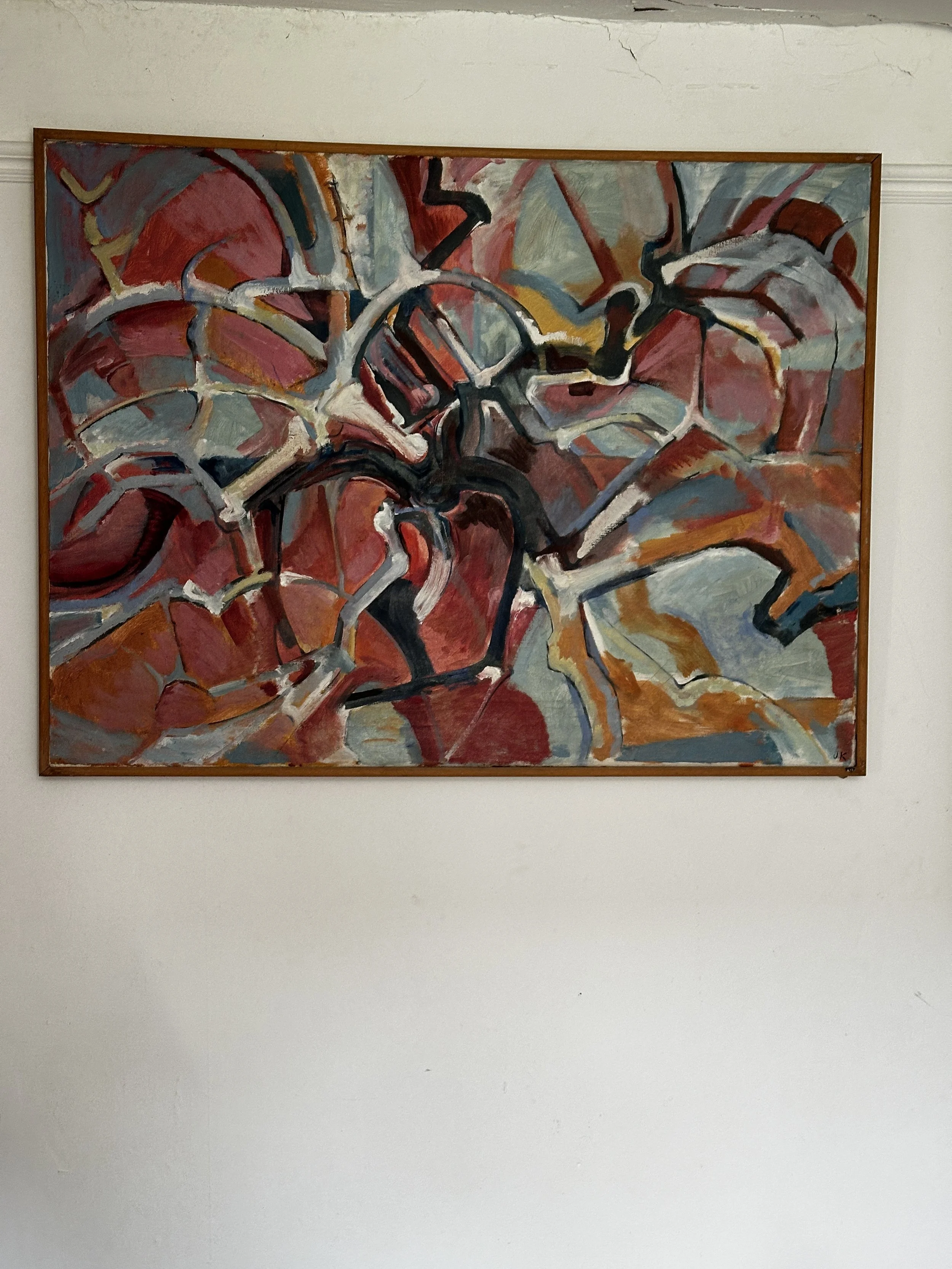
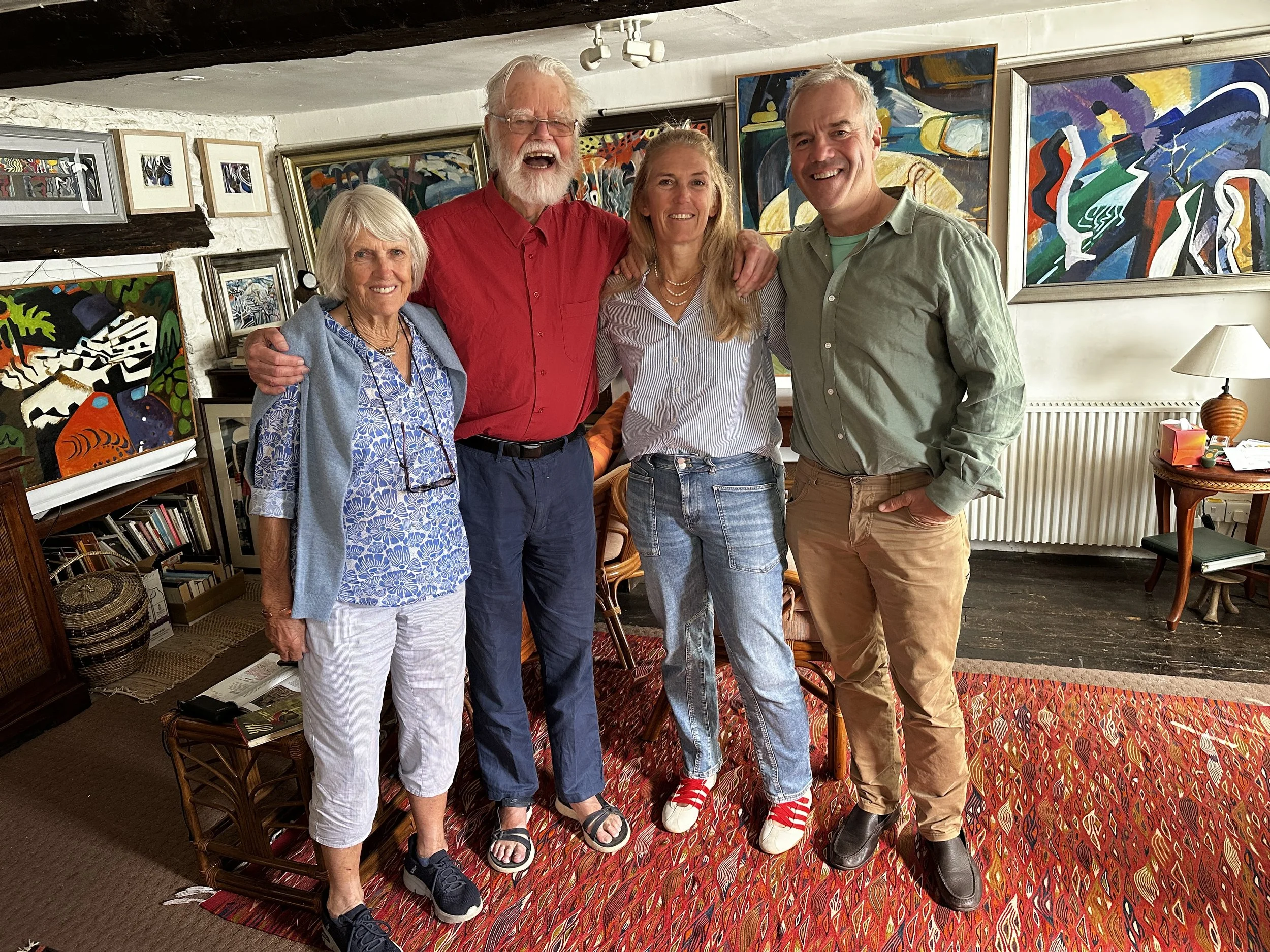
One could argue that modern academia has made figures like Kingdon increasingly rare. As knowledge has expanded, intellectual life has rewarded ever narrower specialisation. Artists become artists; scientists become scientists. Few individuals are expected—or encouraged—to master both. Yet many of history's greatest naturalists, from Leonardo da Vinci to Ernst Haeckel and John James Audubon, understood that biology and its beauty were two inseparable ways of understanding nature. Kingdon belongs to this tradition, but perhaps with an even stronger evolutionary perspective. He is not merely documenting what animals look like; he is trying to understand why they look the way they do.
Ultimately, Jonathan reminds us of something that modern intellectual culture sometimes forgets: seeing is not passive. It is an act of inquiry, and an ability to observe deeply and to perceive relationships that others miss. This is as much an artistic achievement as it is a scientific one. In Jonathan Kingdon’s work, those two traditions reunite in a single practice, making him not simply an accomplished artist who understands biology, nor merely a distinguished biologist who can paint, but one of the few contemporary naturalists for whom art and science and life remain fundamentally indivisible.