How The Kenyan Forest Service Can Dramatically Boost Their Revenue and Conservation Objectives at the same time.
Recreational UsE
Forests once valued only for timber can become vastly more valuable as engines of recreation and tourism
Kenya has long viewed its forests as places to protect from people. The philosophy has often been one of restriction: limit access, reduce risk, and keep human activity carefully controlled. The forests have traditionally beens seen exclusively as timber reserves and spaces that must be guarded from overuse, accident, encroachment or exploitation.
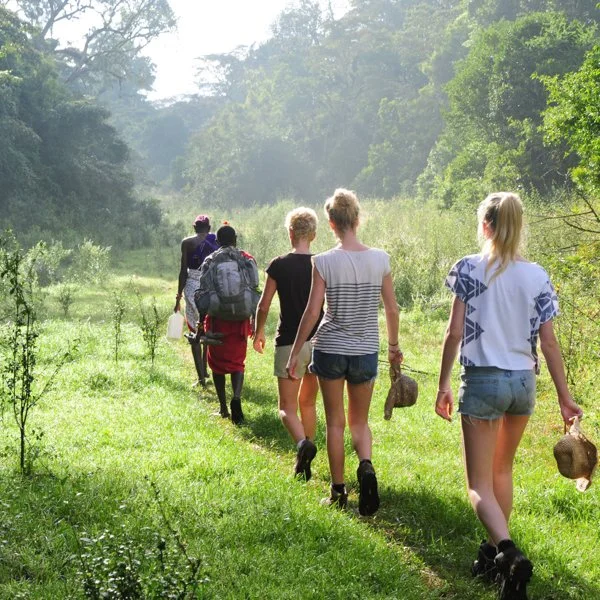
Yet around the world, some of the most successful forest conservation systems have arrived at an almost the opposite conclusion. Forests are often best protected when the public is invited into them. When citizens walk through forests, cycle in them, have roadside barbecues, fish their rivers and camp beneath their trees, they build memories and experience within them. The forests then cease to be abstract government land or someone else’s profit and instead become places the citizenry can love, defend and economically depend upon.
The United States Forest Service offers perhaps the clearest example of this philosophy in practice. Across America, national forests are managed not only for conservation and timber production, but also for recreation on a massive scale. Visitors are encouraged to hike, mountain bike, fish, kayak, horse ride, trail run, camp, hunt and explore millions of acres of public land, often entirely under their own responsibility. The system is not without risks, but Americans generally accept that outdoor recreation involves personal responsibility. Visitors are treated as capable adults able to assess risk for themselves.
The results have been extraordinary. According to the U.S. Forest Service, Nationally, outdoor recreation contributes nearly $887 billion annually to the American economy and supports roughly 7.6 million jobs. That recreation on Forest Service land contributes $13.6 Billion and supports 240,000 jobs. Outdoor recreation on National Forests in the US, in fact generate more economic activity and jobs than timber, grazing, and mineral development combined! Recreation on on National forests generates billions in economic activity for nearby communities through tourism, accommodation, guiding, food services and recreation-related spending. Hunting, fishing and wildlife watching on Forest Service lands support tens of thousands of rural jobs and inject billions of dollars into local economies each year.
What is striking is that these revenues are not confined to governments or large corporations. Small towns thrive because of nearby forests. Bike shops, cafes, guesthouses, campgrounds, outfitters and guiding businesses emerge around public lands that attract visitors year-round. In many cases, forests once valued mainly only for timber have become vastly more valuable as engines of recreation and tourism.
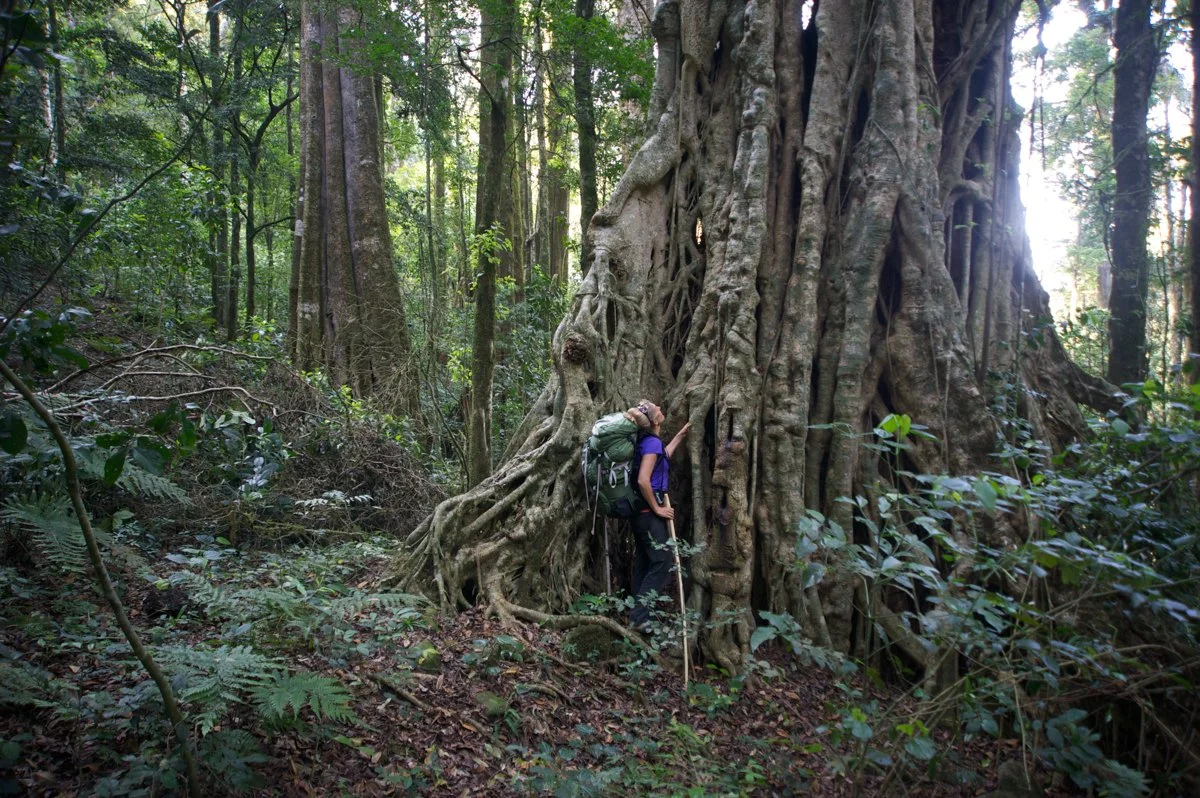
Multiple Use Recreation
“A US Forest Service analysis found that recreation on national forests contributed about 13.6 billion USD to U.S. GDP and 205,000 jobs, compared with 2.7 billion USD and 42,000 jobs from forest products”
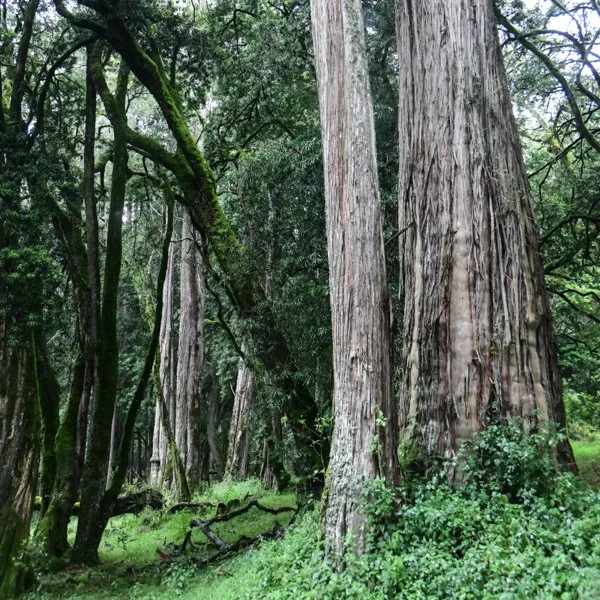
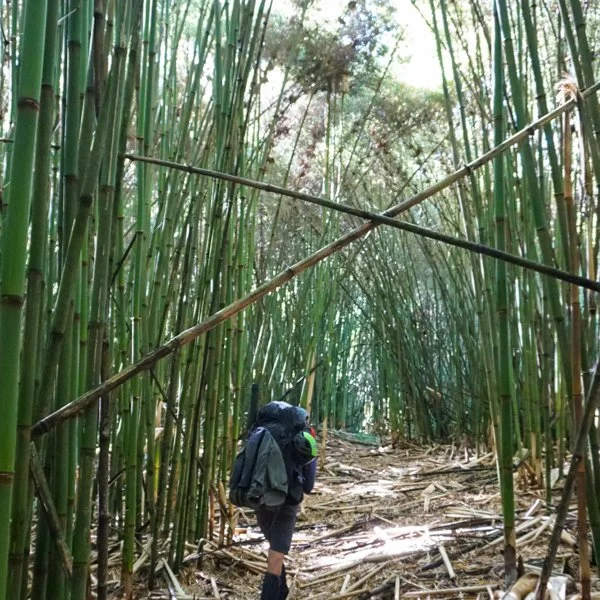
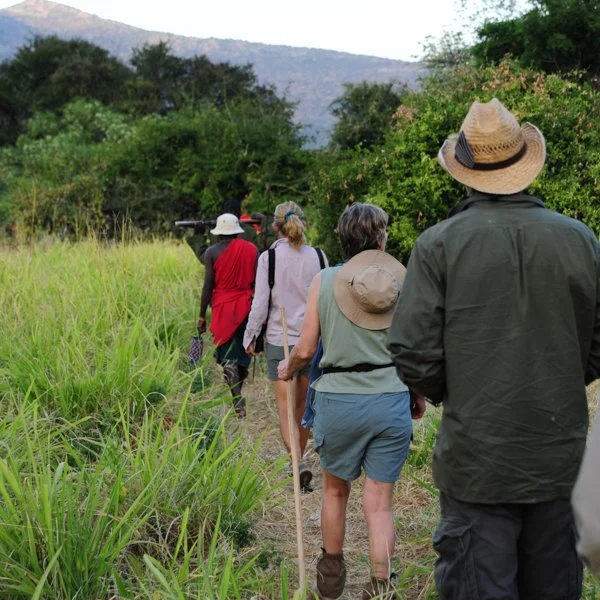
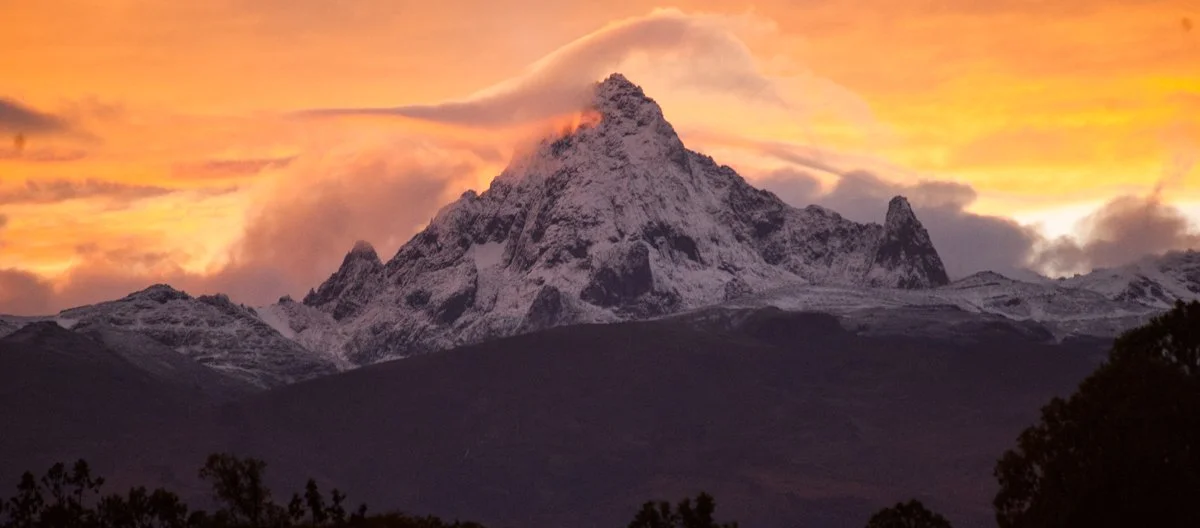
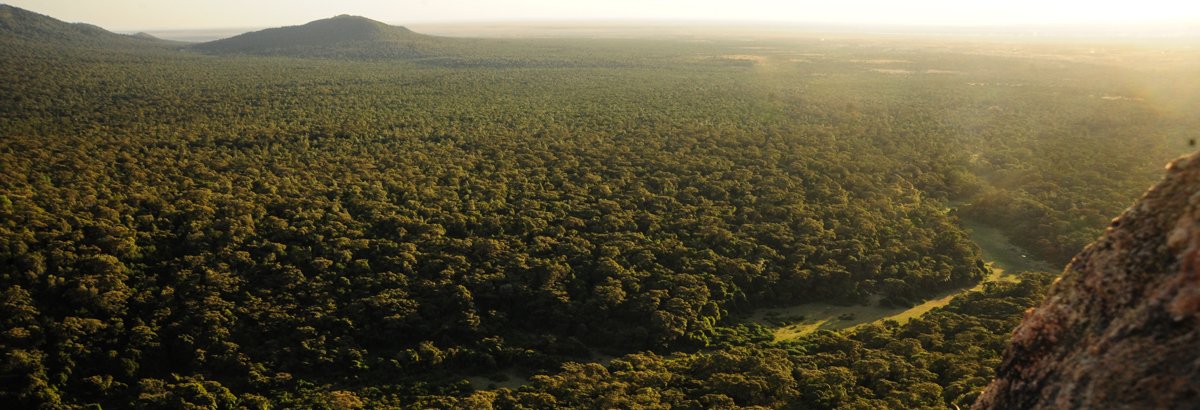
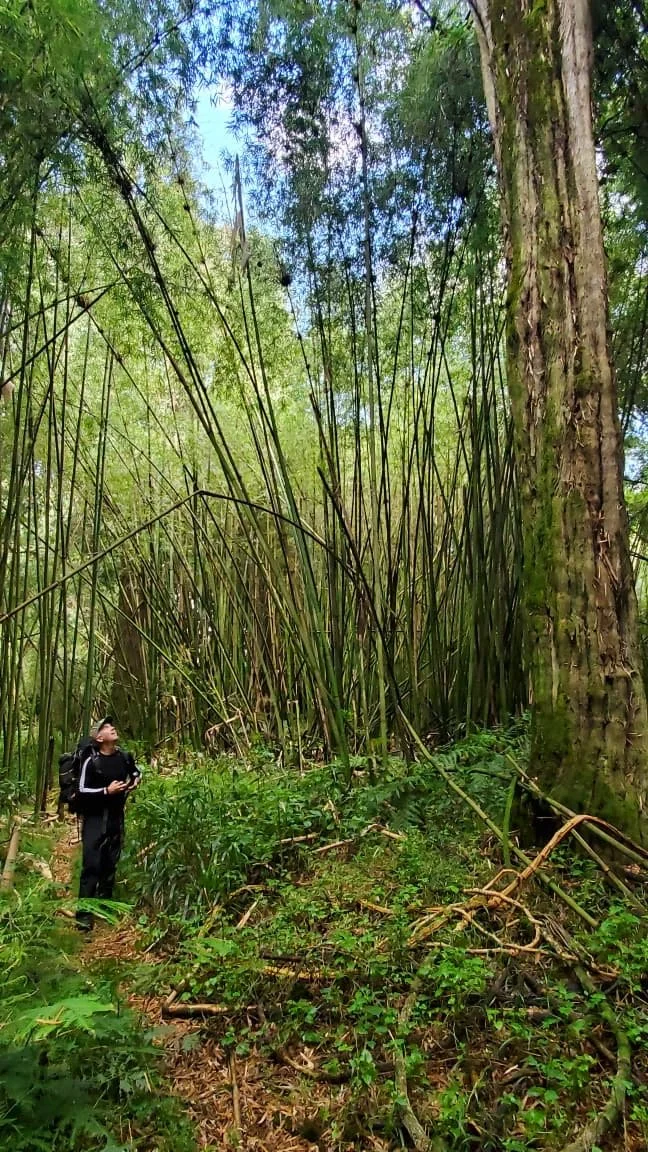
Kenya possesses every natural advantage required to create a similar model, yet has barely begun to explore the opportunity. The slopes of Mount Kenya, the bamboo forests of the Aberdares, the rainforests of Kakamega, the Mukogodo forest of Laikipia, Sokoke on the coast and the escarpments of the Mau all possess immense recreational potential. Yet many remain under-visited, difficult to access or institutionally treated as places where recreation should occur only cautiously and under supervision. There is often a lingering fear within official systems that allowing people greater freedom in forests will inevitably lead to accidents, wildlife encounters or legal complications.
But this risk-averse approach is limiting the country’s potential.
One of the greatest strengths of the American public lands model is that it creates millions of people who feel emotionally connected to those landscapes. A mountain biker riding trails every weekend becomes invested in forest health. A birdwatcher notices illegal logging. A hiker becomes politically vocal when a forest is threatened. Recreation turns the public into active custodians rather than passive observers.
Kenya has already seen evidence of this dynamic in places like Karura Forest near Nairobi. Once heavily threatened by land grabbing and degradation, Karura has transformed into one of the city’s great public spaces. Thousands of Nairobi residents now walk, run, cycle and picnic there every week. The forest generates significant revenue through entry fees, concessions and events, but perhaps more importantly, it has gained a constituency of ordinary citizens who care deeply about its future. Karura is no longer merely protected by rangers or conservation organisations. It is protected by public affection.
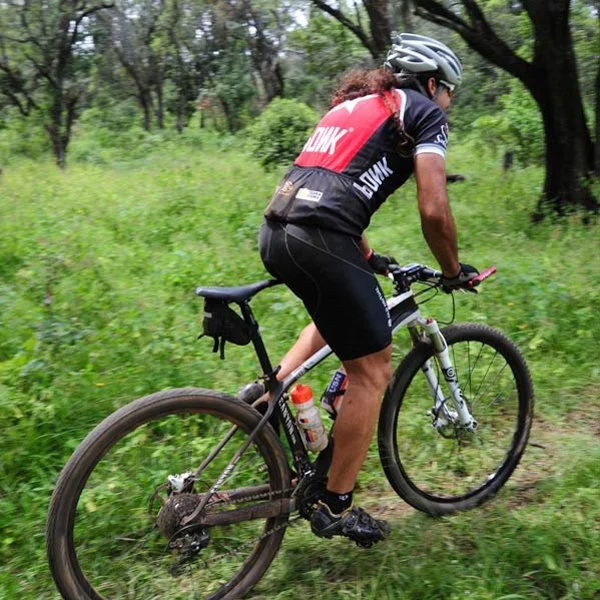
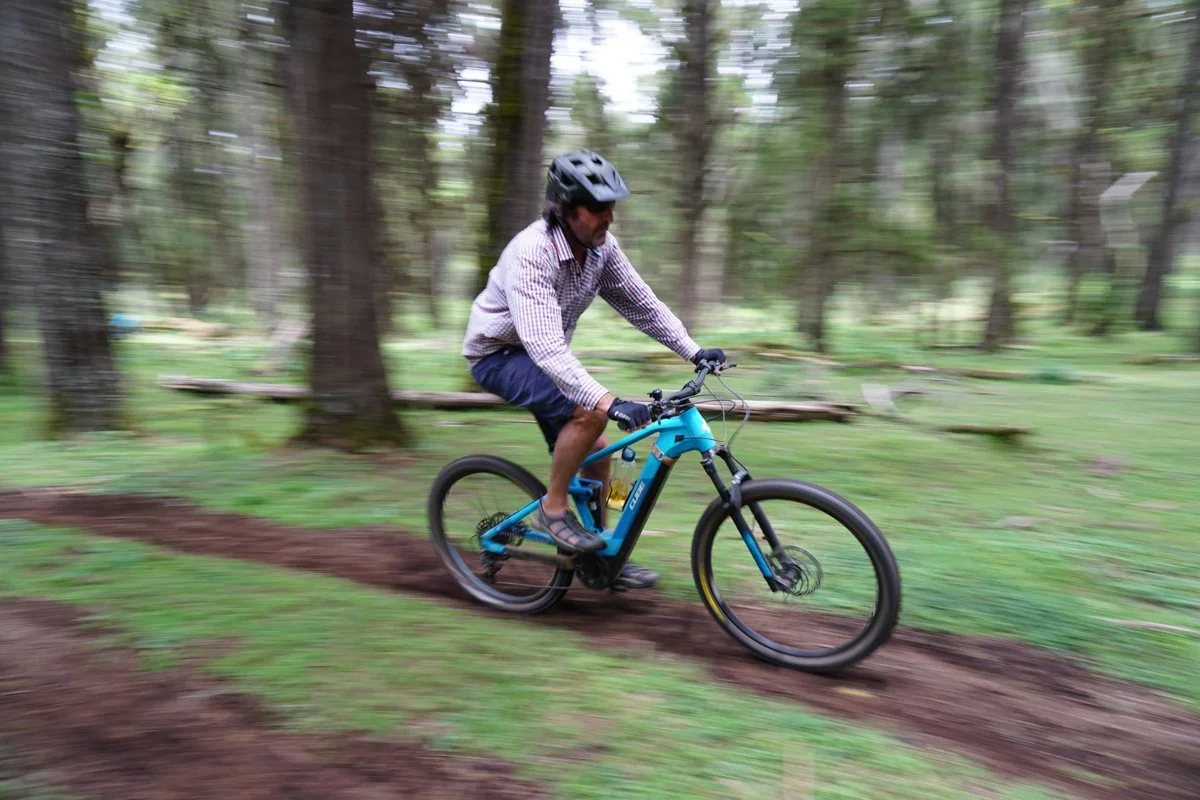
This principle could be expanded dramatically across Kenya. Few opportunities illustrate this better than mountain biking. Around the world, forest-based trail systems have transformed rural economies. In the United States, places such as Crested Butte in Colorado, Oakridge, Oregon, Pisgah in North Carolina and countless others, have become globally recognised biking destinations largely through investment in public trail networks on forest land. Additionally, small conservation areas and little-visited forests that once saw only occasional visitation now attract constant traffic because of well-designed trail systems.
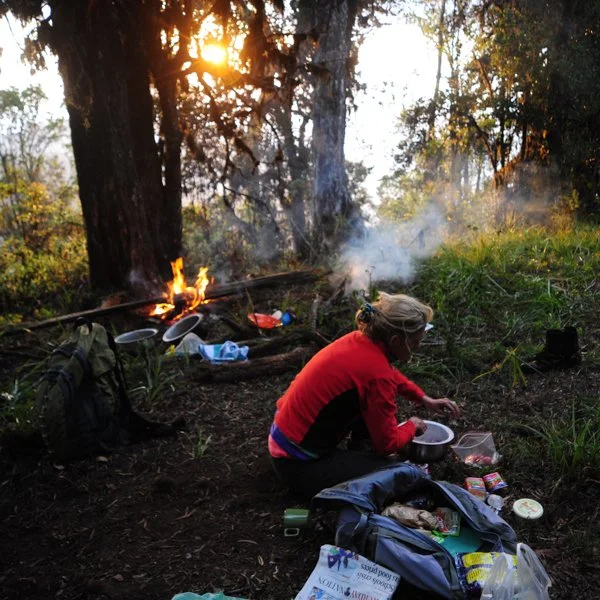
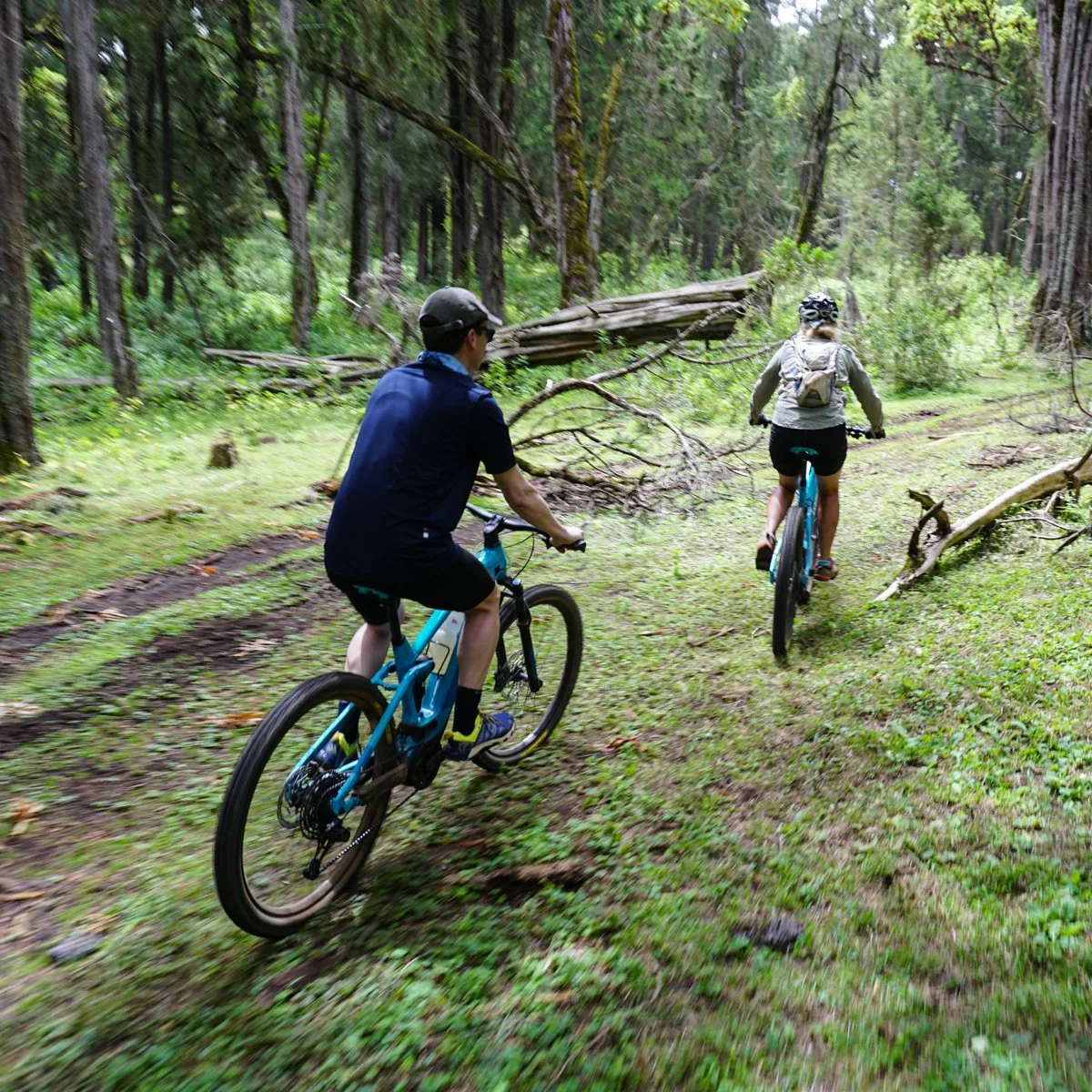
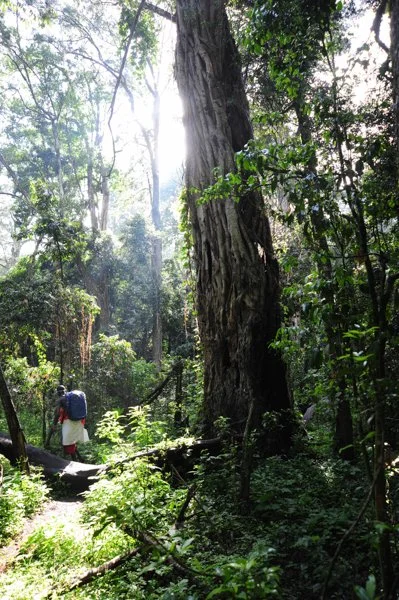
Mountain biking in particular offers an interesting opportunity because modern trail design technology is still relatively new in Kenya. Unlike hiking trails, which often move directly from one point to another, mountain bike trails tend to wheel, loop and contour across landscapes, creating far greater trail mileage within relatively compact areas. A relatively small forest can therefore sustain an extensive recreational network capable of attracting repeat visitors for years. Building and maintaining these trails also creates a specialised new form of employment: trail builders, bike guides, mechanics, shuttle operators and outdoor instructors. One can easily imagine safari camps and lodges around Laikipia or Mount Kenya integrating professionally built bike trails into their guest experience and hiring the specialist builders to design and implement them.
Nanyuki and the forests surrounding Mount Kenya could achieve something similar. The terrain is ideal: cool climate, varied elevation, extraordinary scenery and extensive forest roads already in existence. With careful planning and relatively modest investment, the Kenya Forest Service could develop professionally designed trail systems for mountain biking, day hiking, horseback riding, off road 4x4 driving and trail running that would attract domestic and international visitors beyond those simply climbing the peaks. Weekend recreation alone from Nairobi residents could create a substantial economy for Nanyuki and other mountain adjacent towns, while international cycling tourism — already booming globally — could establish Mount Kenya as one of Africa’s premier outdoor destinations.
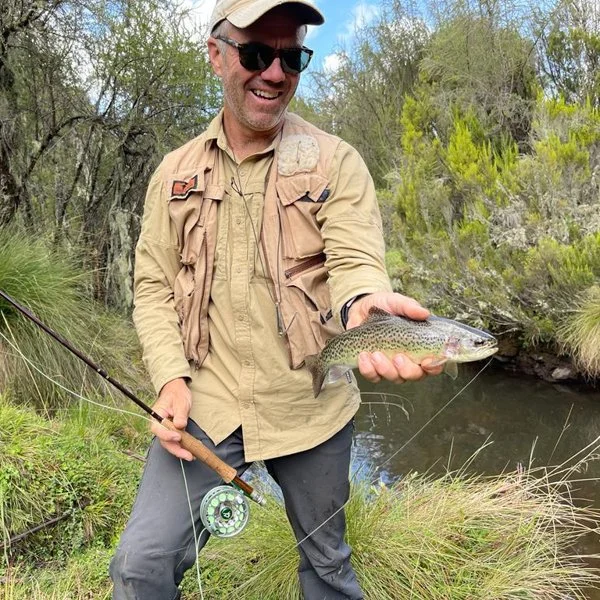
The same principle applies to rivers and fishing access. Ragati Conservancy on the slopes of Mount Kenya has already demonstrated the appeal of well-managed flyfishing on Forest Service lands. Kenya’s mountain rivers are extraordinarily beautiful, yet much of their recreational potential remains underdeveloped. Improved fishing access, simple licensing systems and better trail infrastructure along rivers could encourage far more people to spend time within forest landscapes while simultaneously helping fund patrols, river protection and habitat management. Such projects could employ neighbouring communities directly as guides, river stewards, patrol teams and hospitality staff, creating tangible local incentives for healthy forests and clean waterways.
Importantly, this form of tourism is not restricted to wealthy international safari guests. Recreation-based tourism is broad and democratic. Kenyan families, schools, university groups, amateur cyclists, backpackers and middle-income travellers can all participate. That matters enormously in building a long-term conservation culture. A country whose citizens regularly use and enjoy its forests is far more likely to defend them politically and environmentally.
However, if Kenya wishes to encourage this kind of recreation economy, access must become simpler and more welcoming than it currently is.
One area where the Kenya Wildlife Service deserves considerable praise is its modernisation of park payments through digital platforms and online booking systems. Visitors can now pay park fees quickly through eCitizen and mobile payment systems, dramatically reducing friction for both domestic and international tourists. The process is not perfect, but it has shown that we are entirely capable of embracing user-friendly systems.
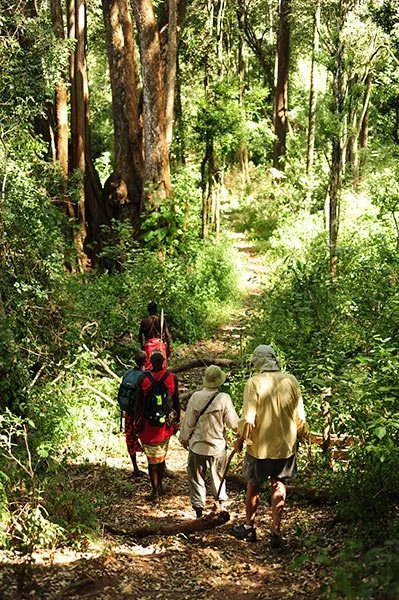
The Kenya Forest Service could benefit enormously from adopting a similarly streamlined approach.
At present, the KFS pricing structure feels fragmented and unnecessarily complicated for casual recreation users. Different rates for citizens, residents and non-residents are understandable, but fees could be simplified substantially, eliminating unnecessary complications and region-specific variations. A family wishing simply to hike or cycle in a forest should feel invited to do so rather than uncertain about permits, activities or payment categories. Let the money flow in!
In many successful recreational forest systems around the world, simplicity is part of the success. Visitors understand immediately what access costs and how to obtain it. Good maps, clear signage, parking areas, downloadable trail information and simple online payment systems are not luxuries; they are the infrastructure that makes recreation function.
These changes may sound administrative, but they matter enormously. Outdoor recreation often depends on spontaneity. People decide on Friday evening to go hiking on Saturday morning. The easier and more intuitive the process, the more people participate.
And with participation comes revenue.
The economic implications could be profound. Even a modest expansion of recreational access to forests could generate billions of shillings in additional economic activity over time. Camping fees, trail permits, bike rentals, guiding, accommodation, transport, restaurants and events would all create employment opportunities. Unlike extractive industries, these economies depend upon forests remaining healthy and attractive. A degraded forest loses recreational value quickly; a protected forest gains value year after year.
Perhaps most importantly, multi-use diversifies the identity of forests themselves. They cease being viewed only as timber reserves or protected watersheds and instead become living public assets that contribute directly to national wellbeing, tourism and employment.
Kenya already markets itself to the world through its wildlife, yet most tourism remains concentrated in relatively few areas and experiences. Meanwhile, global and national demand for outdoor recreation — hiking, cycling, birdwatching, trail running and nature-based travel — continues to grow rapidly. Kenya is uniquely positioned to benefit from this trend. Few countries combine such dramatic scenery, biodiversity, climate and accessibility within such short distances.
What is required now is not merely infrastructure, but a simple shift in philosophy. The Kenya Forest Service has an opportunity to see the public not as a threat to forests or a liability, but rather as partners, clients and allies in conservation. Allowing people greater freedom to explore forests responsibly does not weaken conservation, it strengthens it.