Selous Tigerfishing Report - Nyerere National Park
Selous Fishing Report
Camp Maji Mapya
One of the greatest things about fly fishing is the places it takes you. Safari also carries you to wonderful places, but sometimes fly fishing can take you to the even more obscure corners of Africa or anywhere. This works particularly well because not only do we all enjoy discovering a hidden gem, but fly fishing can also help spread conservation to parts of the continent where it might not yet have taken hold.
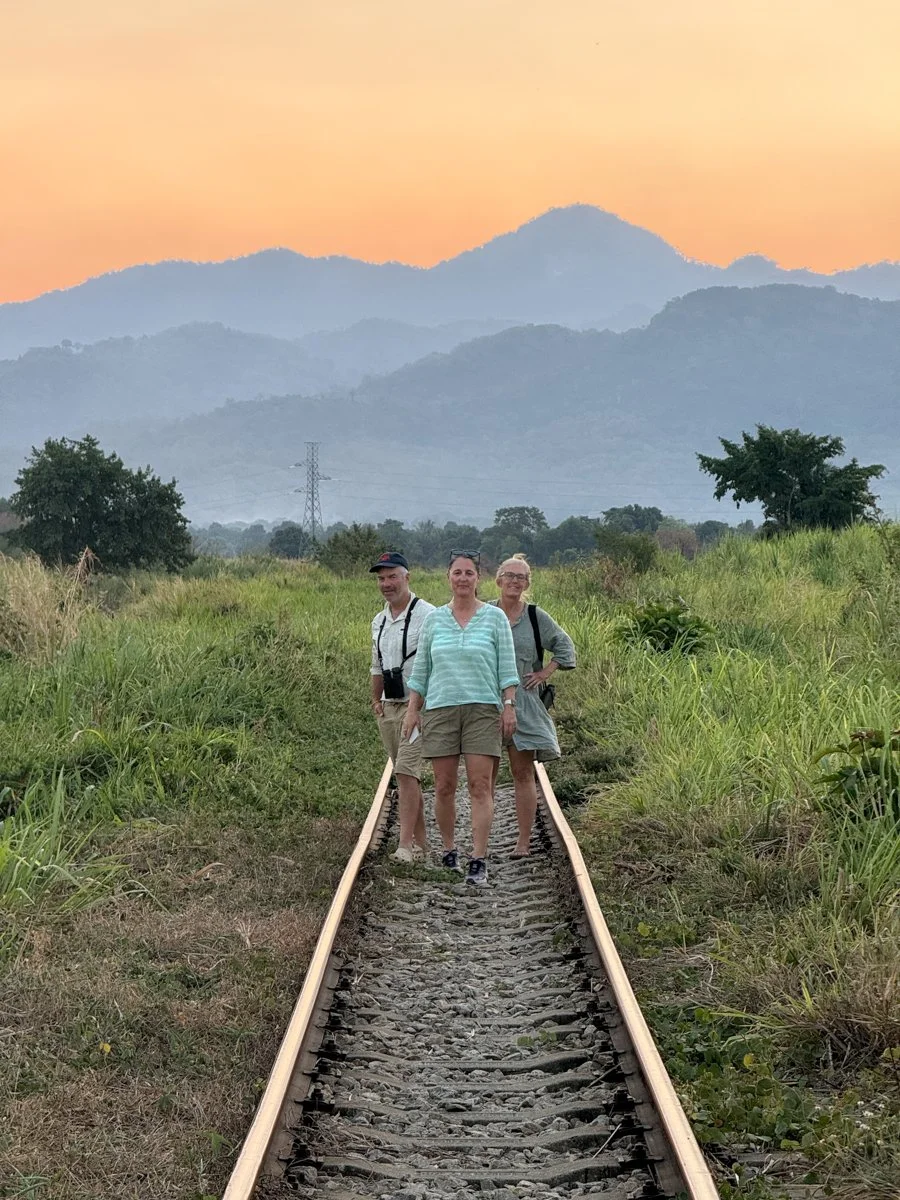
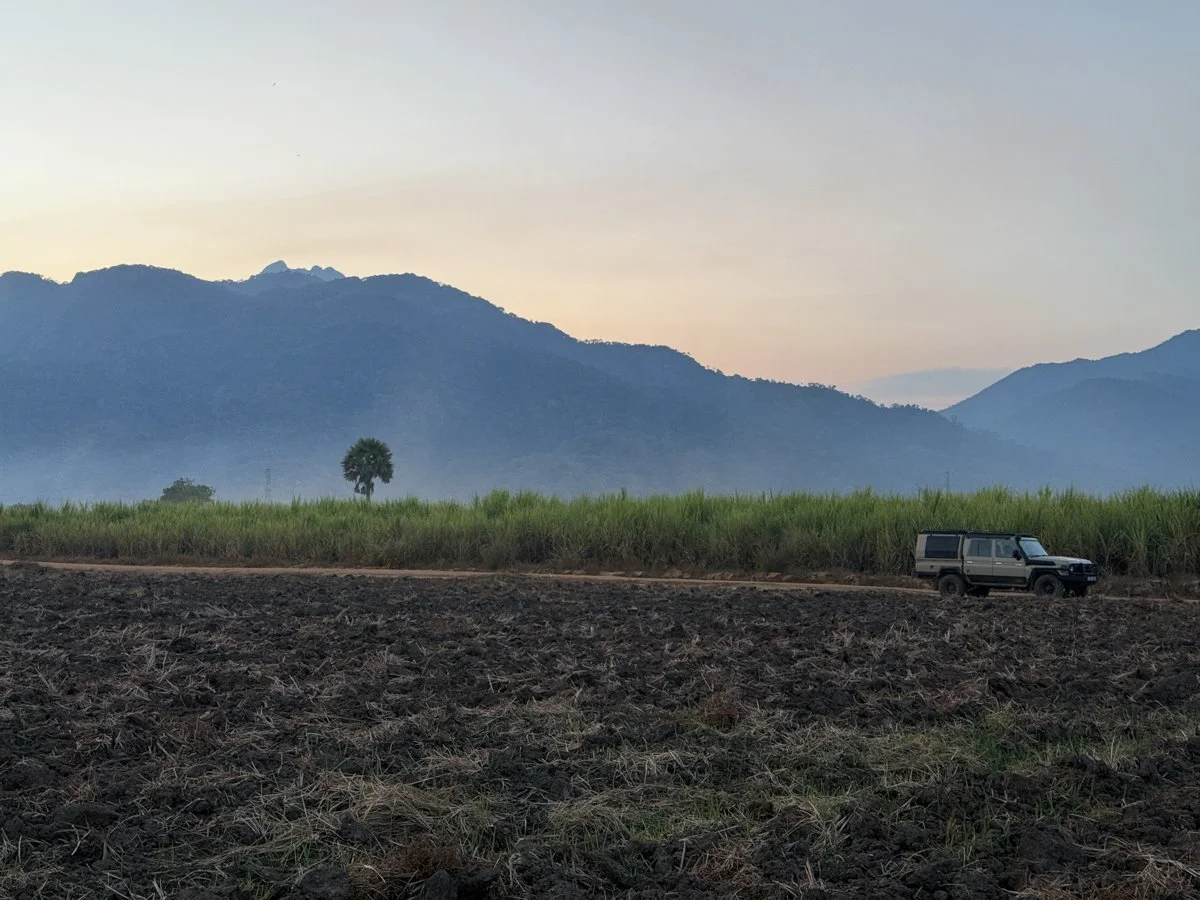
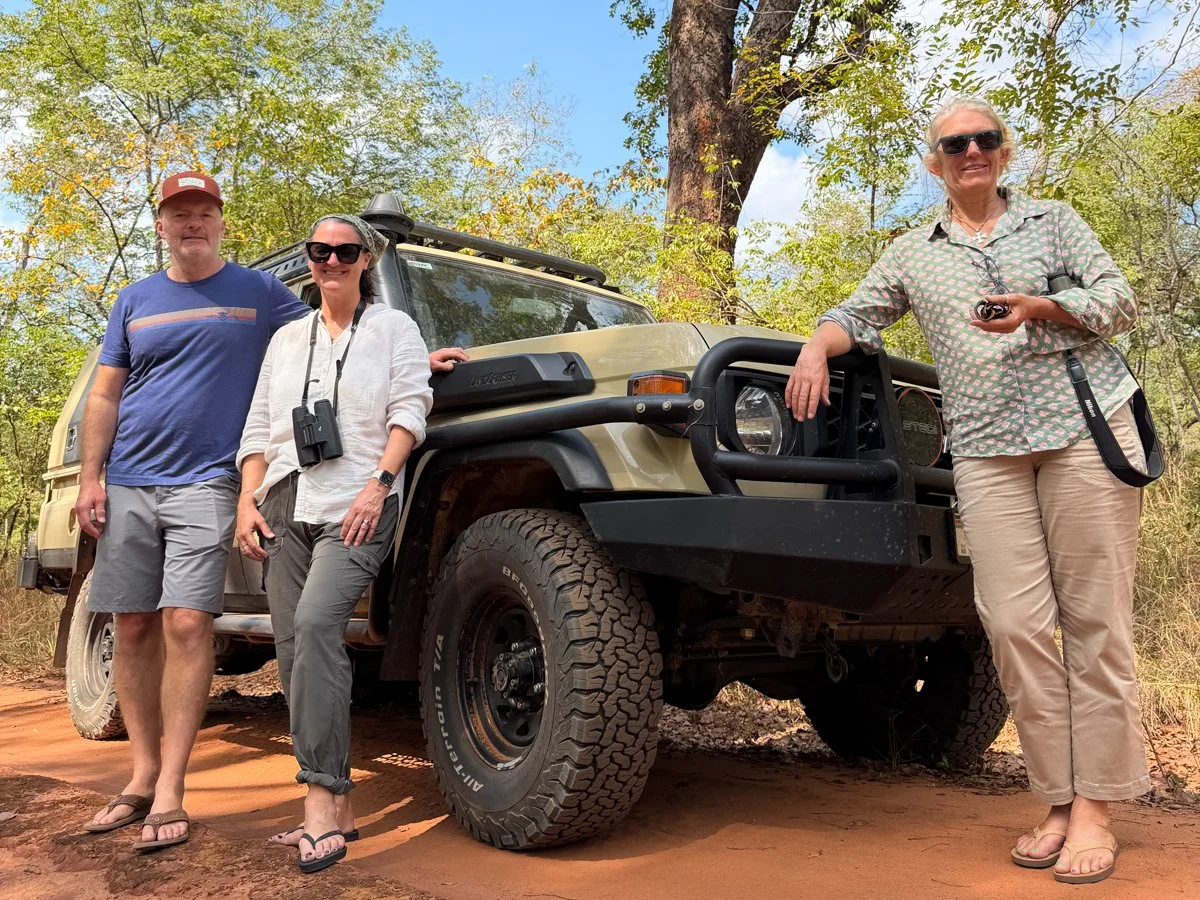
We left Nairobi for our Tanzanian tigerfishing trip in mid-October, driving south over several days and staying in beautiful farmhouses, as well as in places overlooking the stunning Arc Mountains. The first thing you realise about the Selous is its sheer enormity. On the drive in, I couldn't help imagining what it would be like to cross it on foot. Where might you find water? How long would it take to reach your next camp? Would the tsetse flies eat you alive?
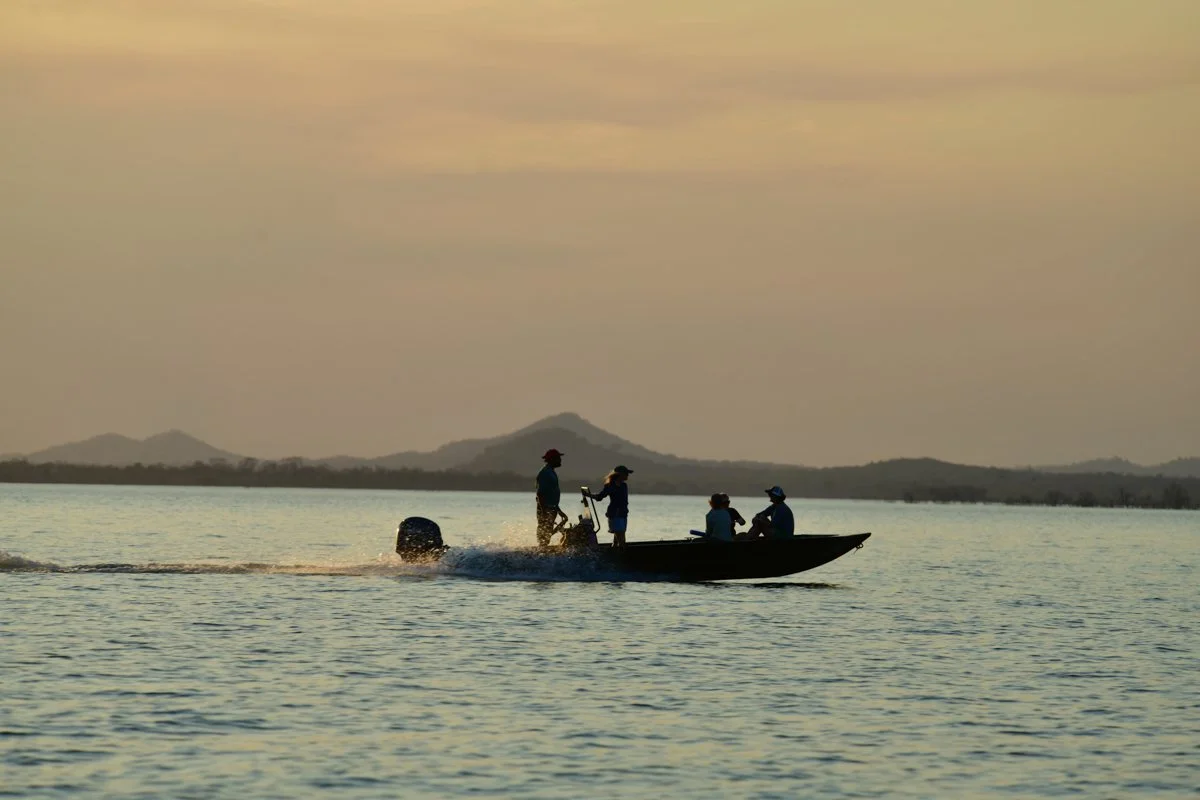
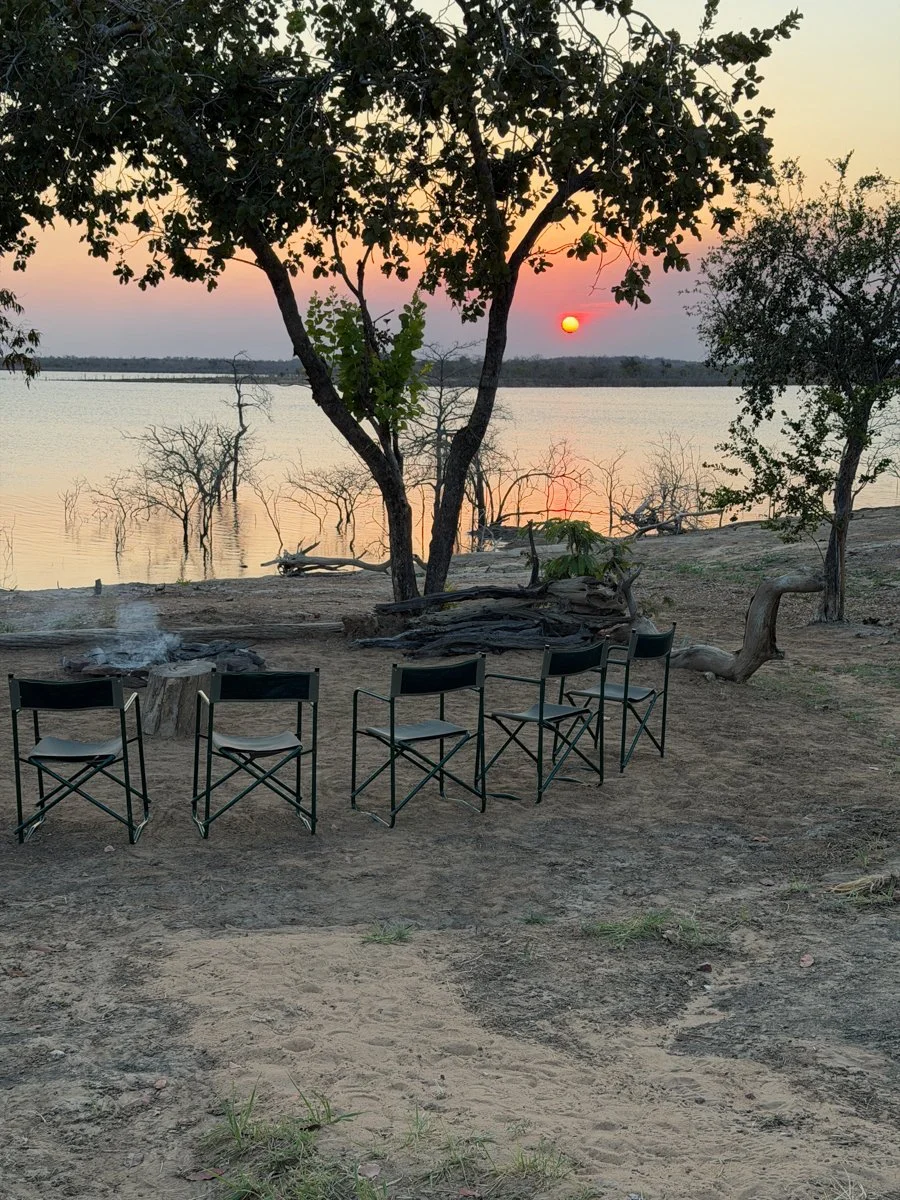
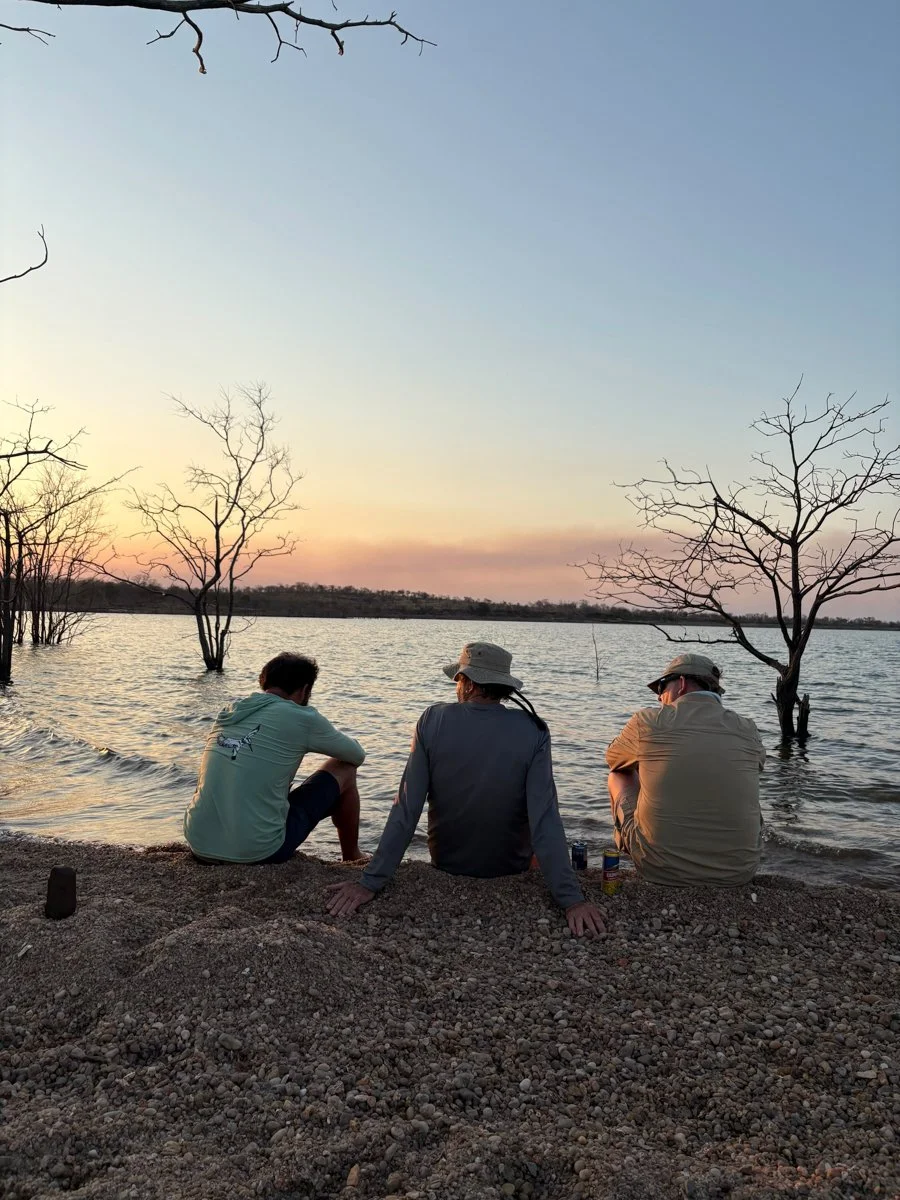
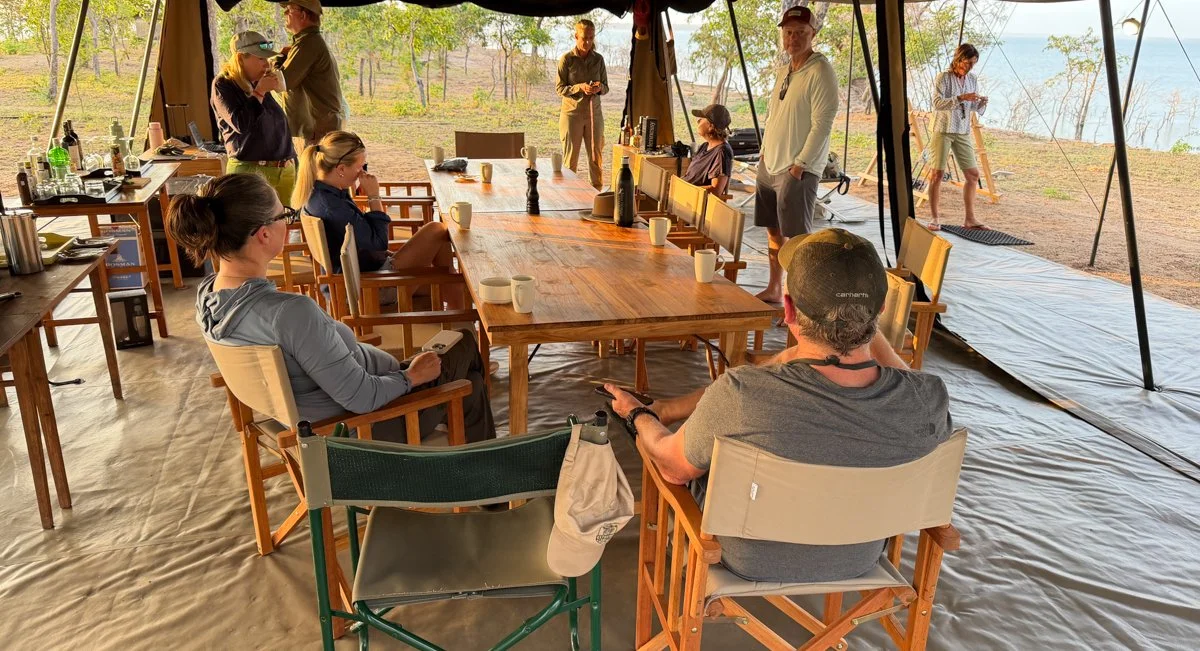
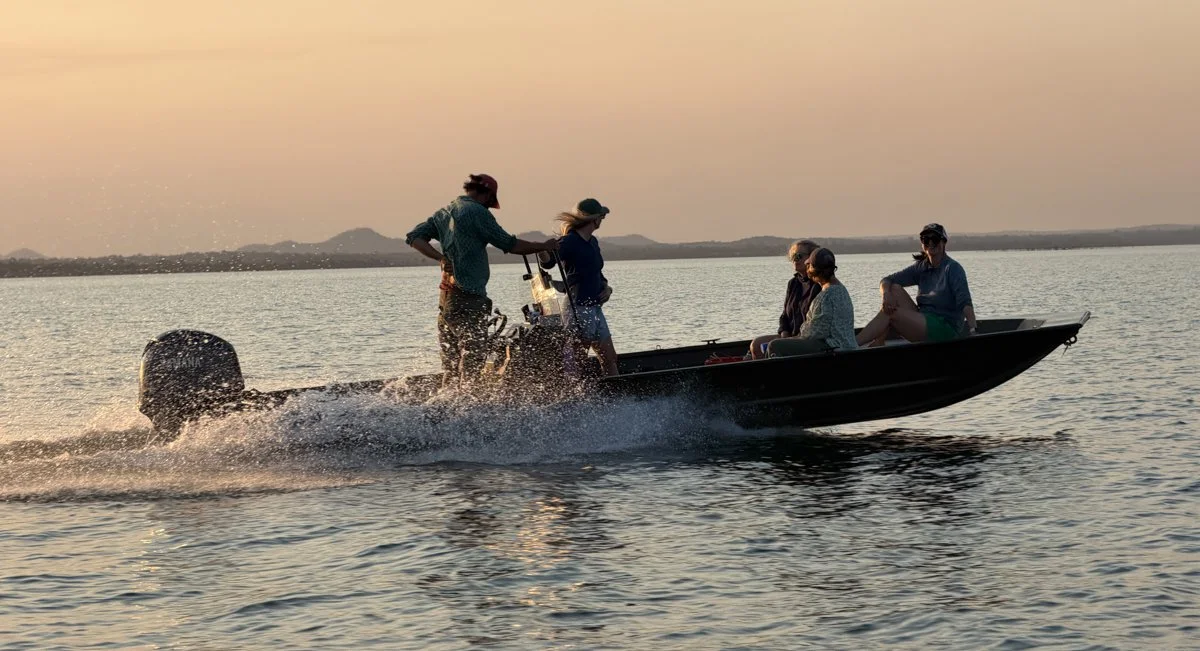
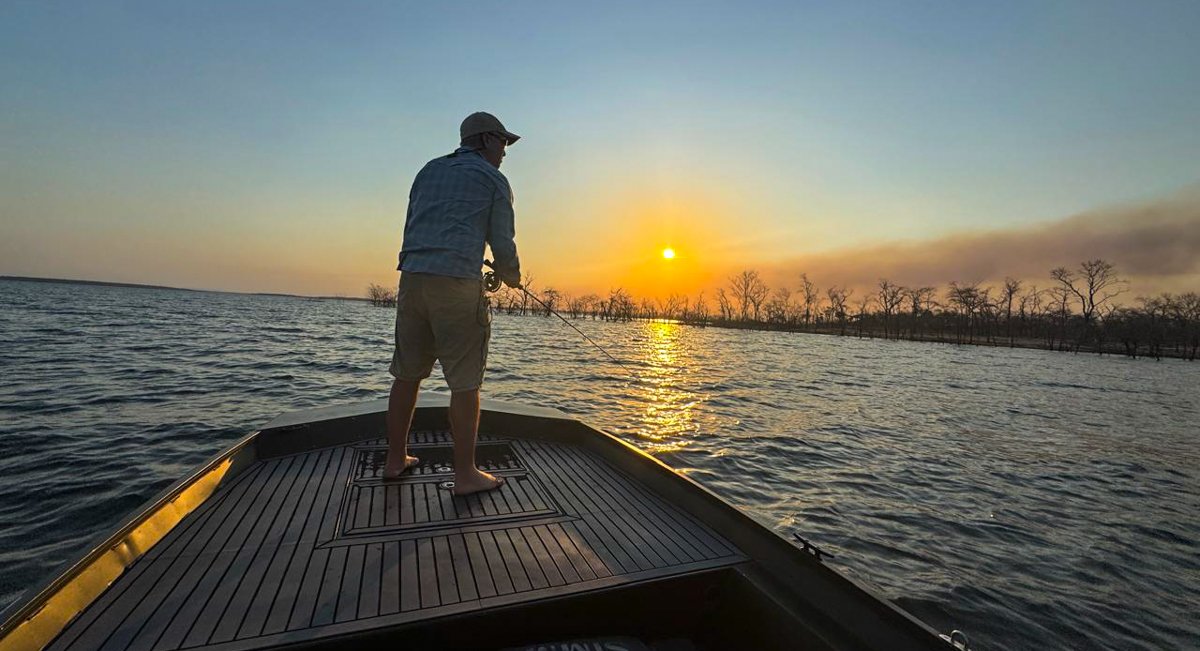
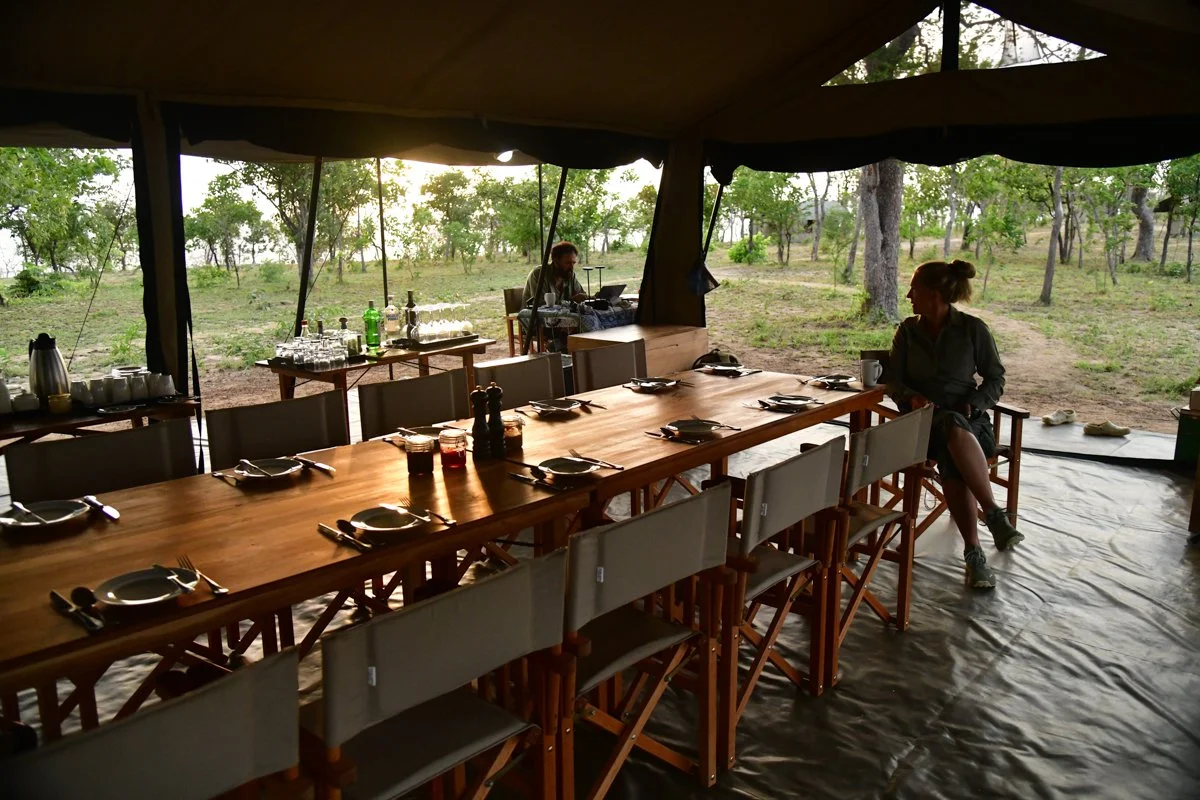
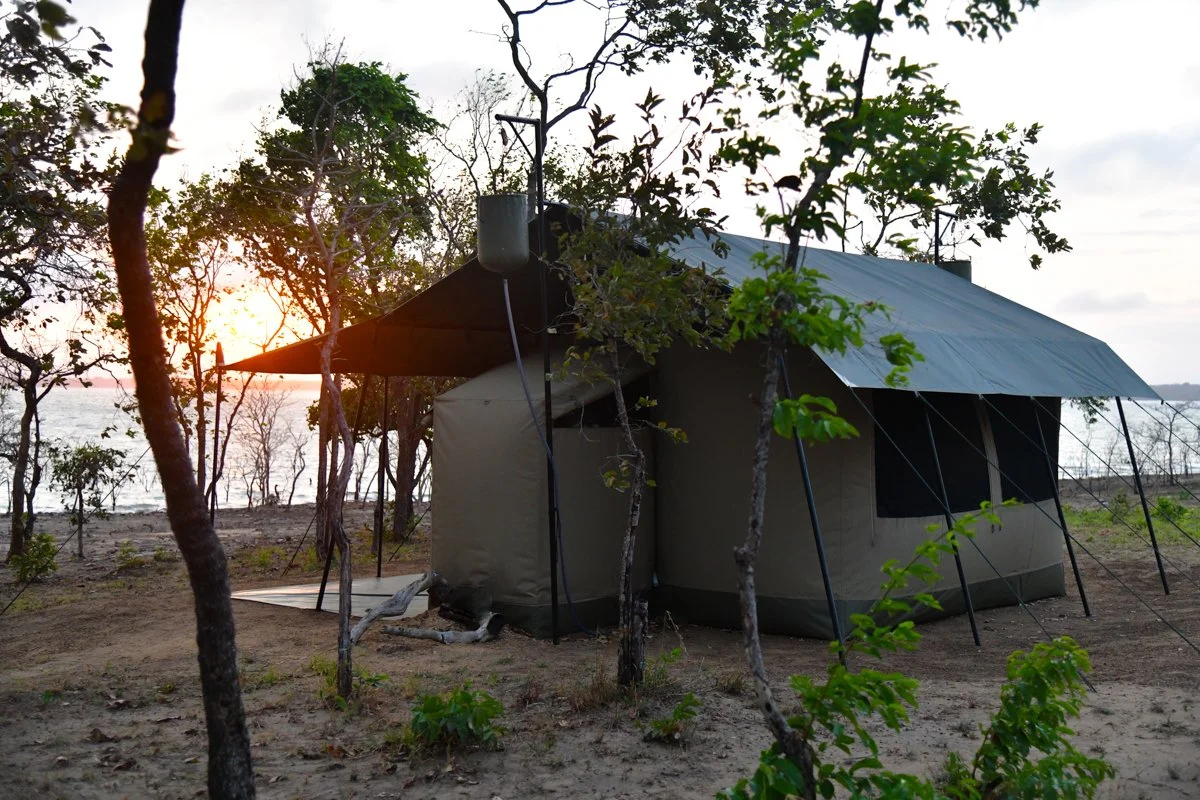
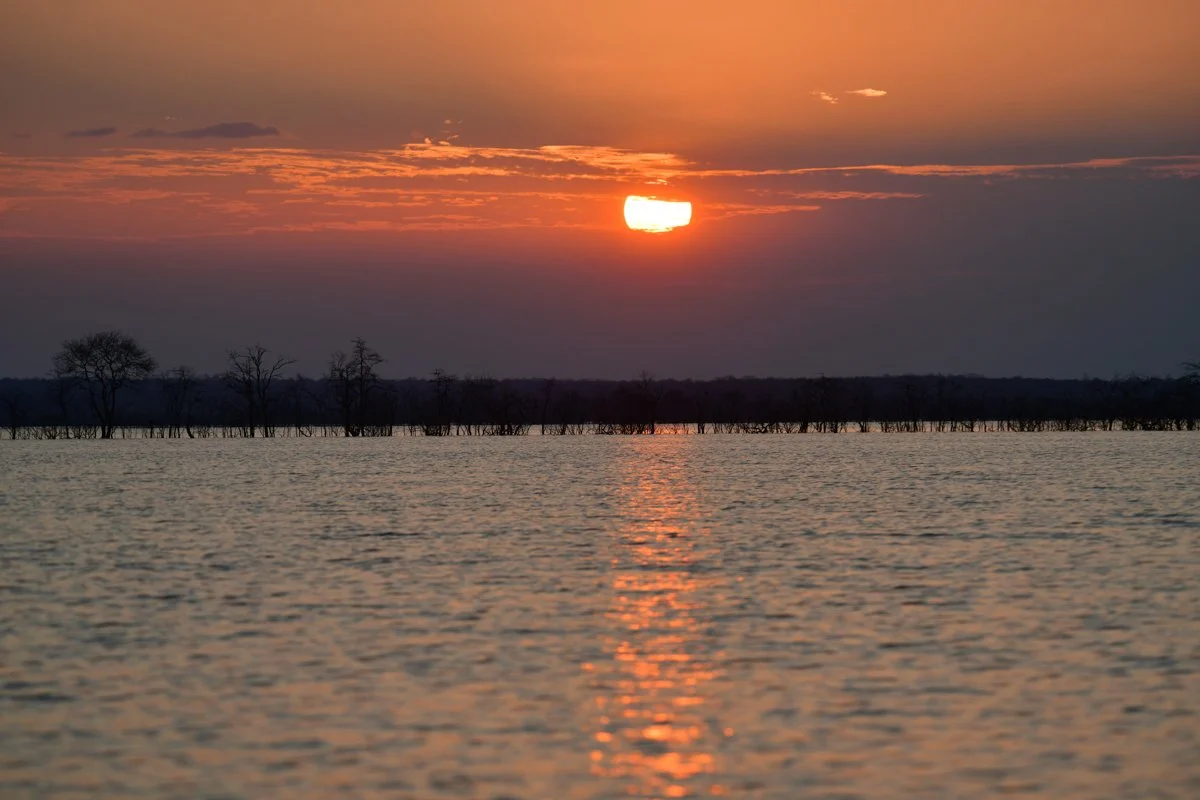
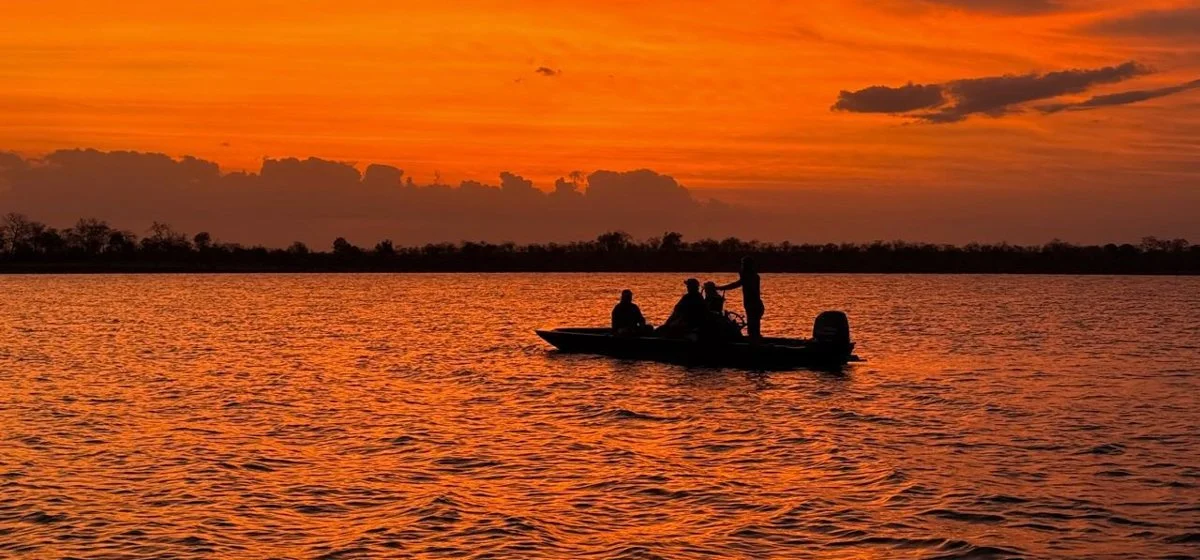
We were visiting Nyerere Fishing and Ed Gaui's camp, Maji Mapya. Set up on a beautiful spit, the camp benefits from an excellent cooling breeze that arrives each afternoon. The camp itself was enormously comfortable, with wonderful views of the setting sun and all the sounds that characterise the Selous at night. It was not only a perfect home for a bunch of fishermen but also an excellent place to experience some raw wilderness and a quite different ecology.
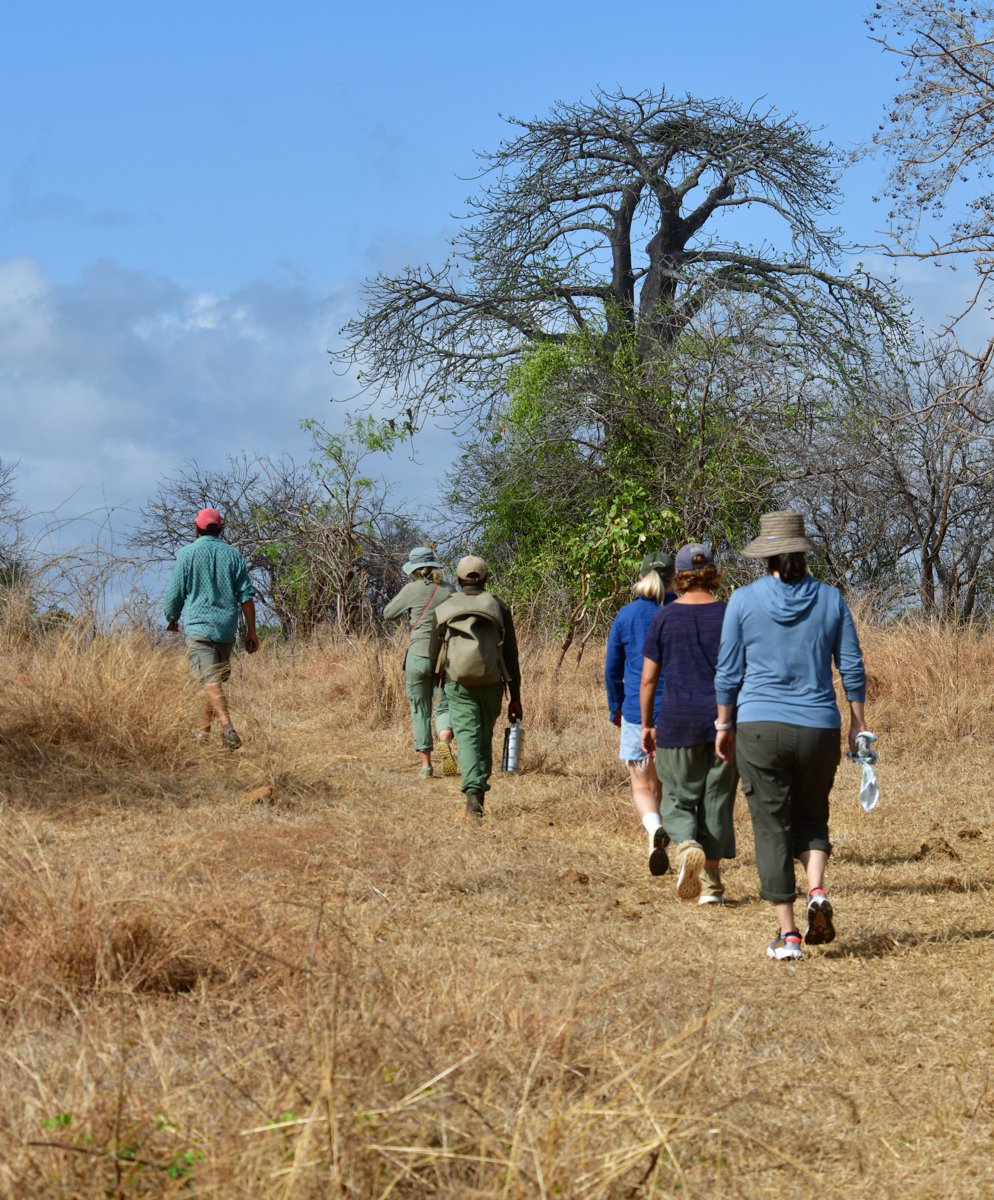
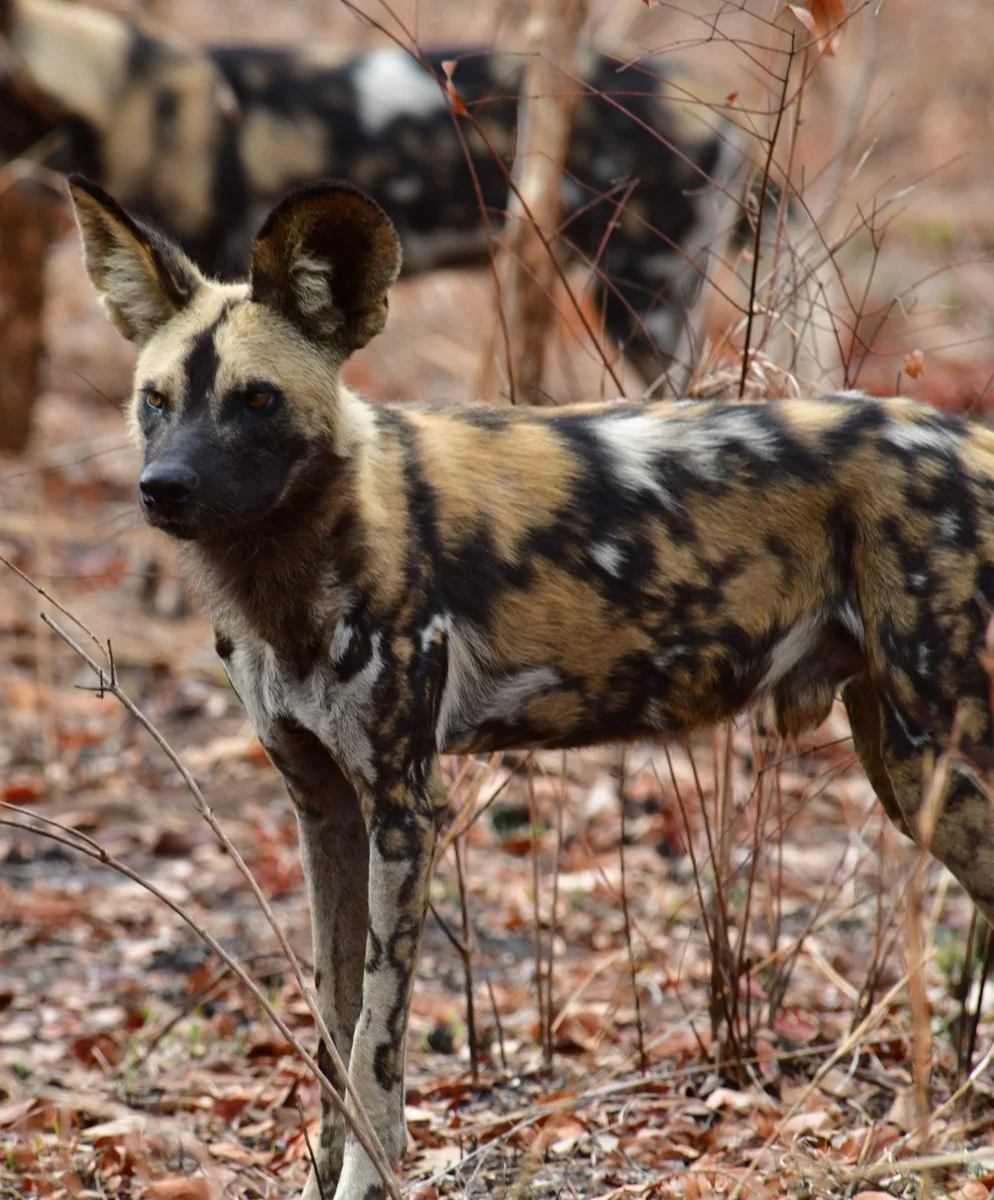
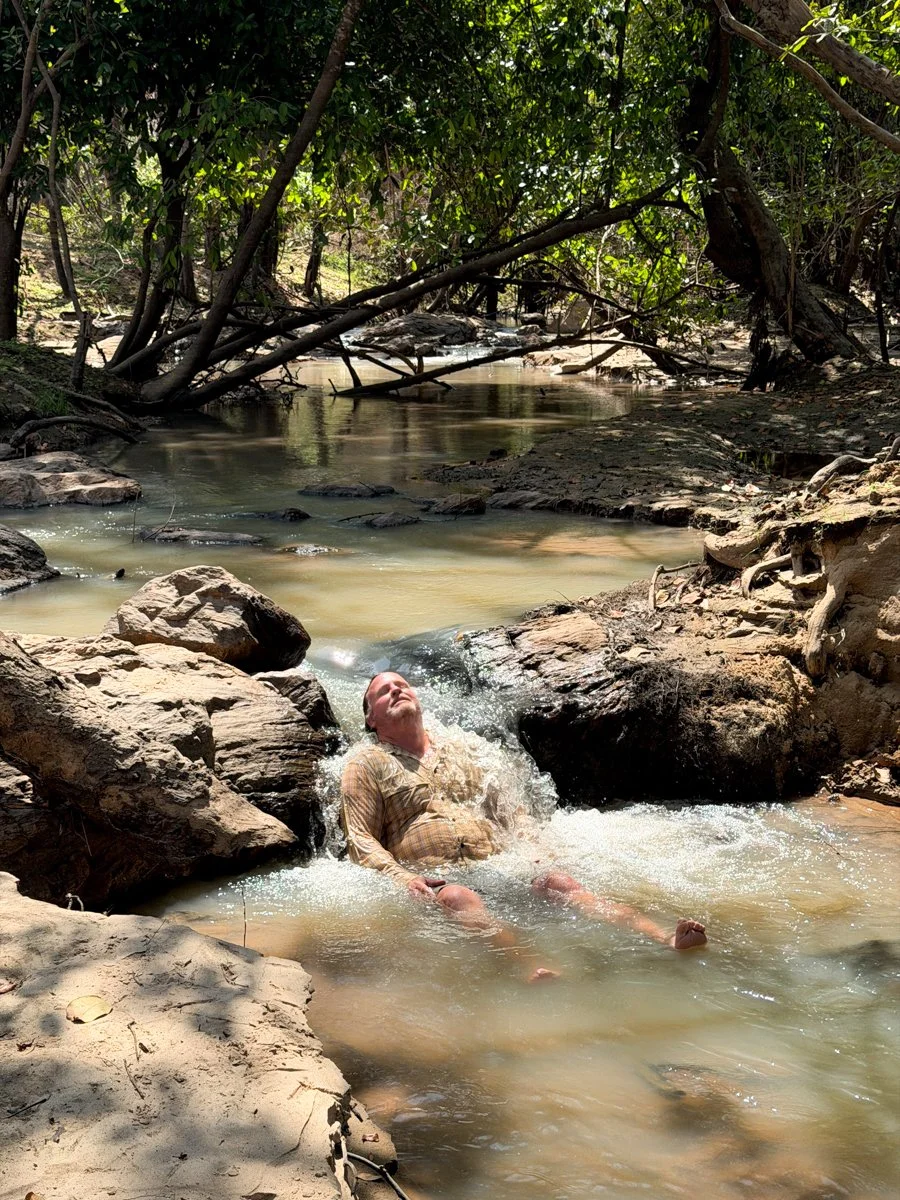
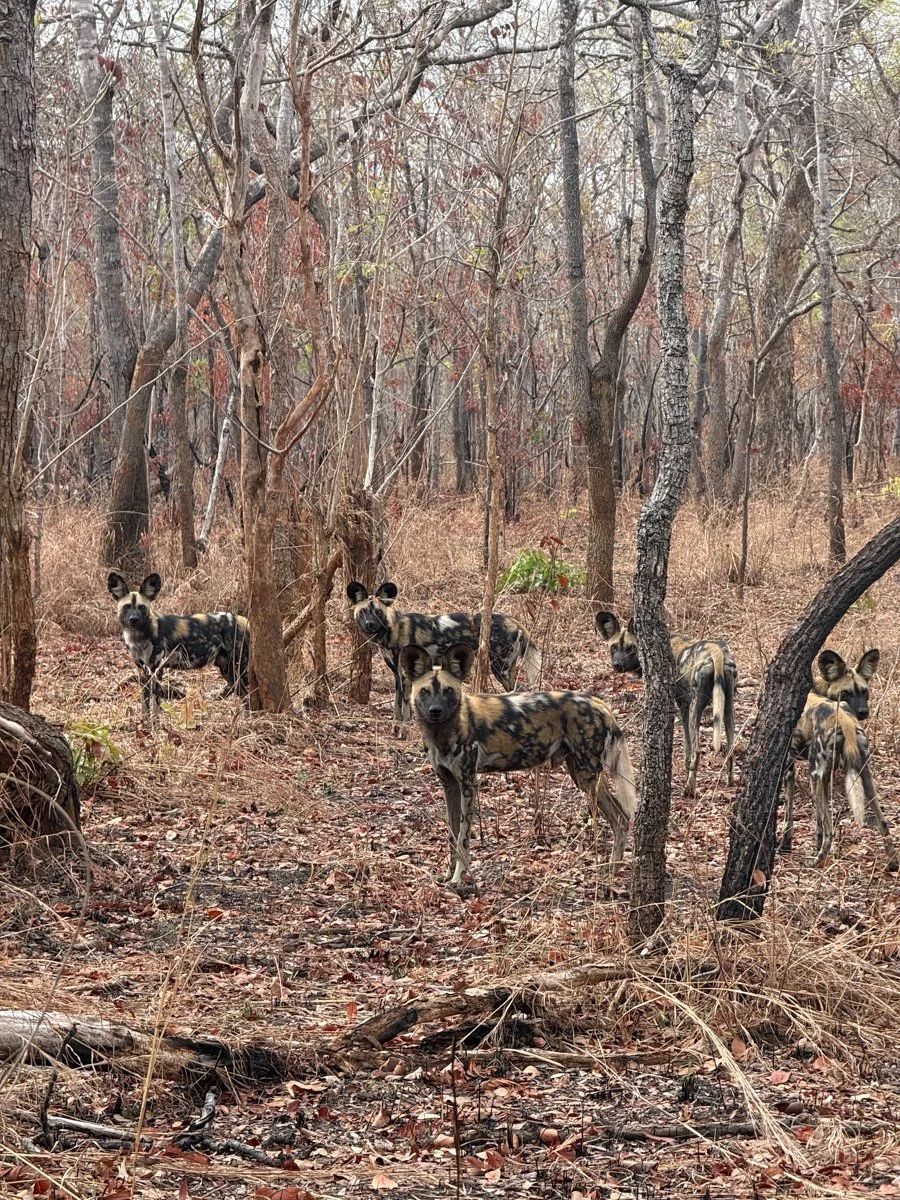
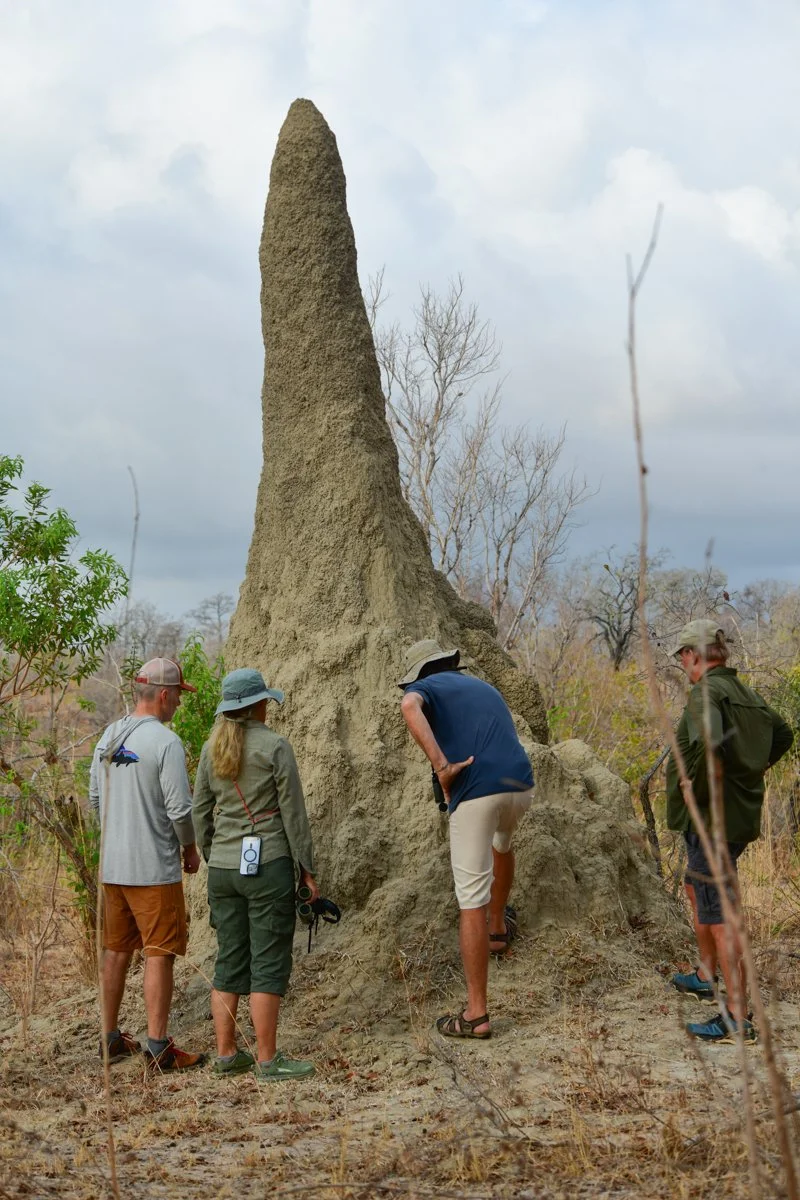
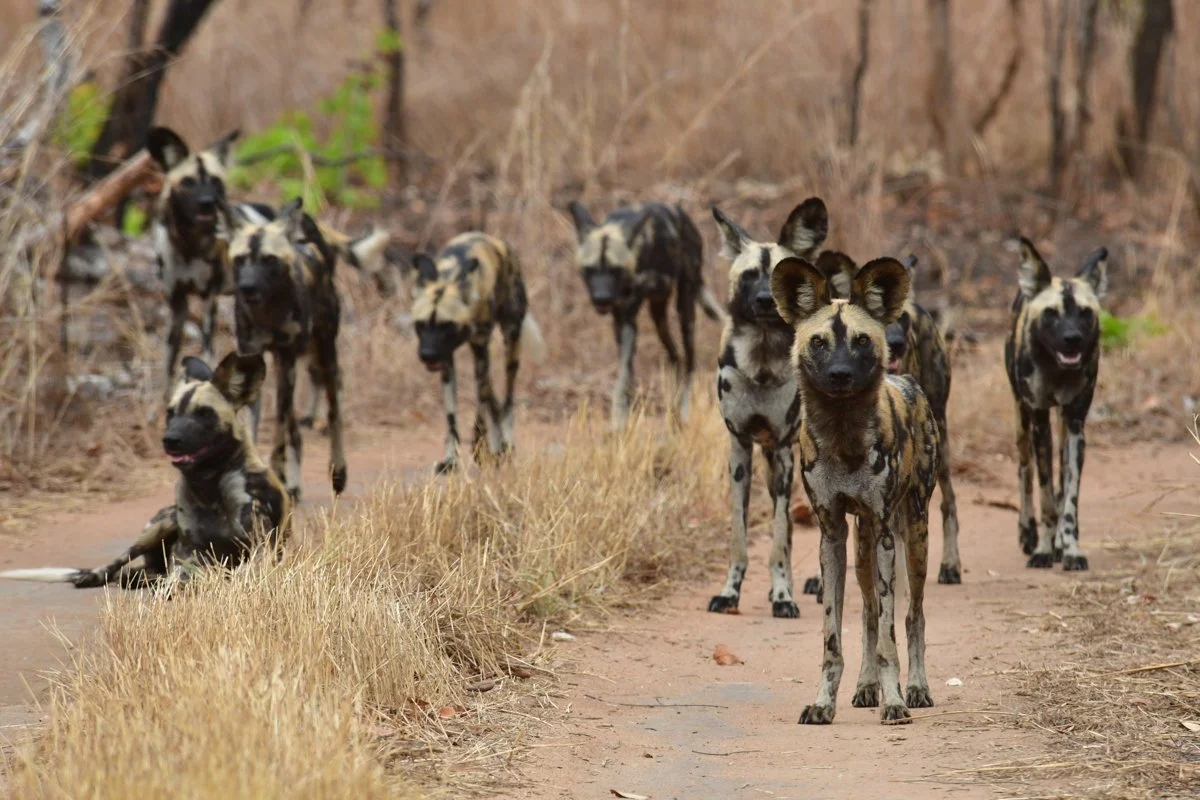
On a few mornings, a walking team set off to explore the area, following the shores of several bays, wandering around inundated inlets and crossing rocky hillsides. The walkers even managed to find a lion on one of their excursions. A leopard would often serenade us at night and we also saw a beautiful pack of Wilddogs on our way out from the camp in the Miombo forest.
Nyerere Dam and Nyerere National Park are relatively recent additions to the Selous, having been built and established only seven and three years ago, respectively. The dam inundated some beautiful riparian habitat along the Rufiji River, in an area formerly known as Stiegler's Gorge. While there was certainly a significant environmental cost to a dam of this scale, both in terms of aquatic and terrestrial wildlife habitat lost, the benefits include the clean power Tanzania is now able to generate. More importantly for our trip, however, it has created some mind-boggling tiger fishing.
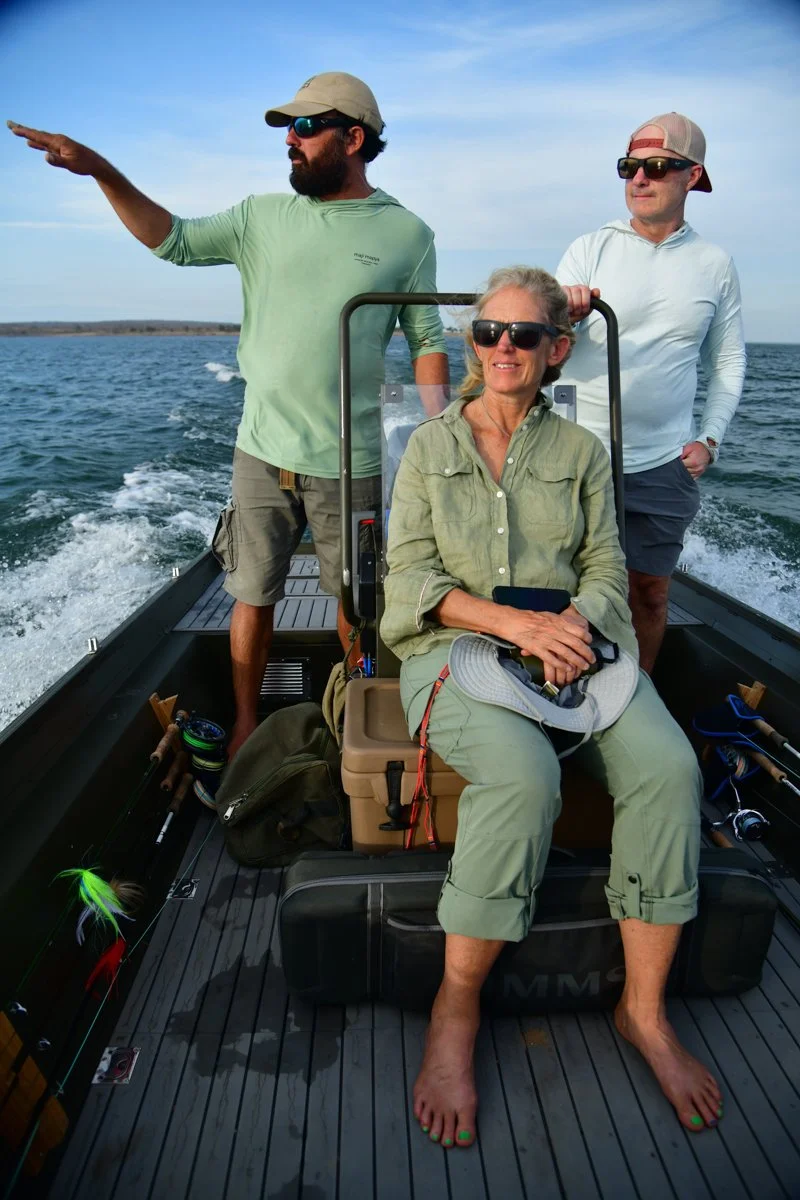
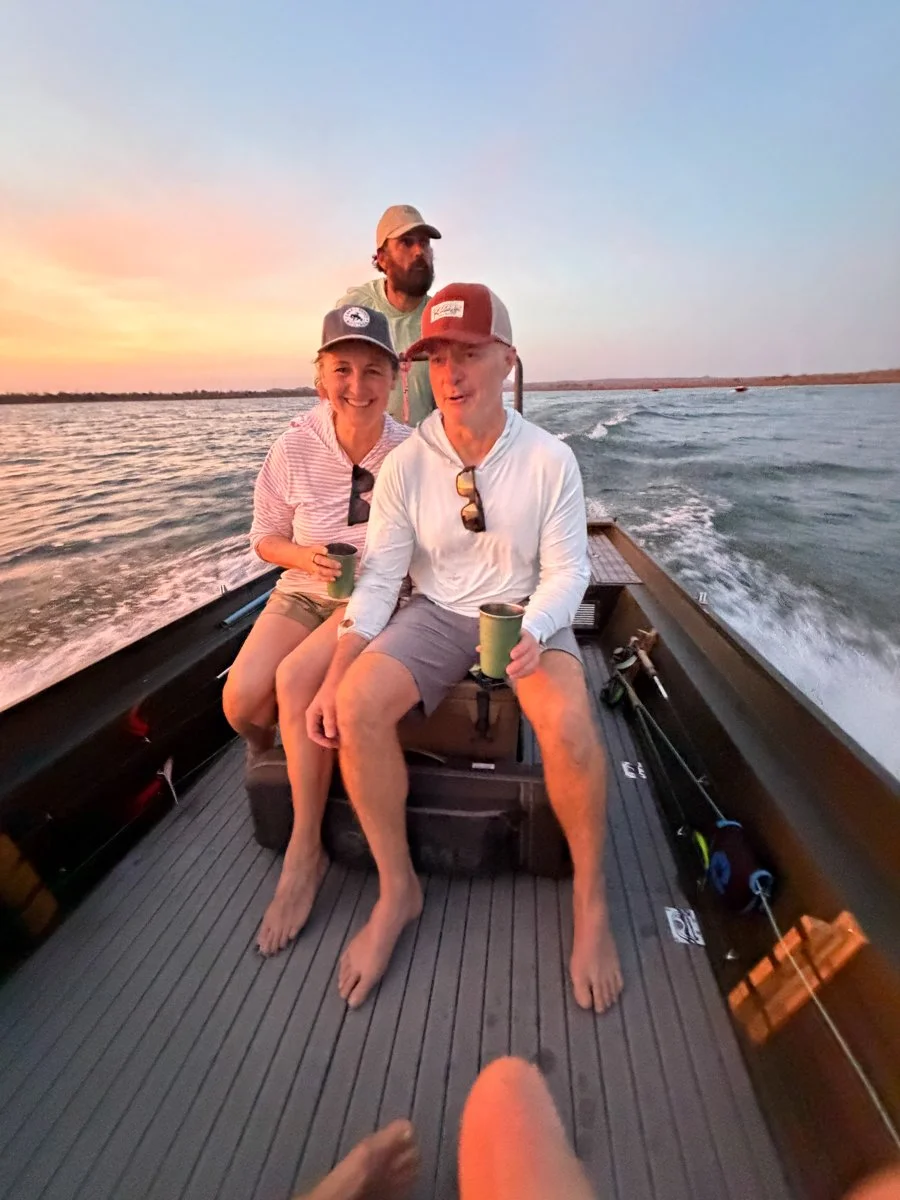
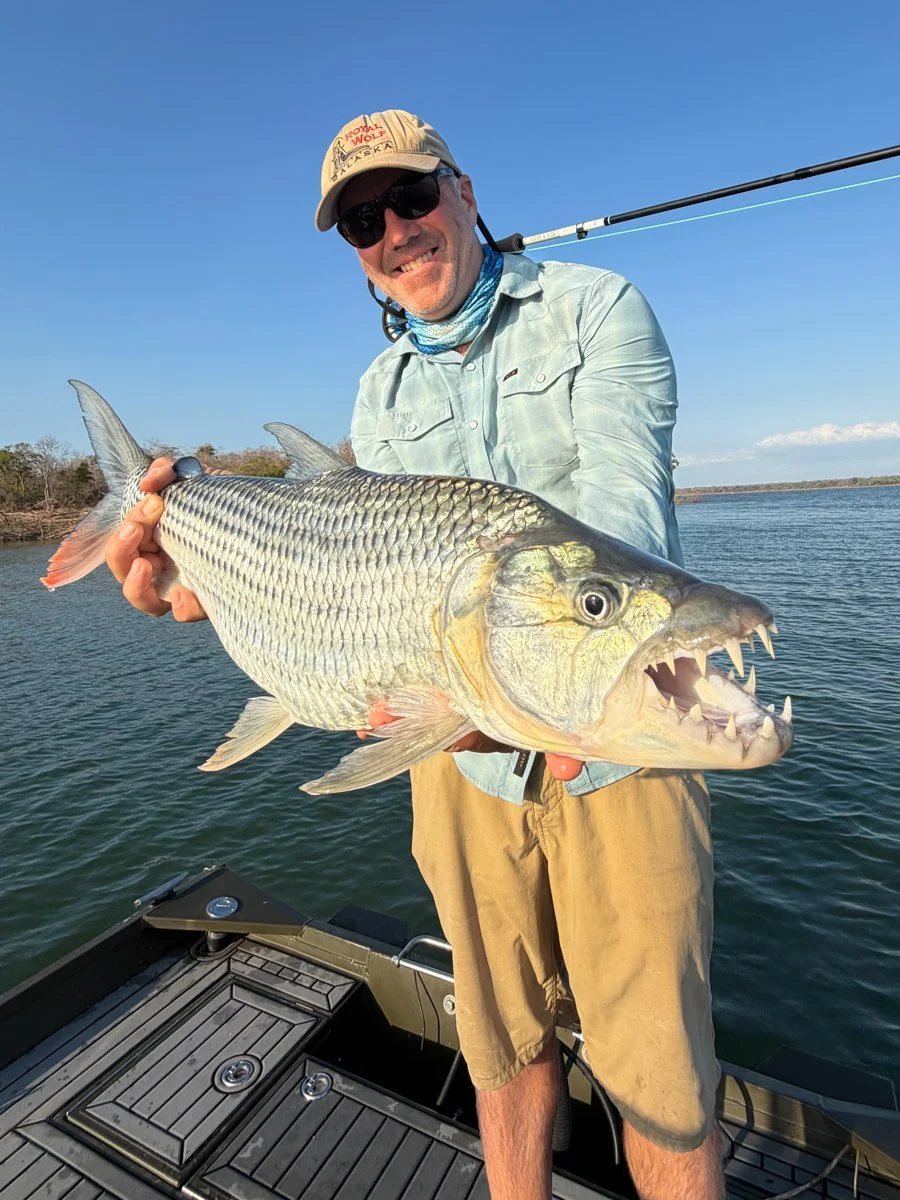
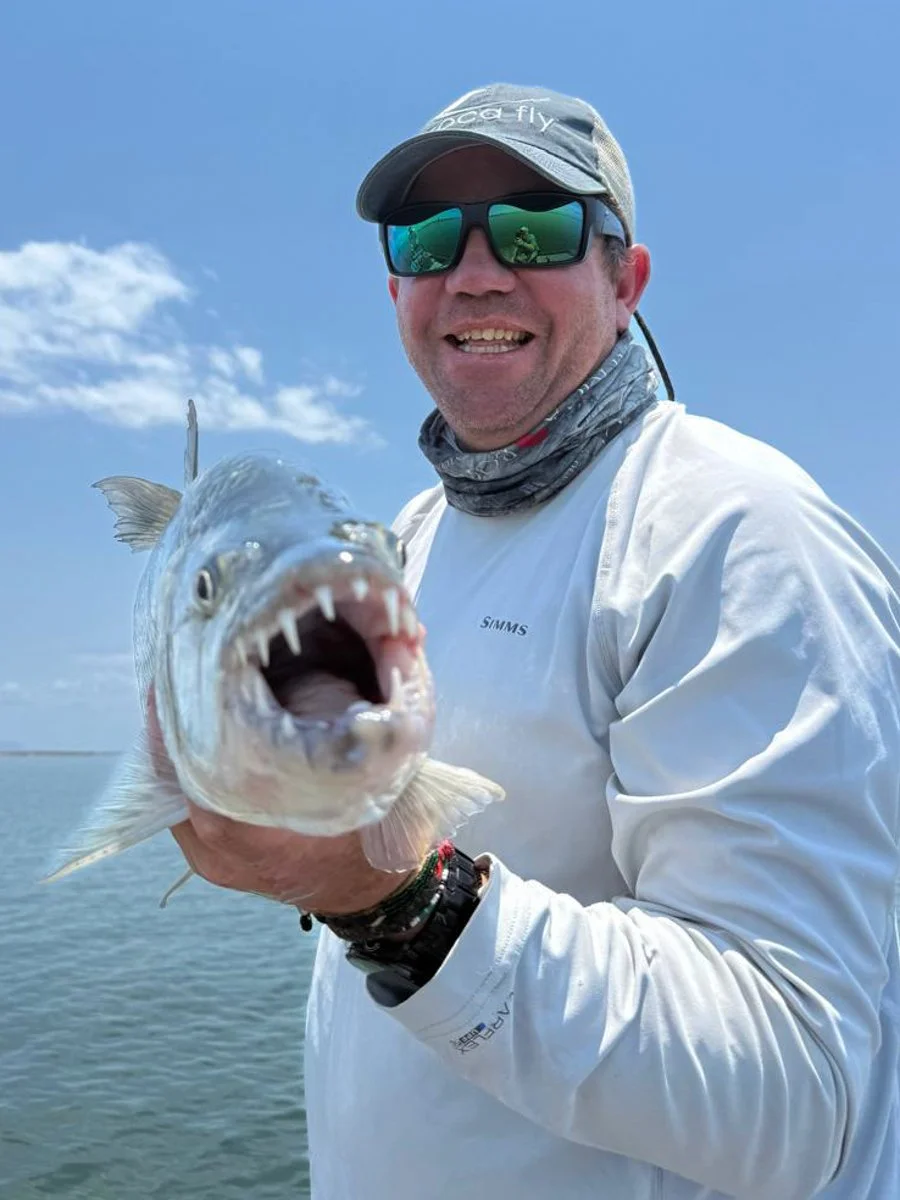
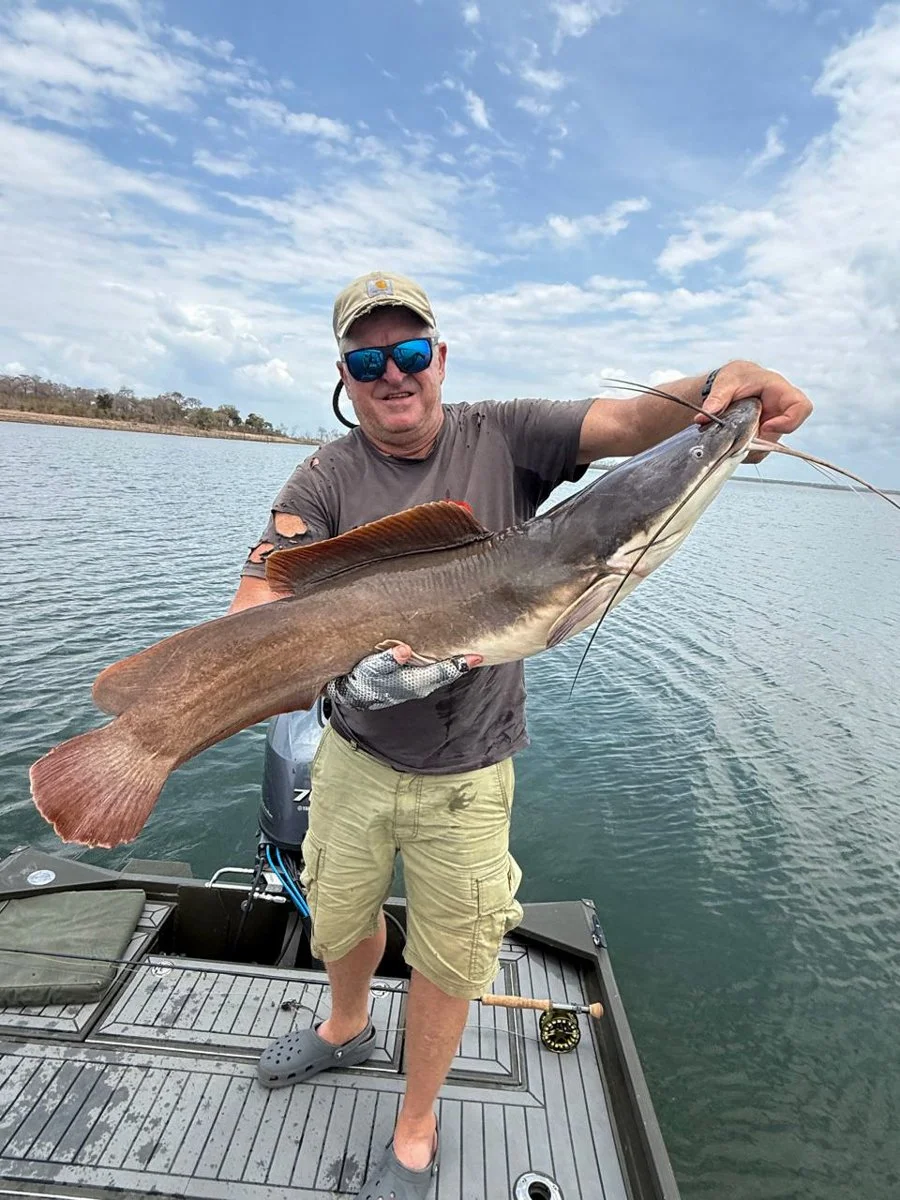
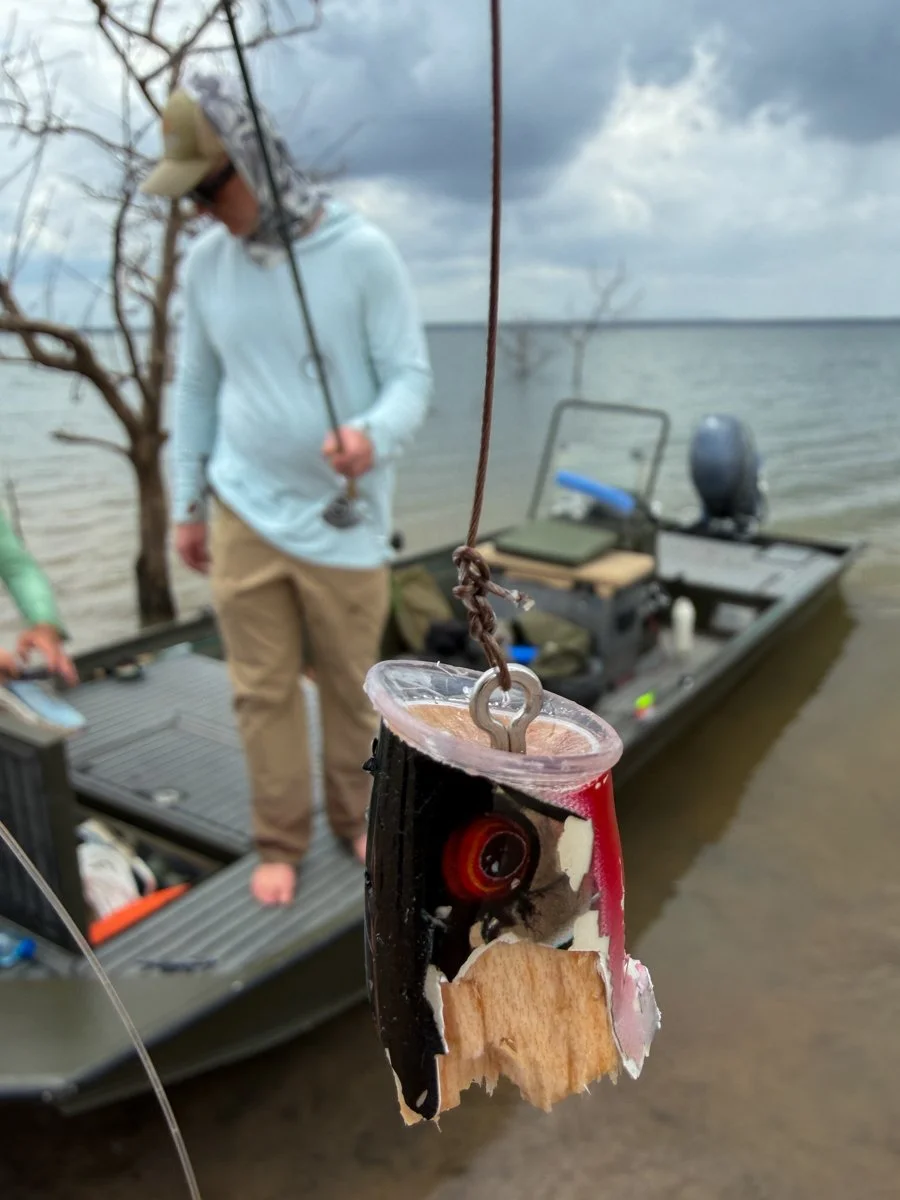
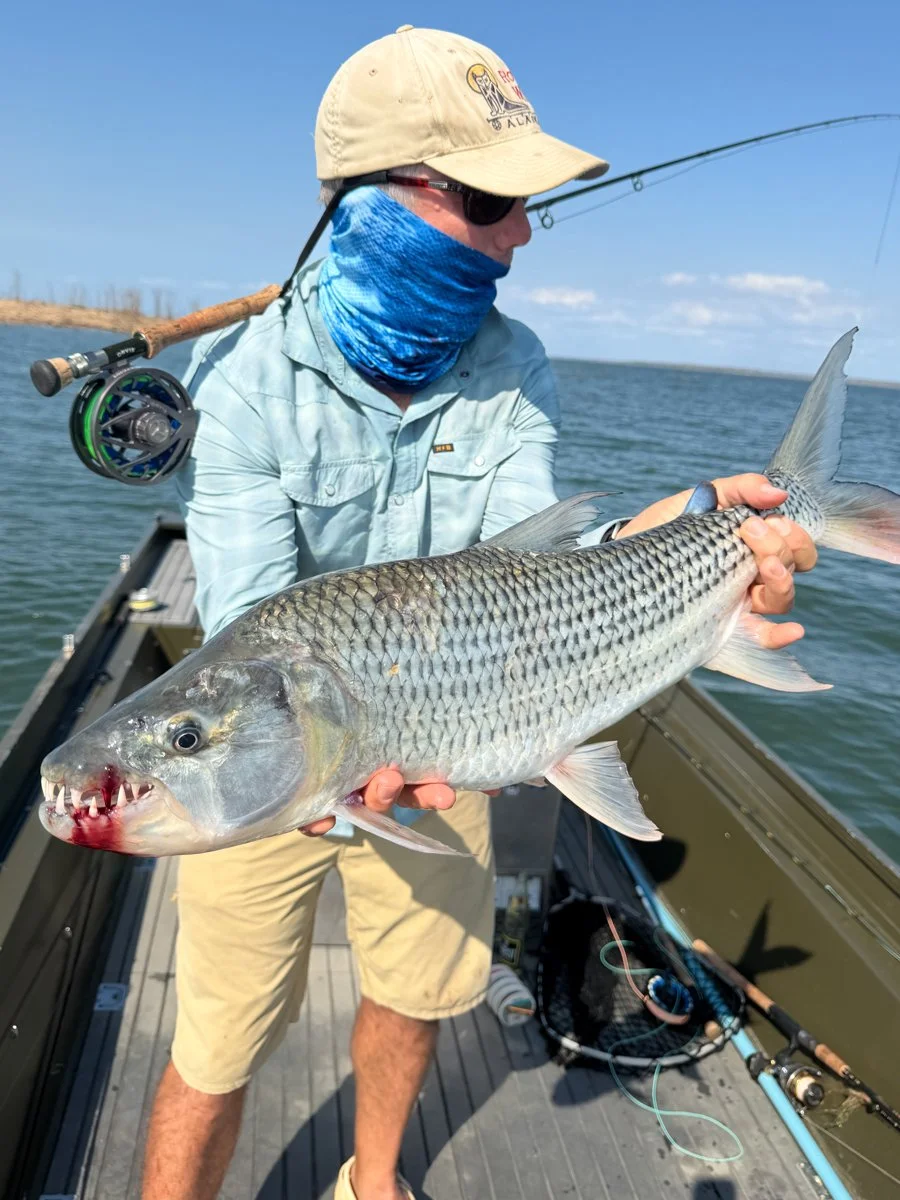
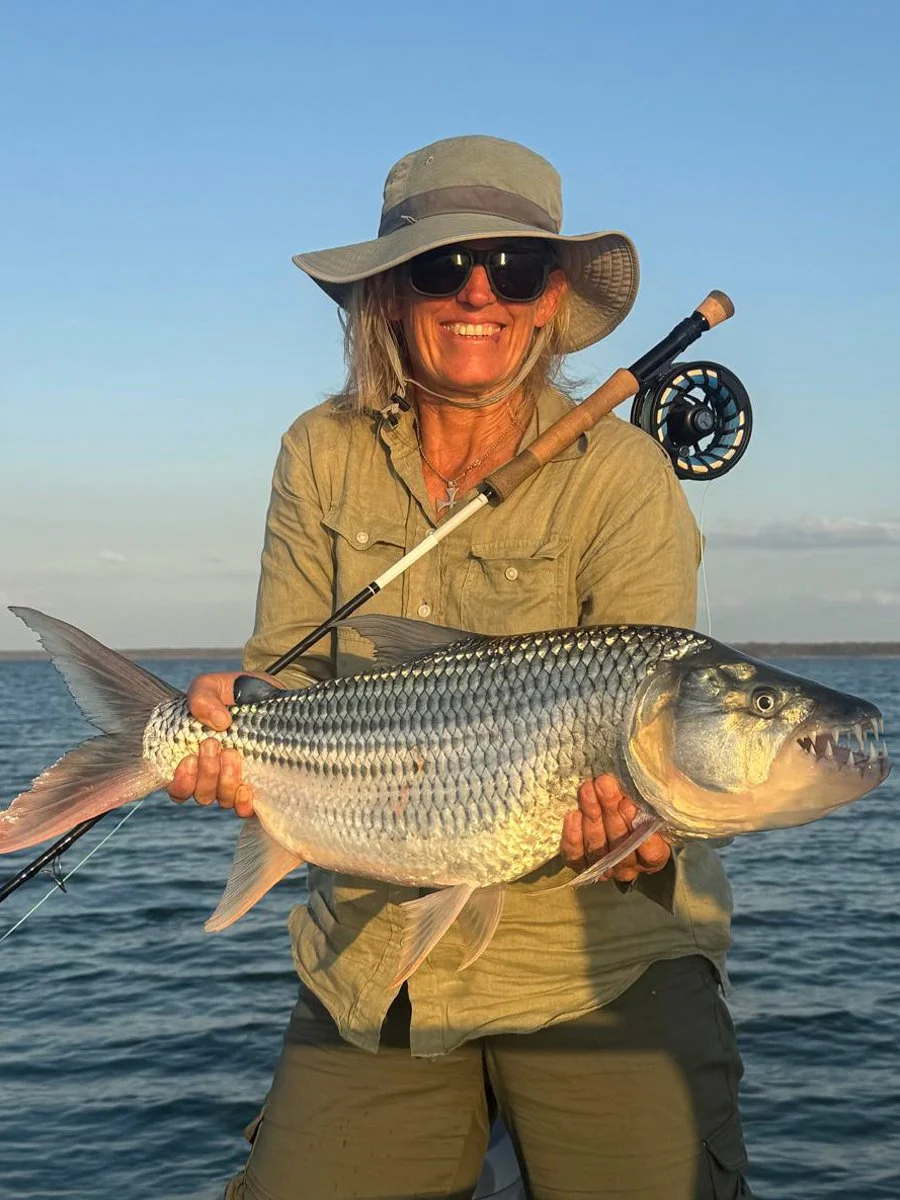
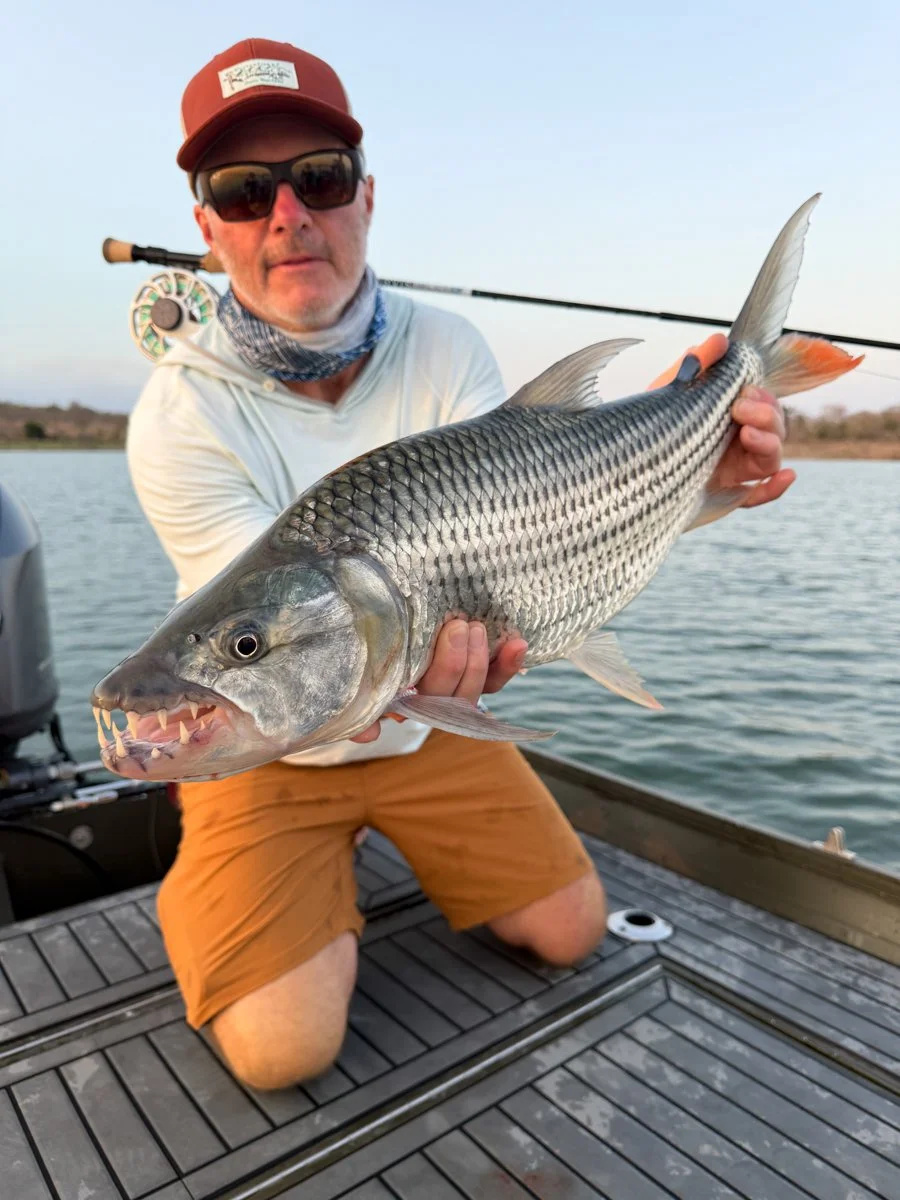
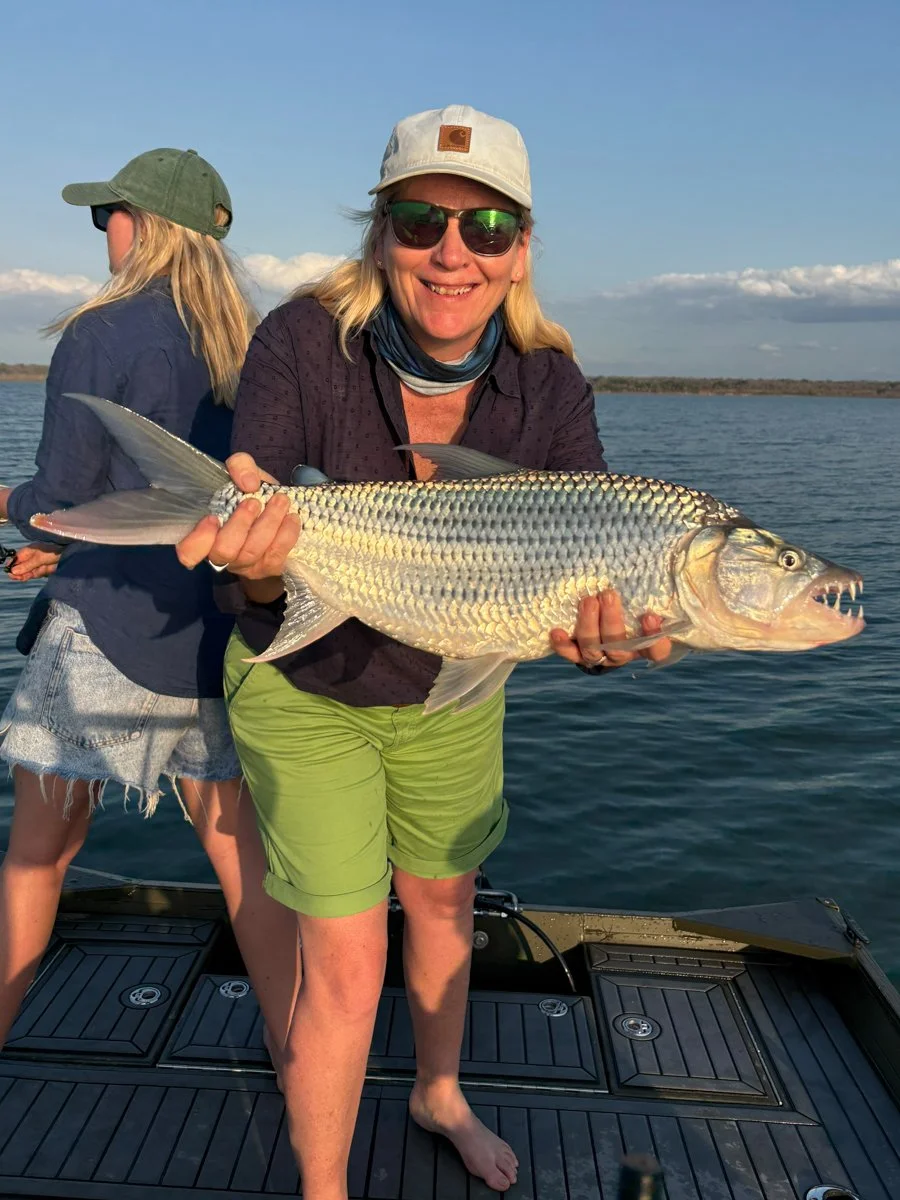
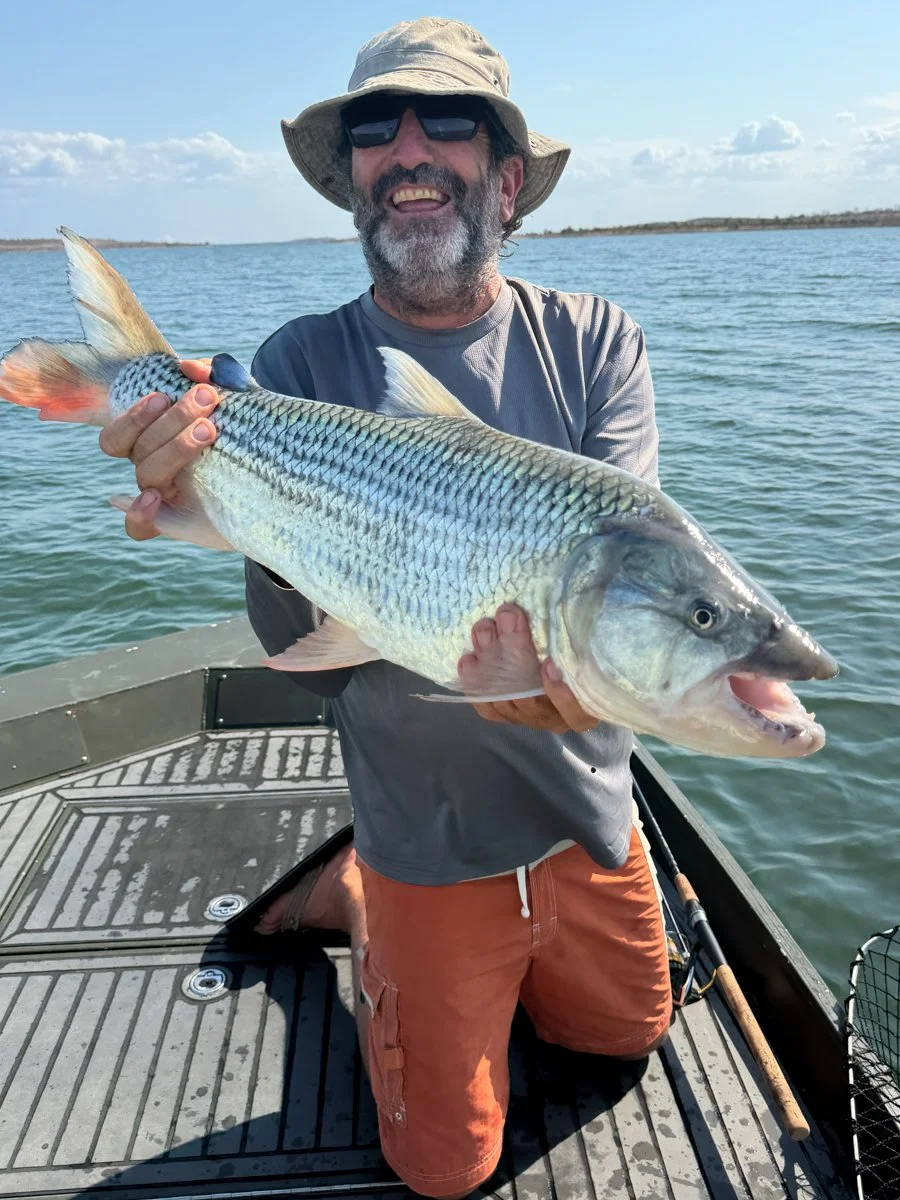
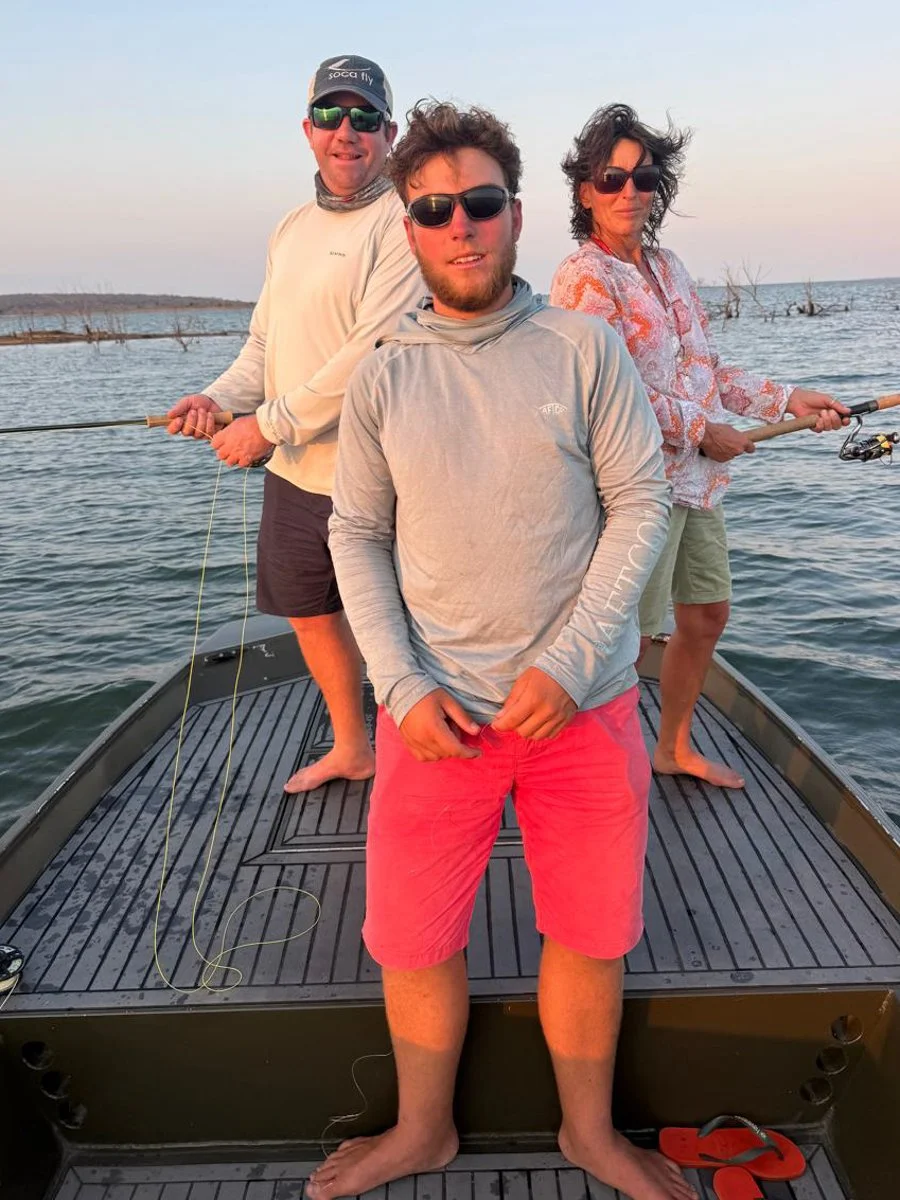
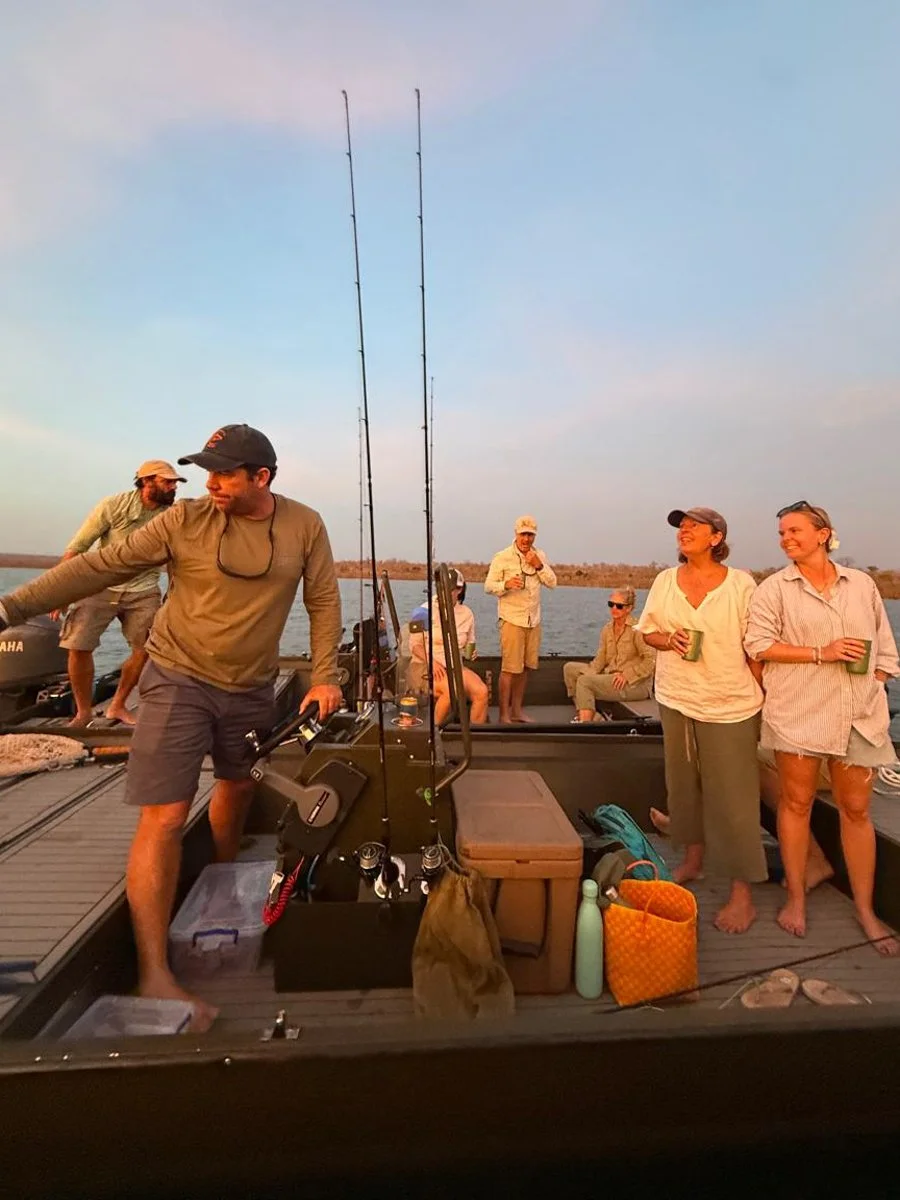
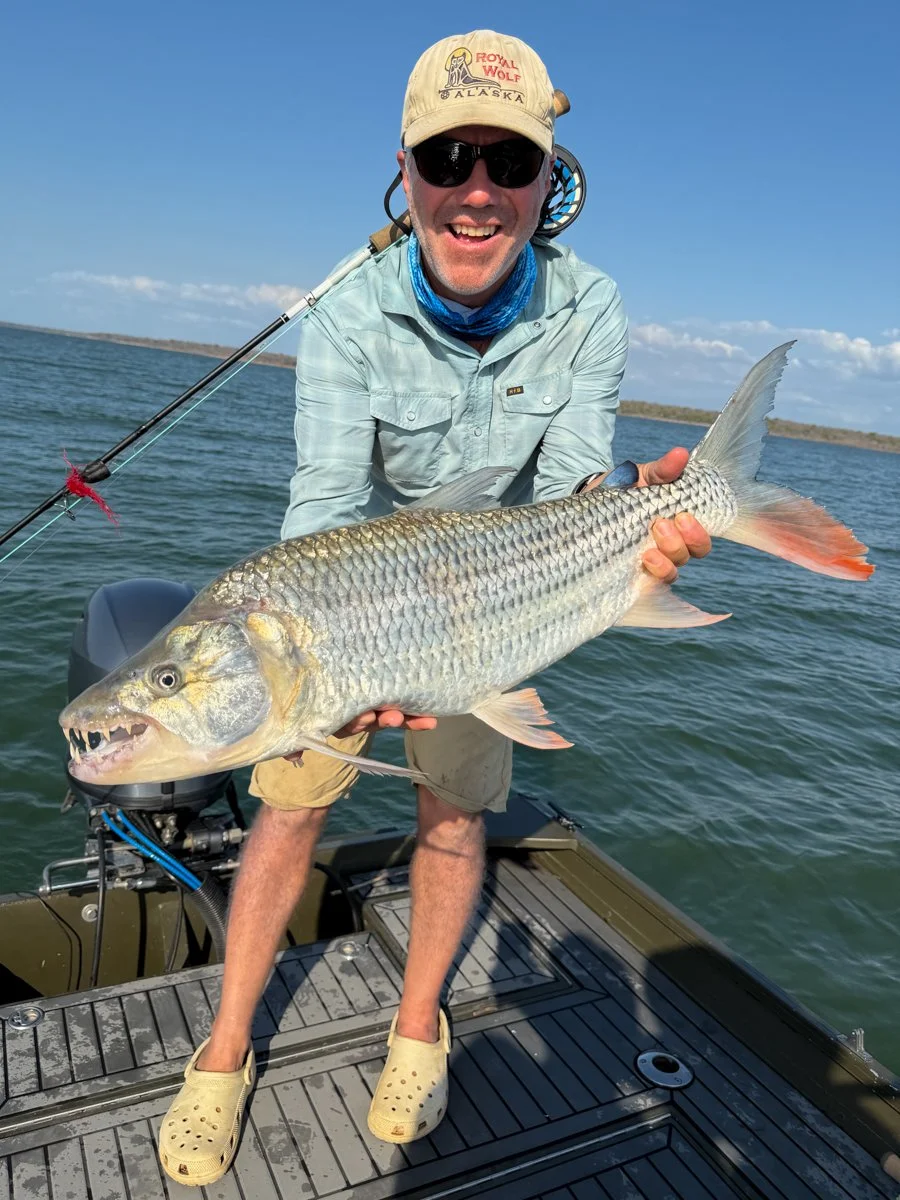
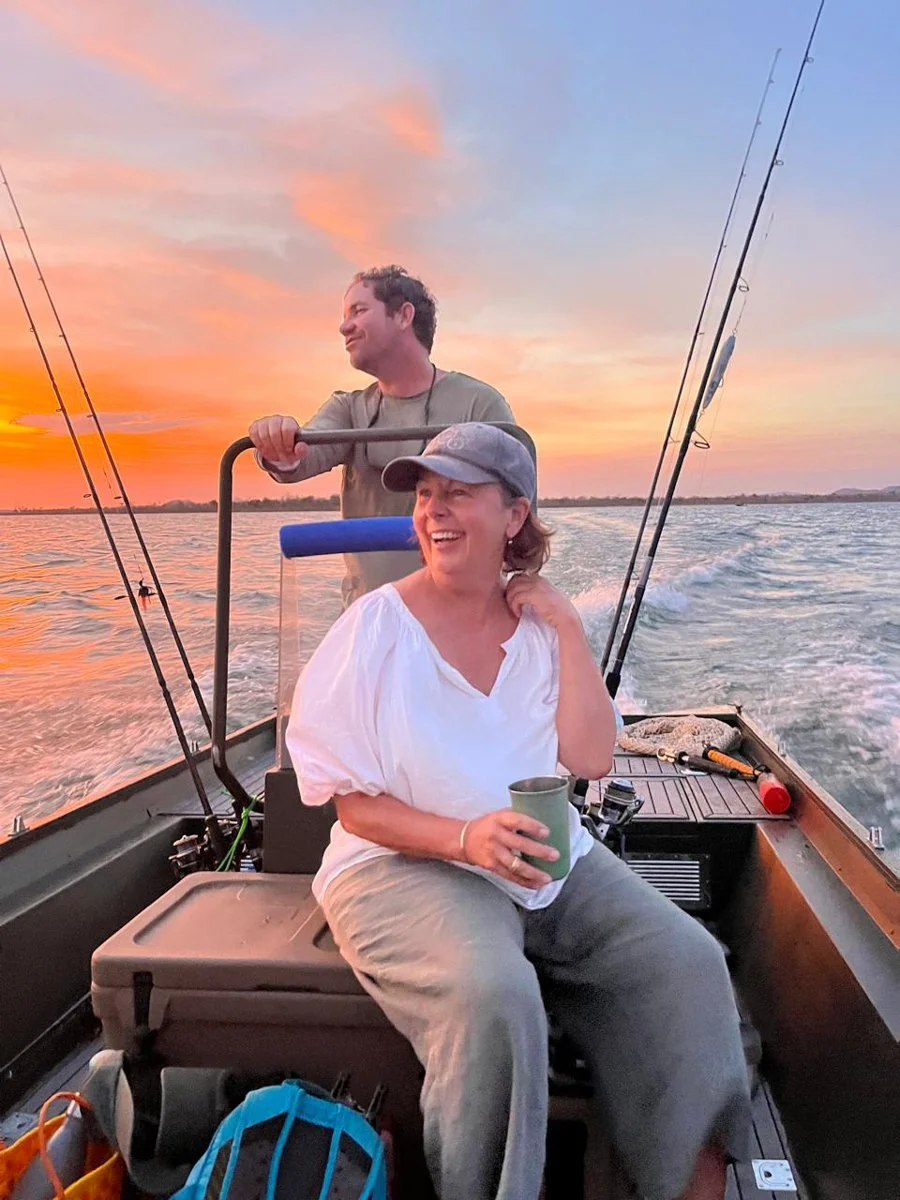
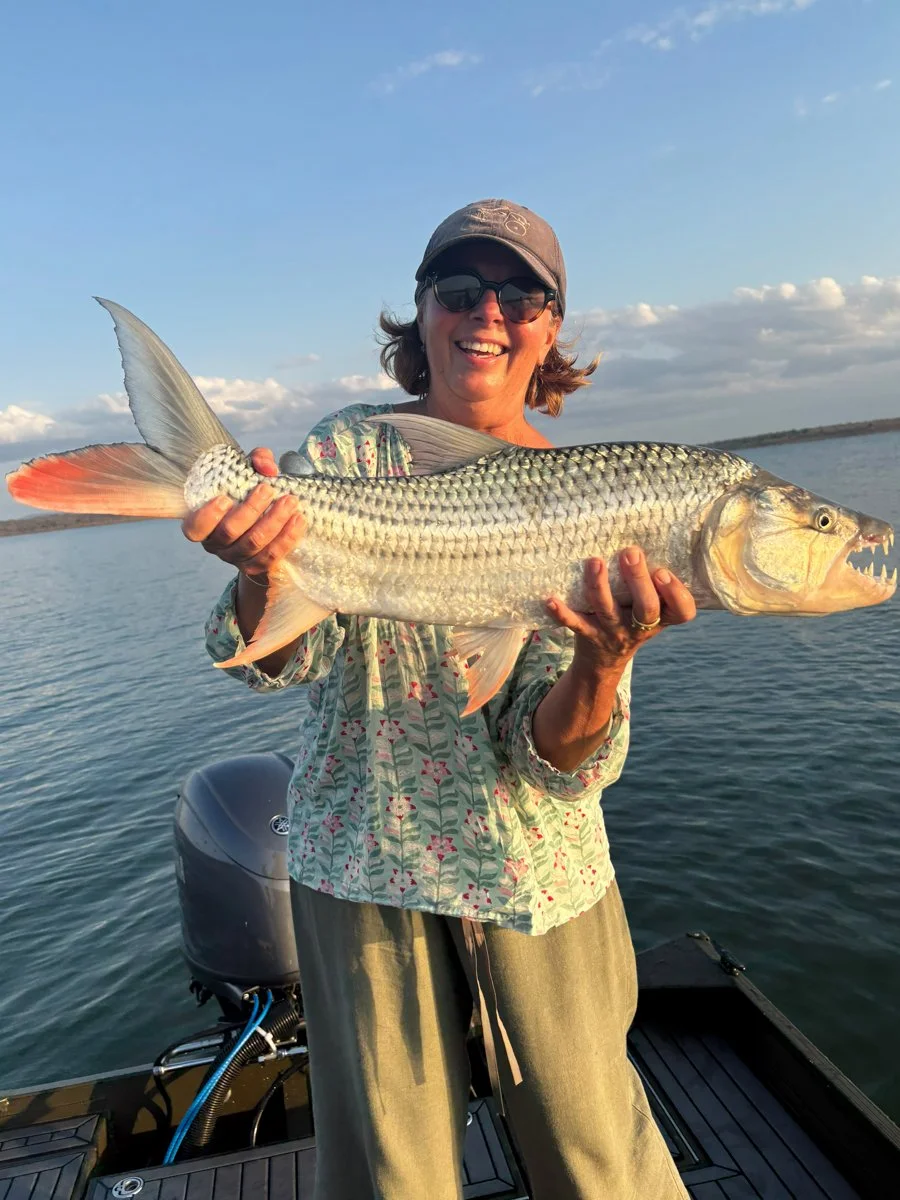
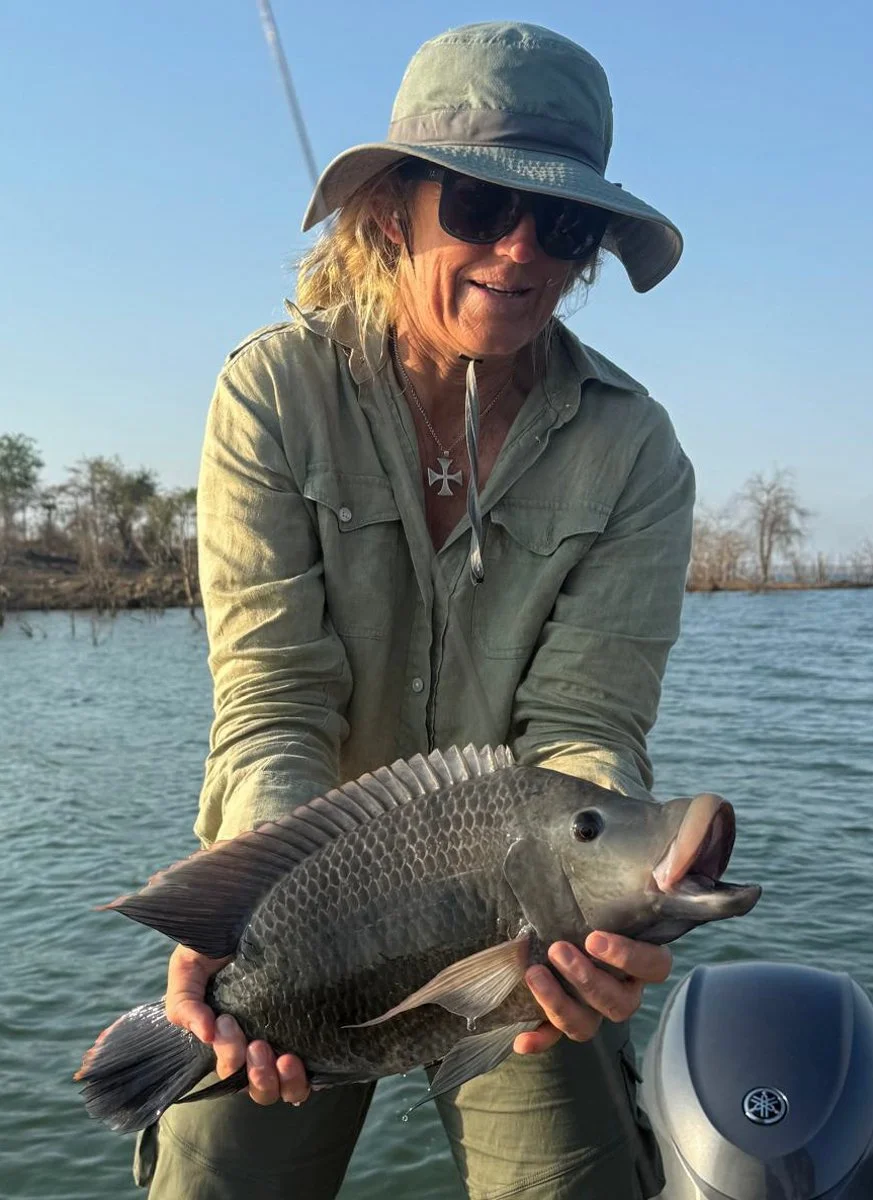
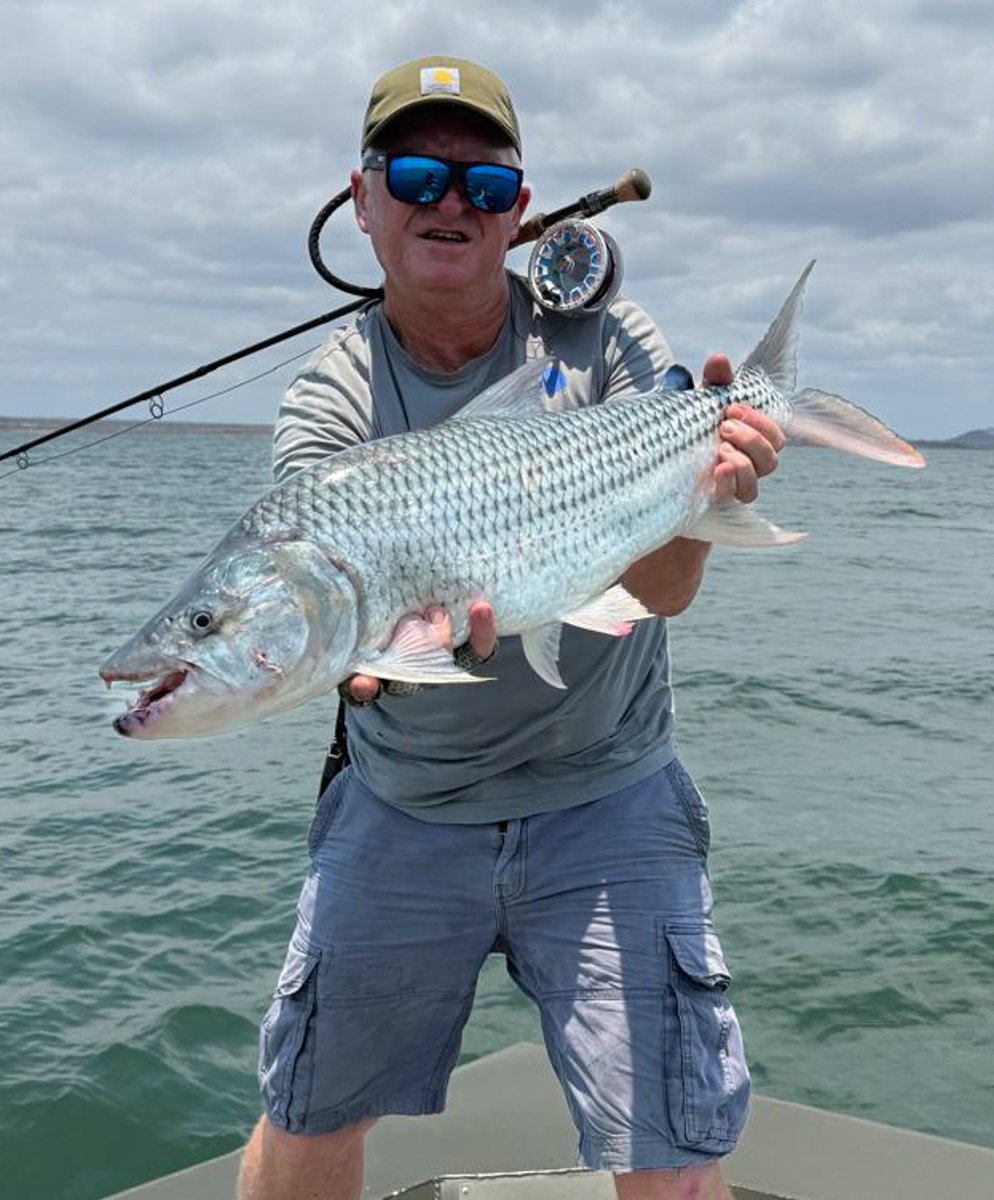
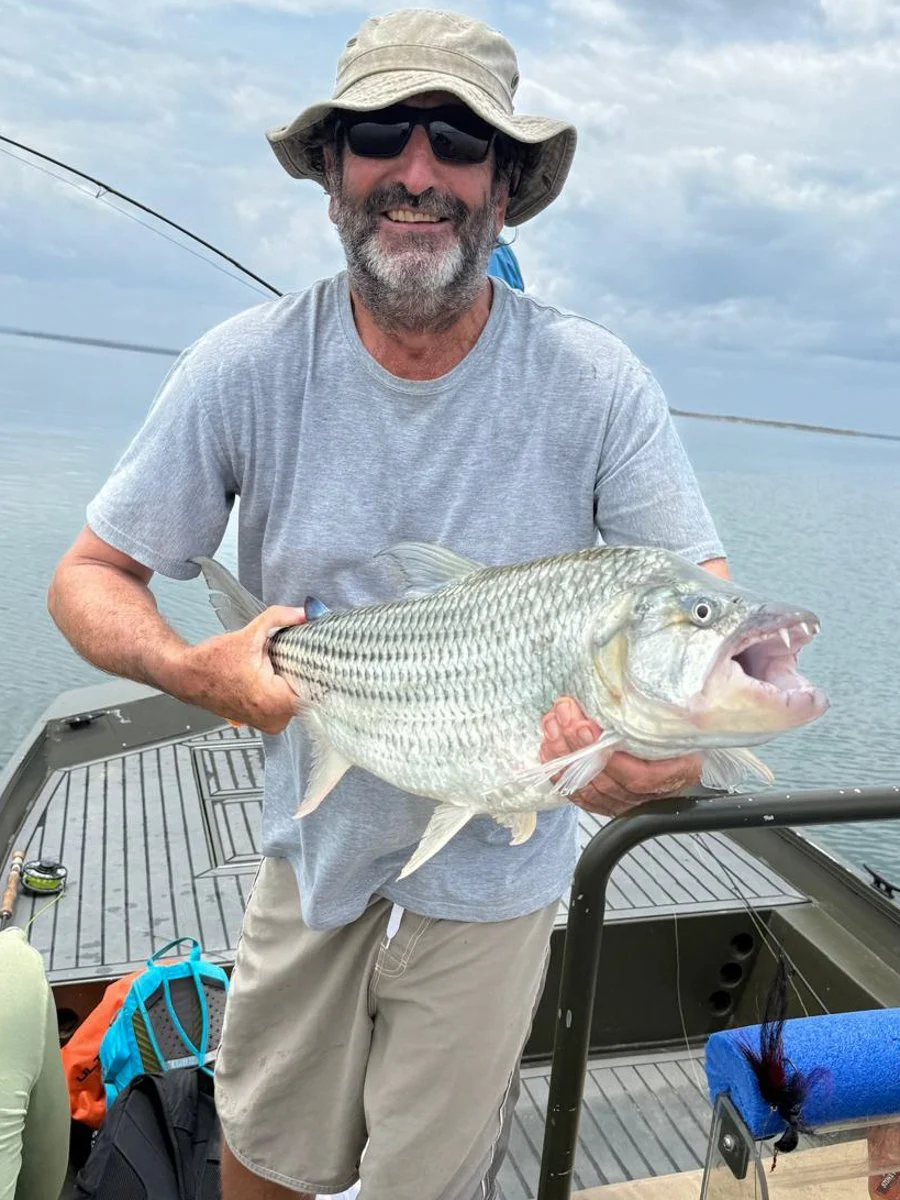
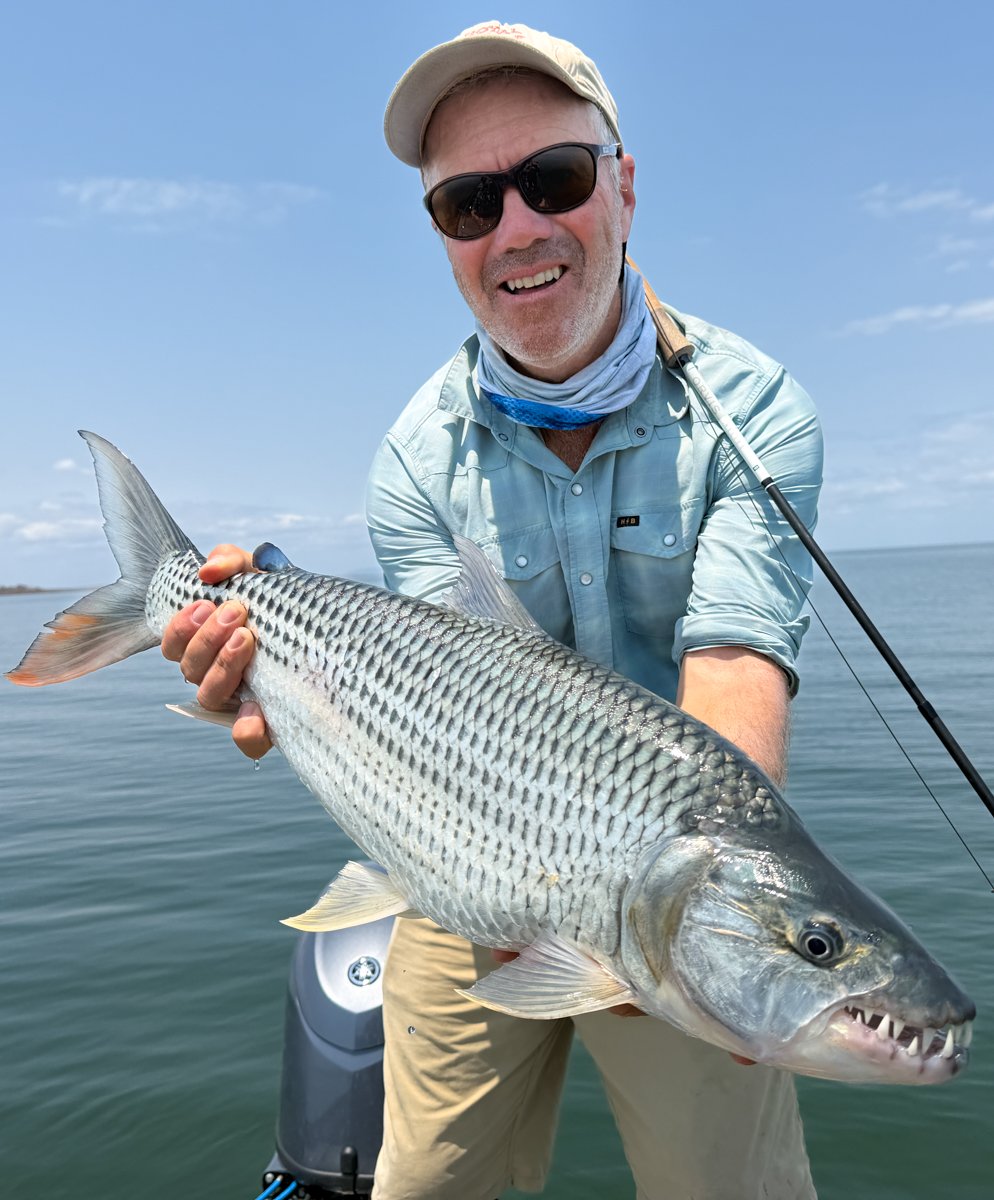
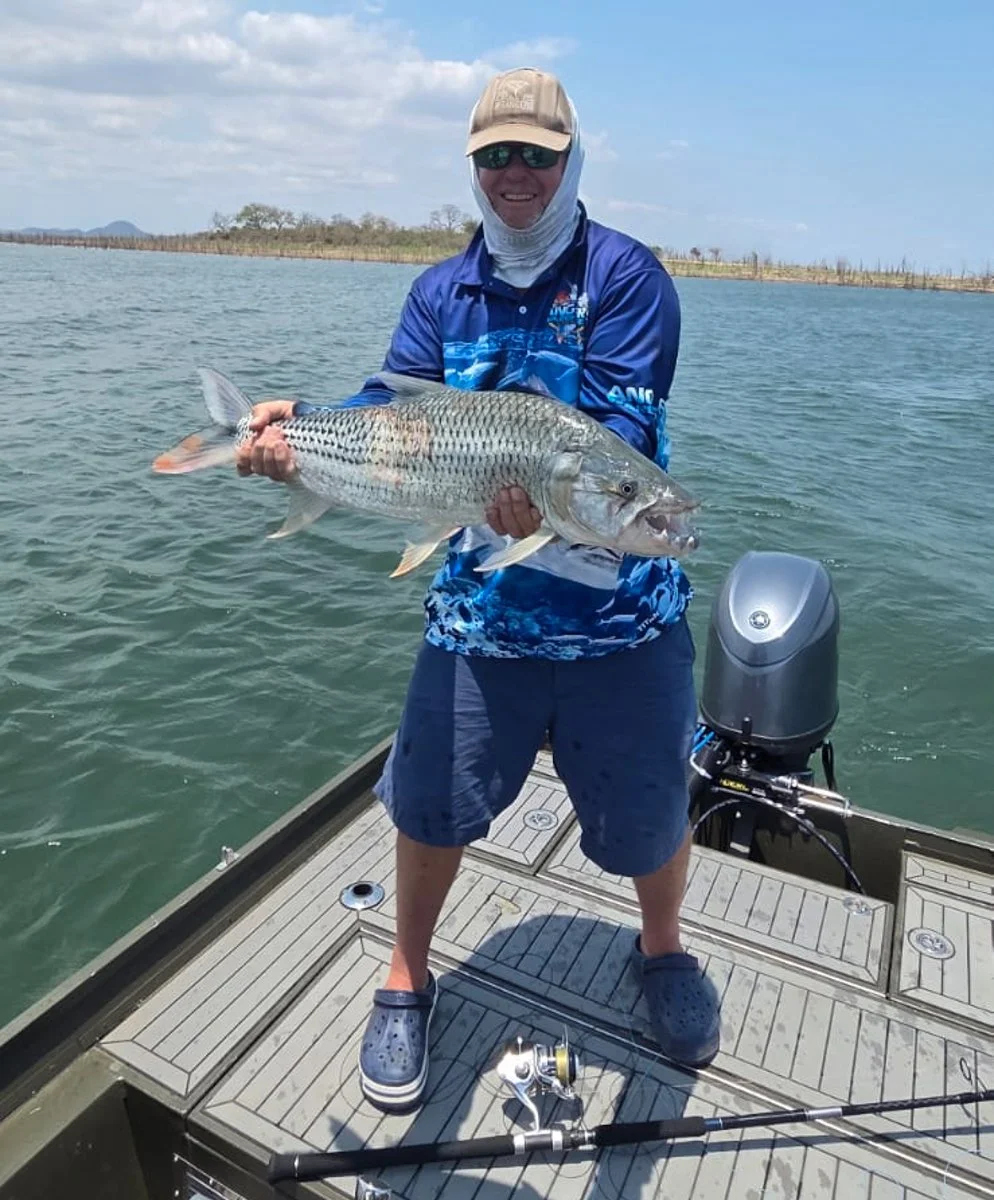
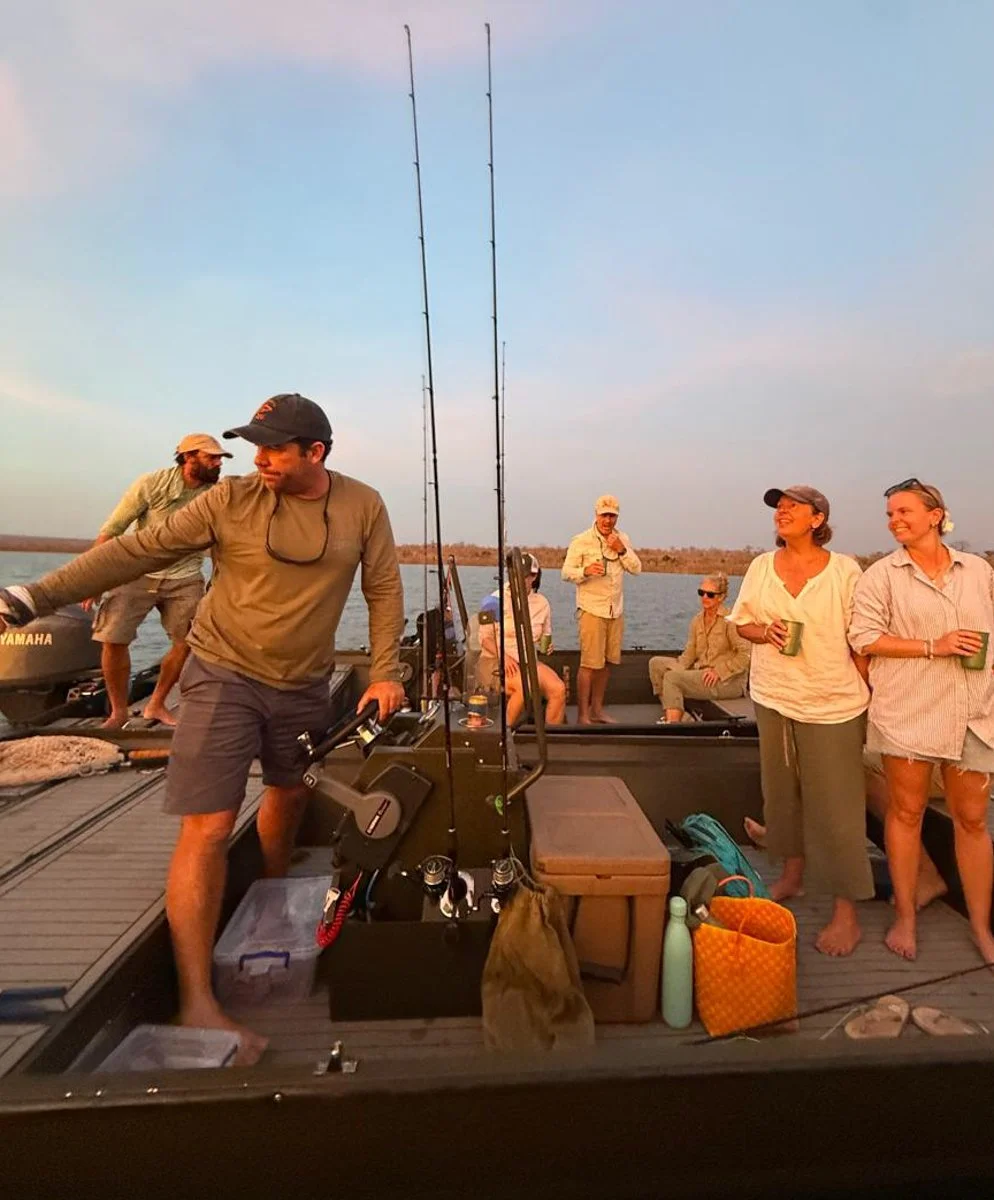
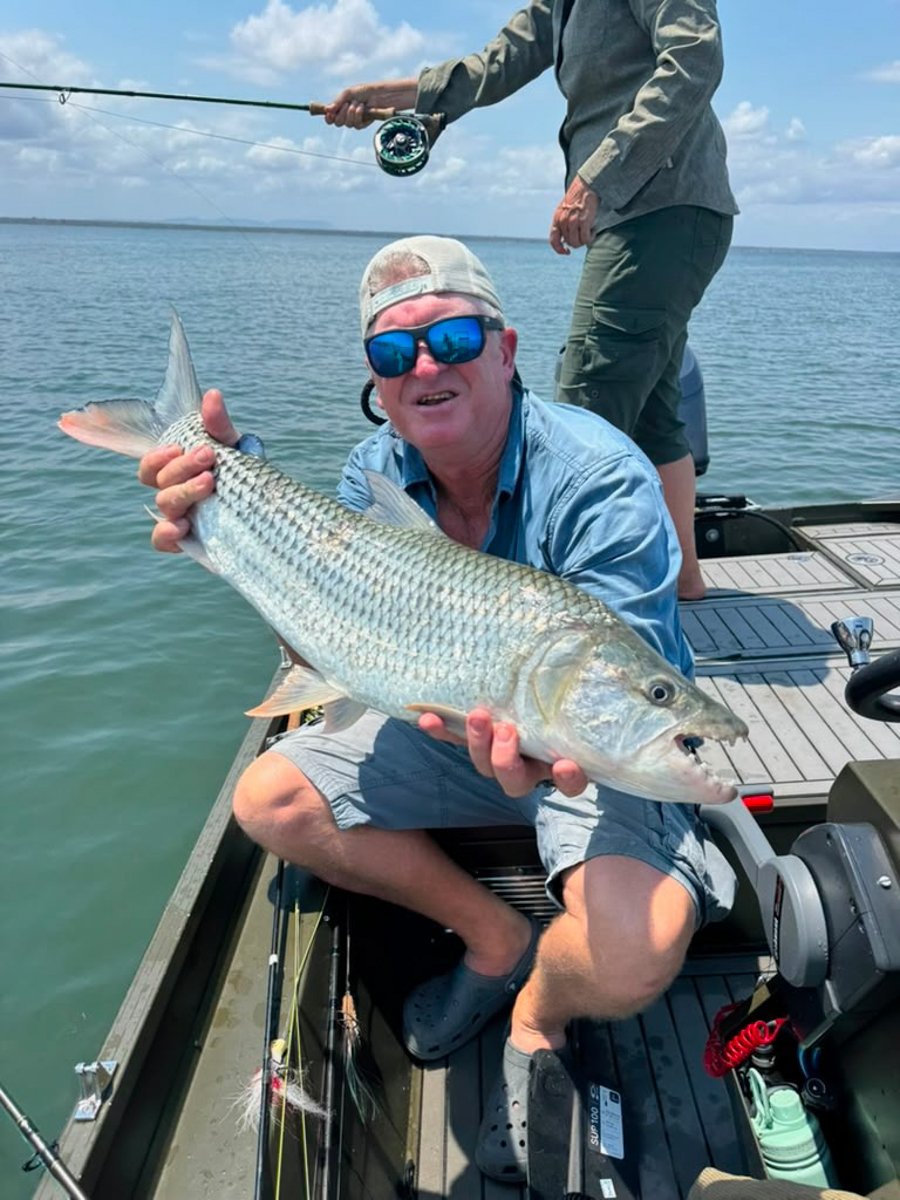
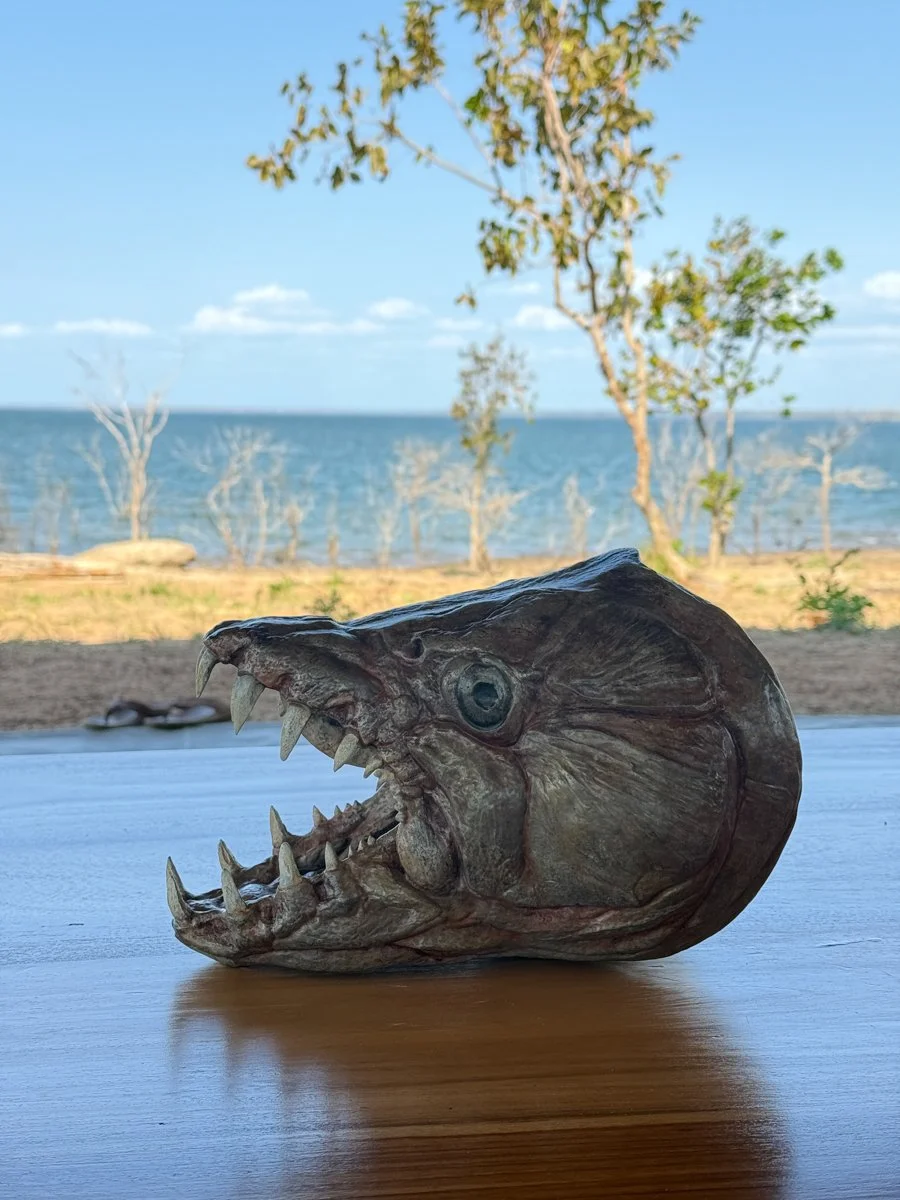
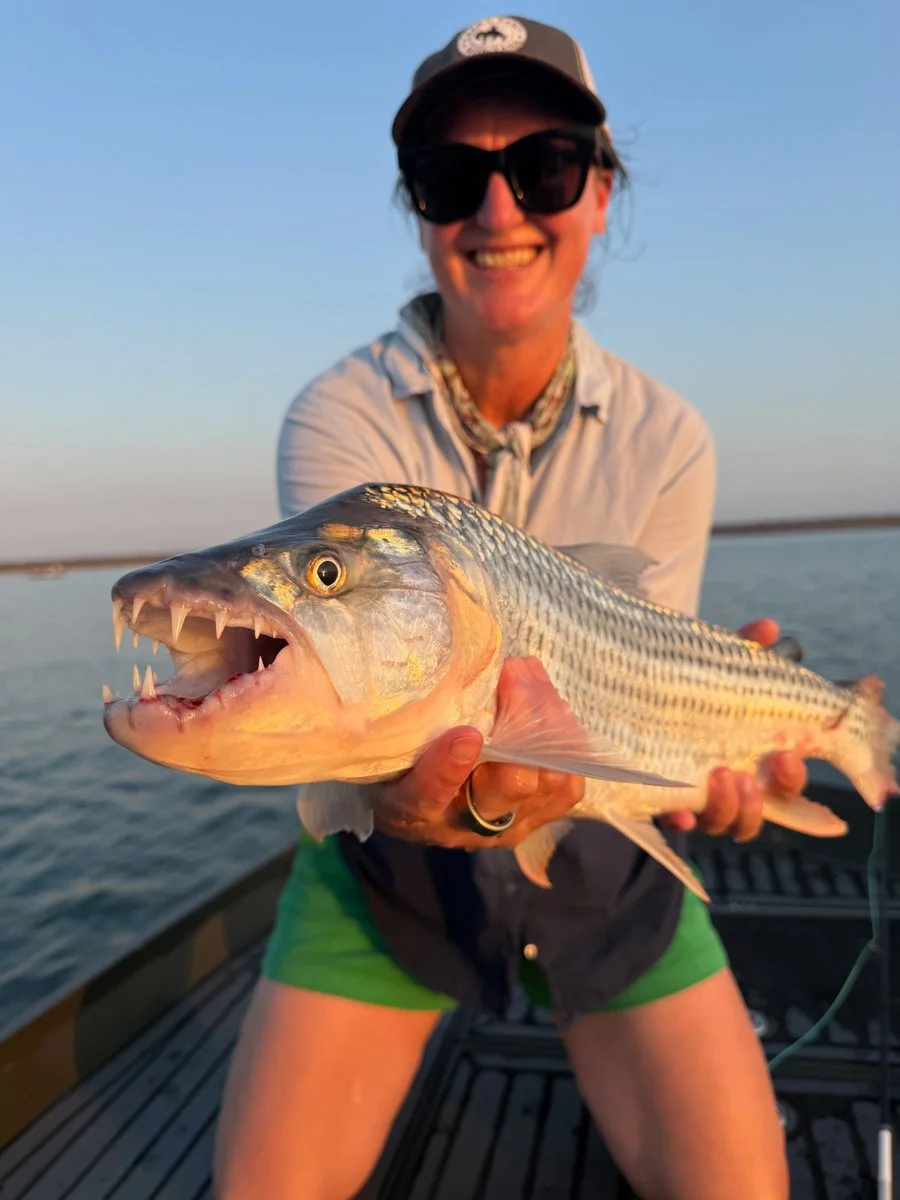
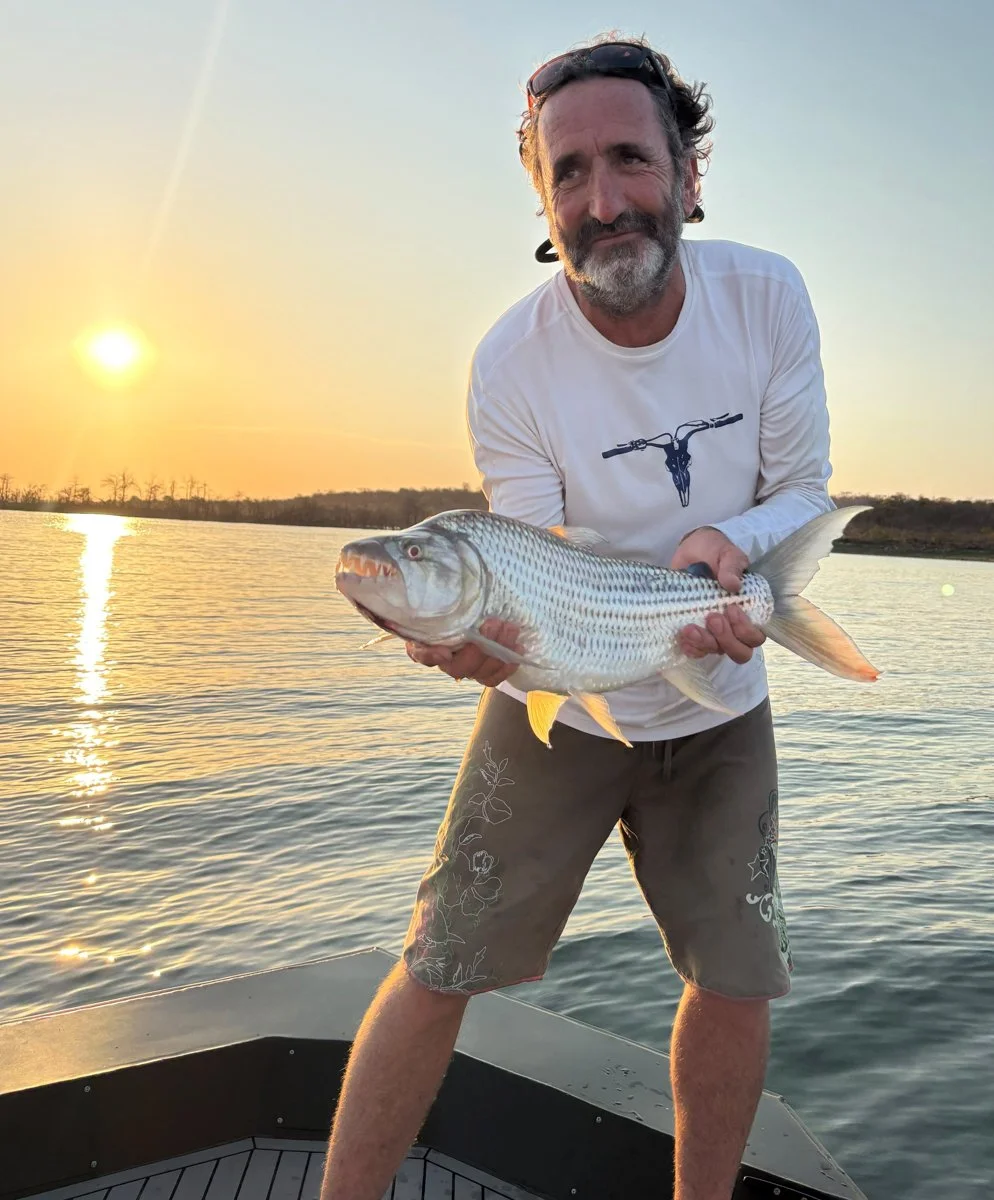
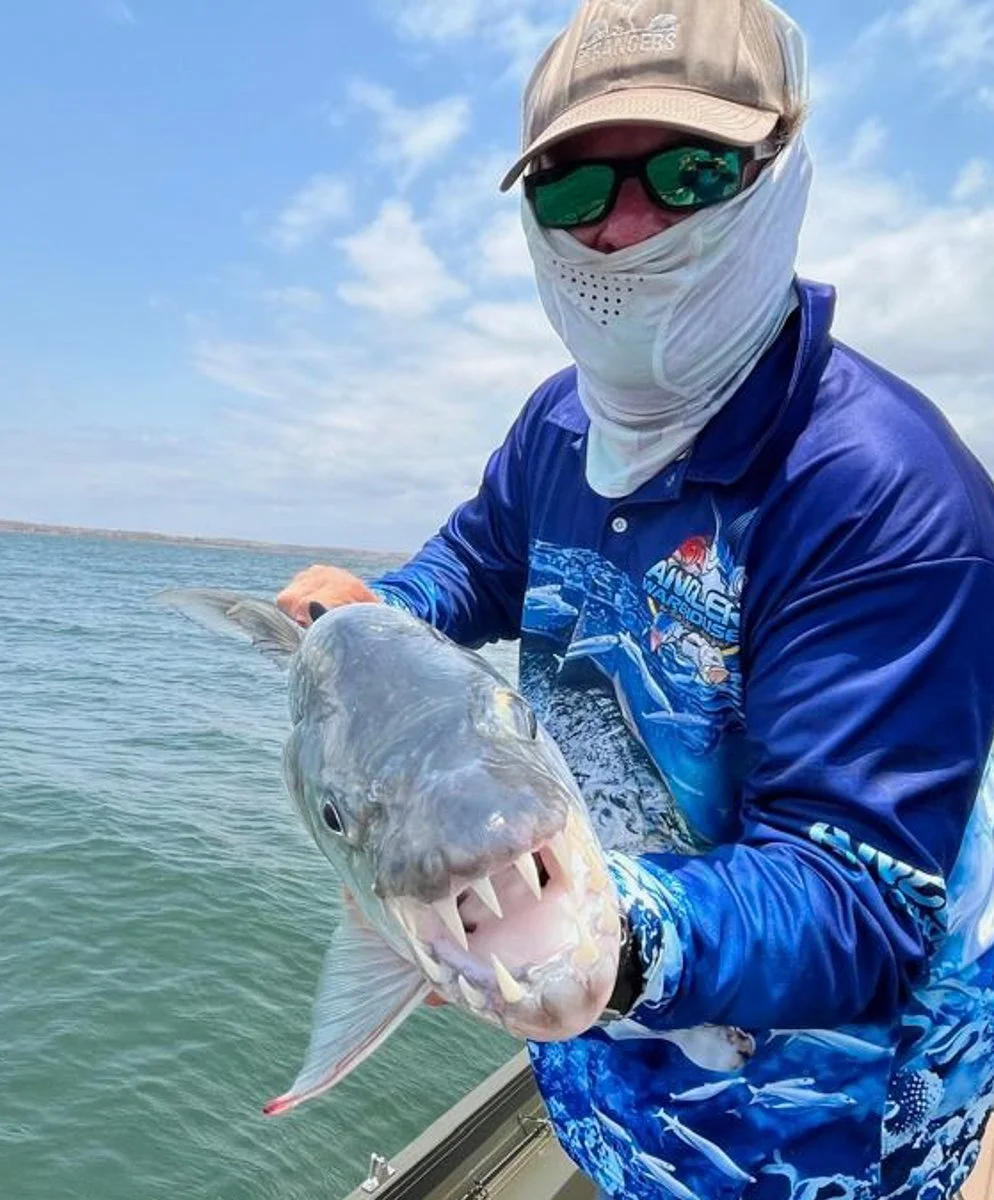
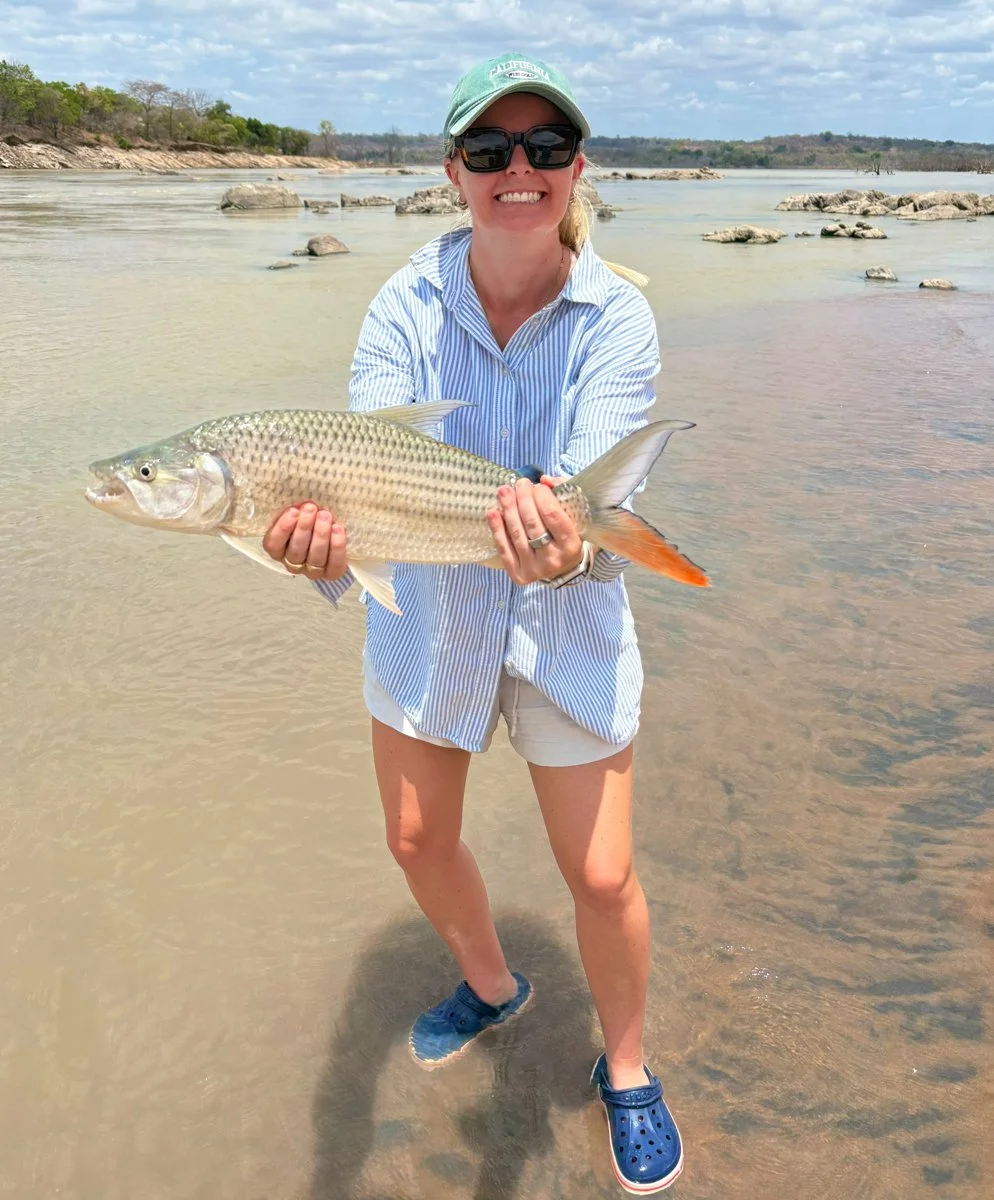
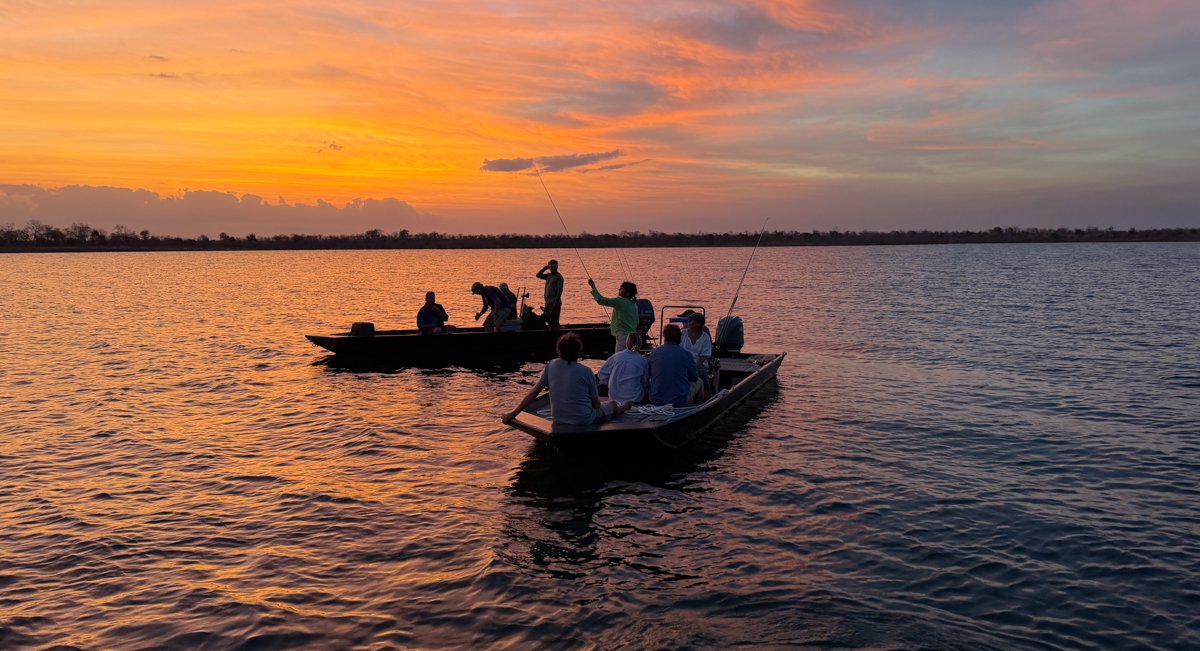
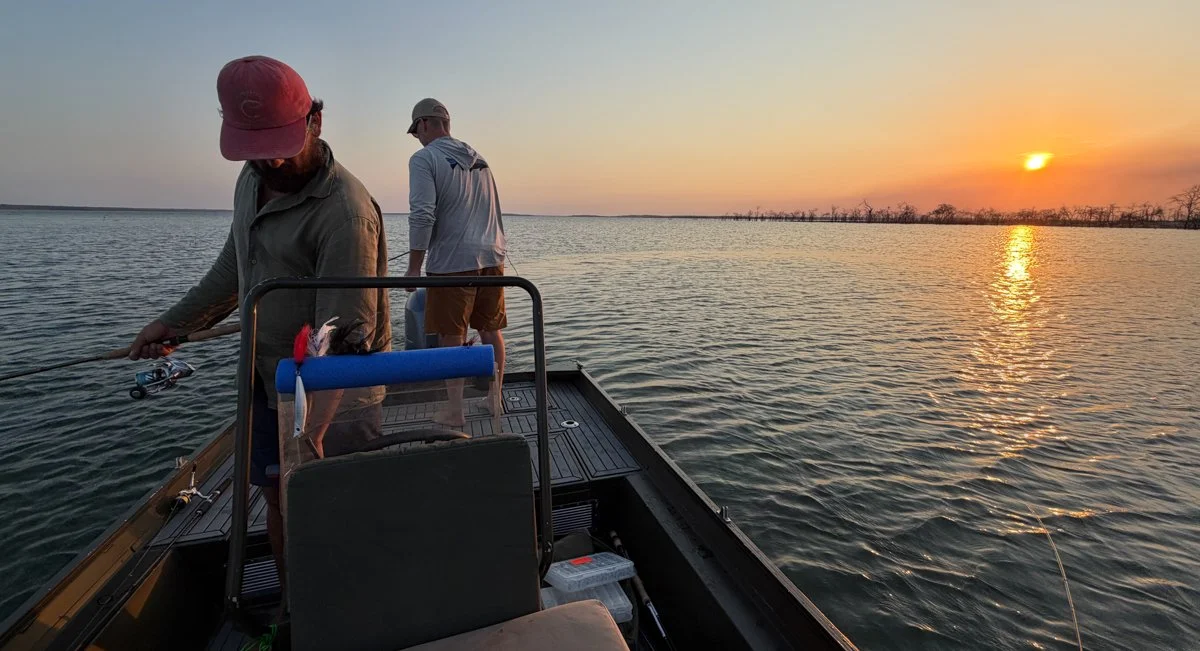
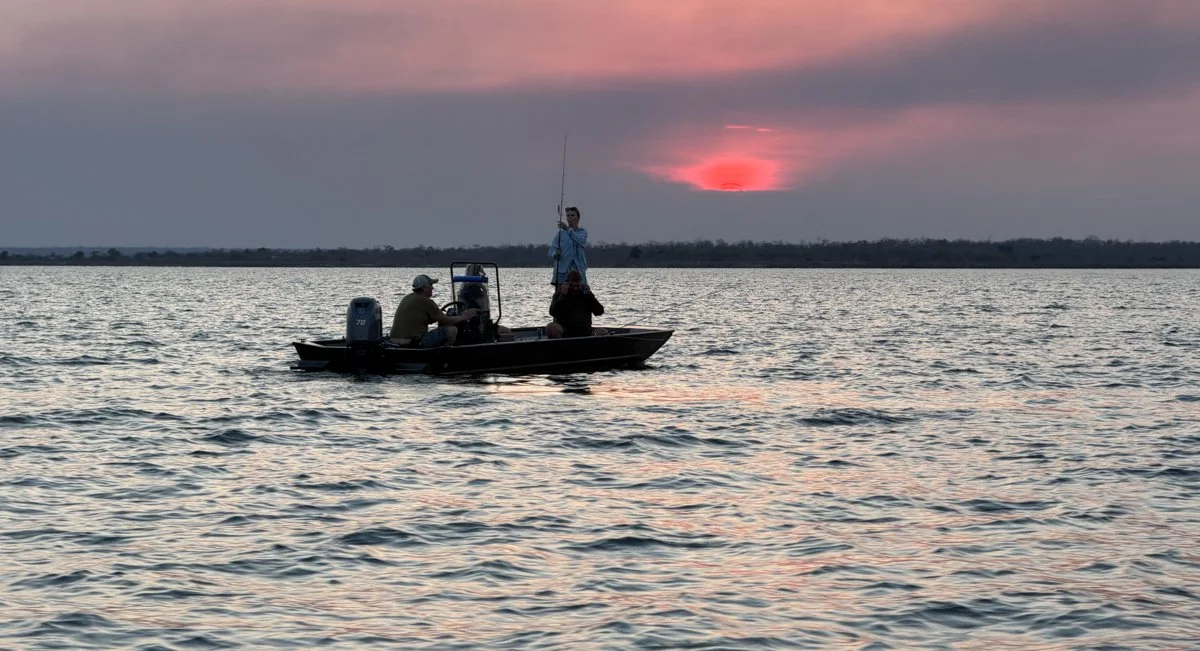
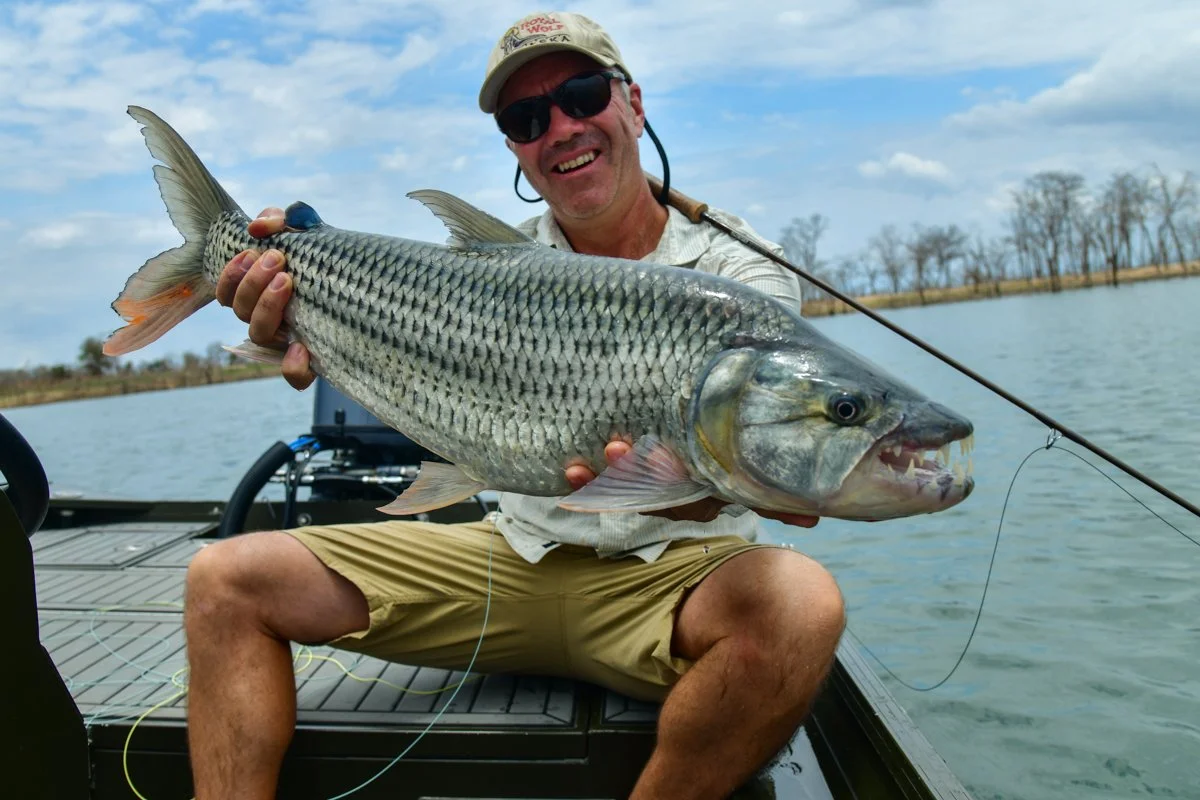
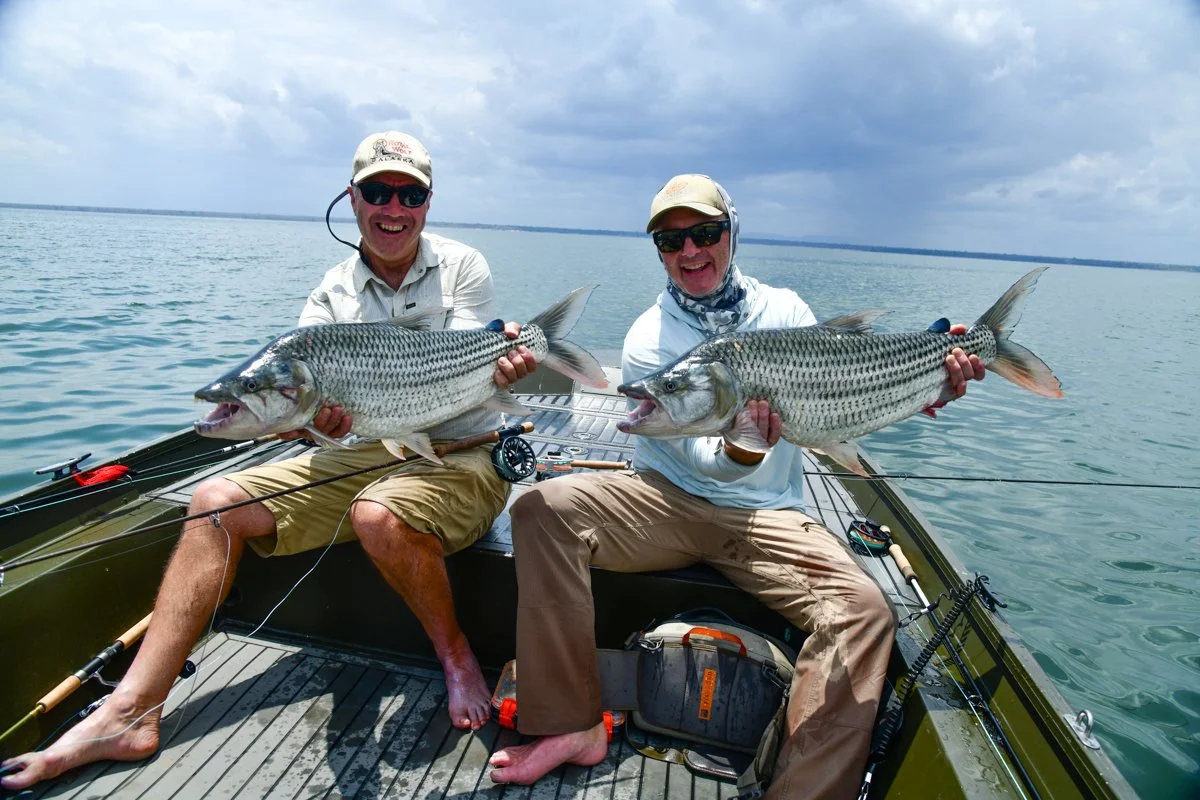
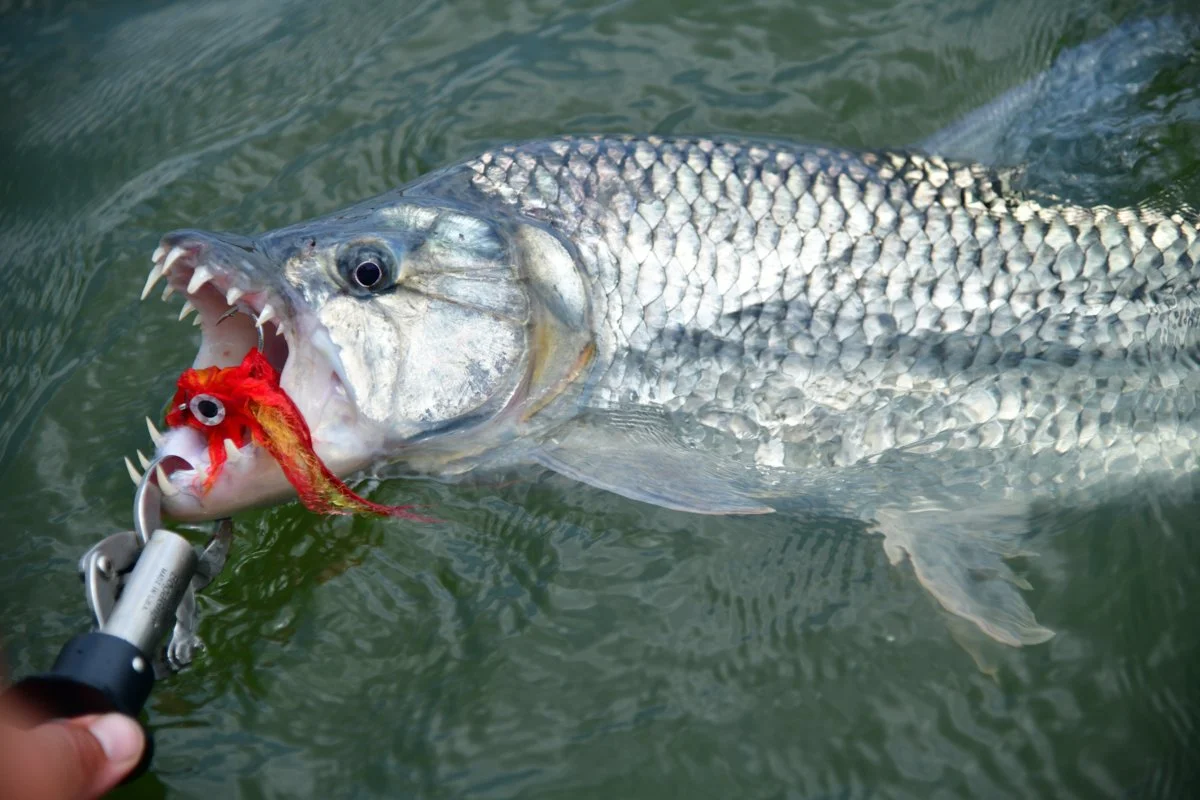
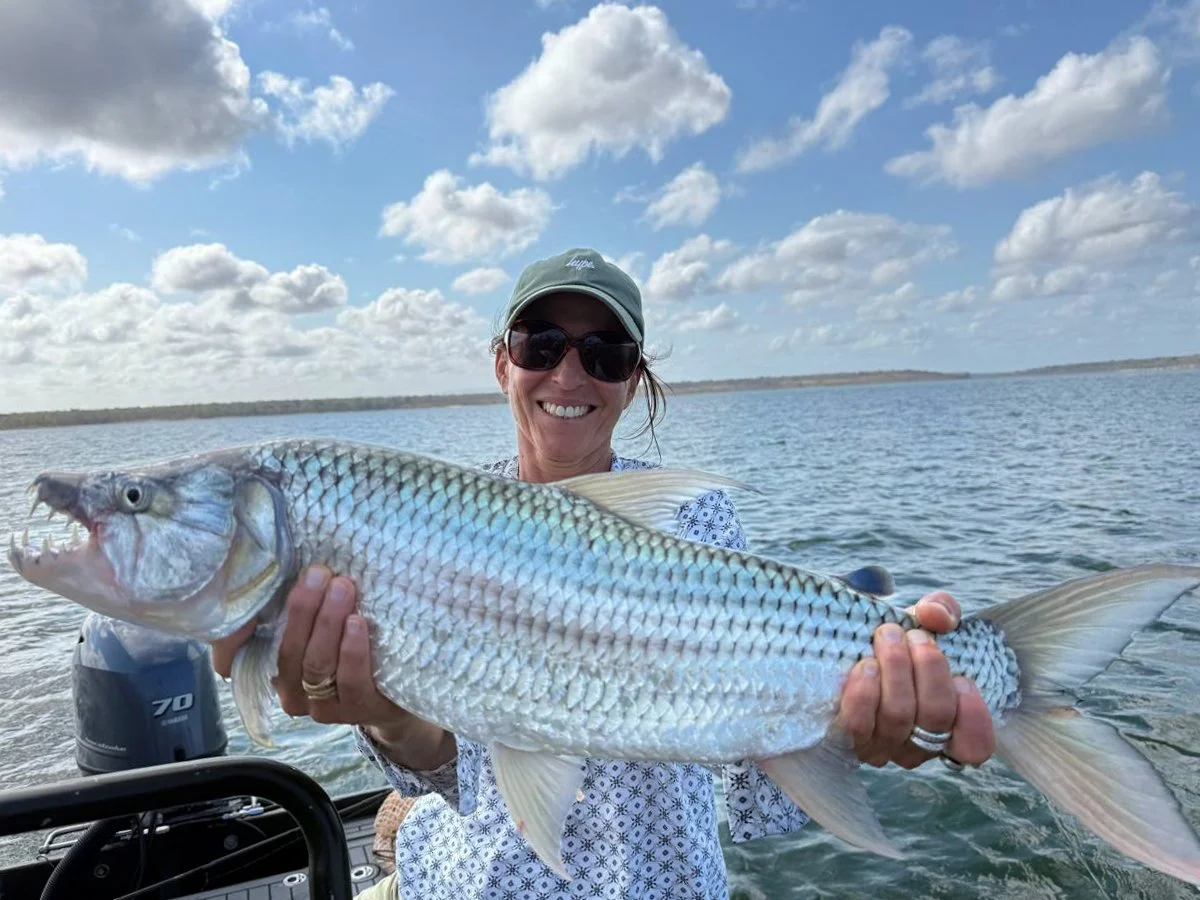
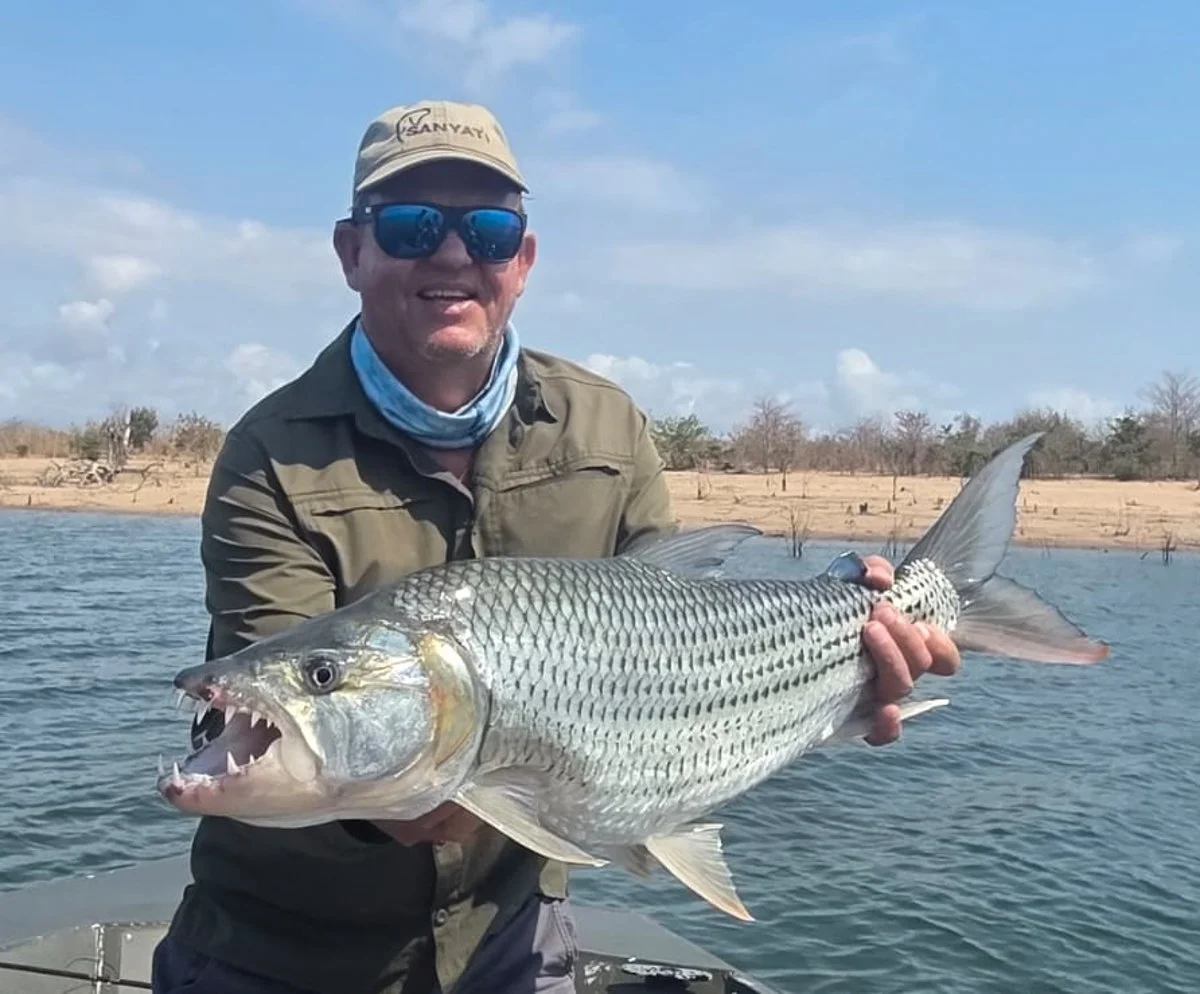
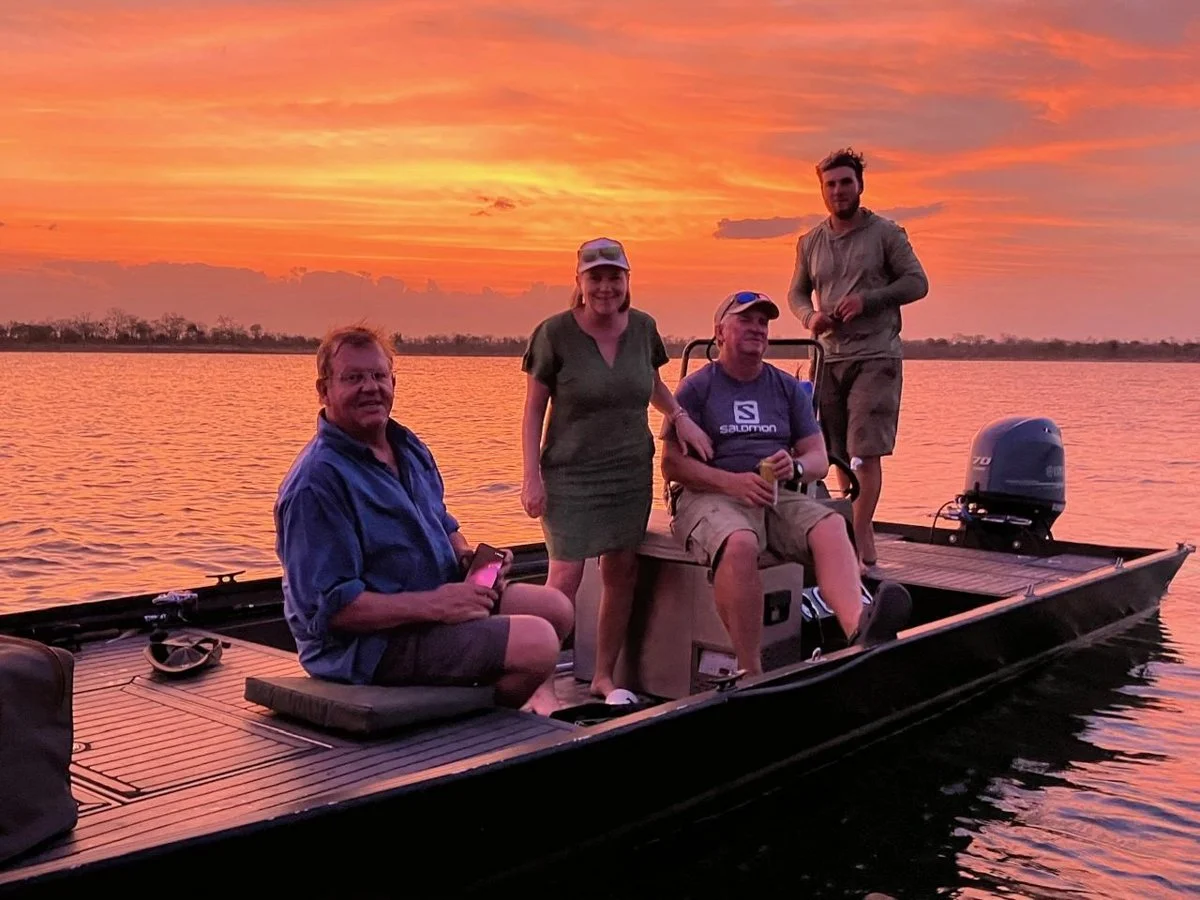
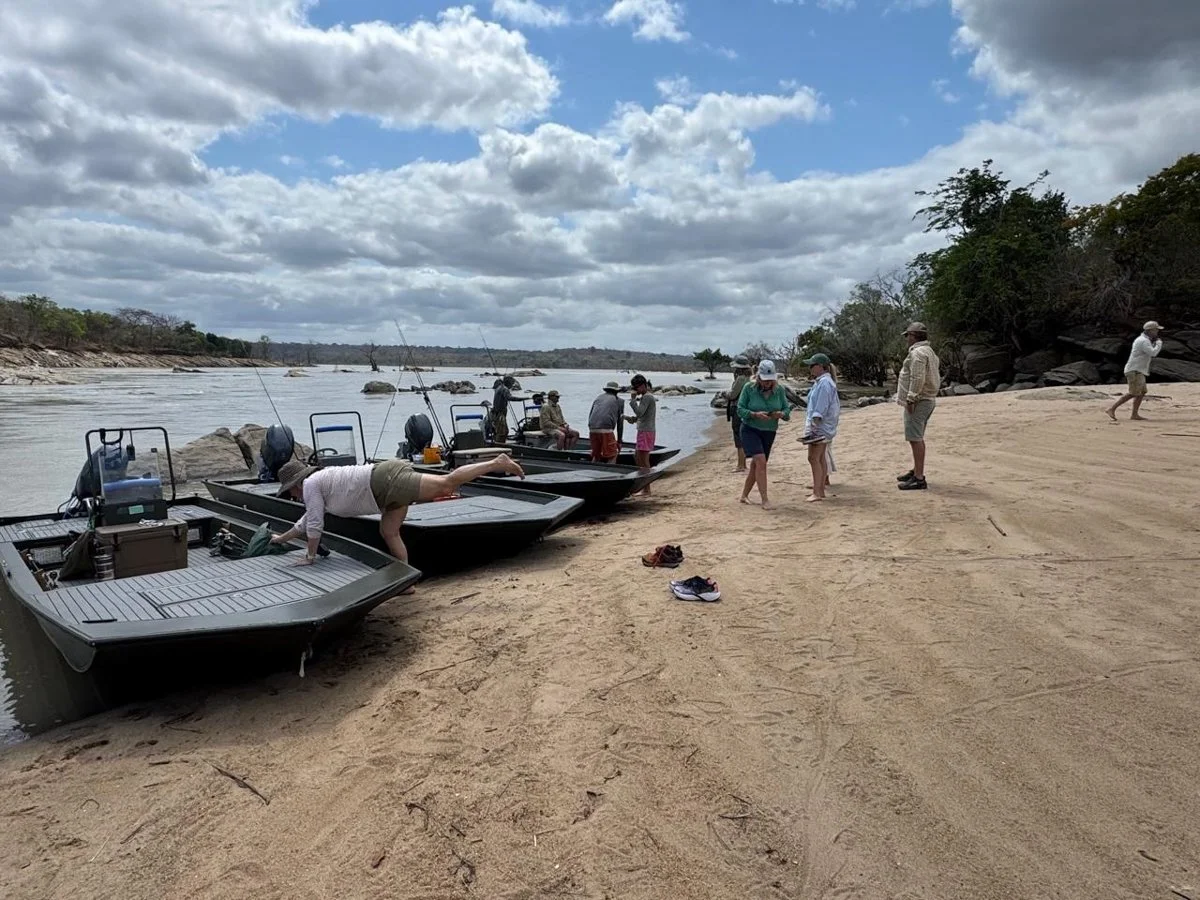
We went as a group of 12 friends, armed with both fly gear and spinning tackle. The spinning gear was very helpful for teasing fish up from depth, and we often used a hookless popper or a jig for this. Our flies (purchased from Flycatcher Flies in Kenya) were enormous and would typically only survive a fish or two before the tigers' vicious teeth ripped the threads and materials apart. The fish themselves were also an enormous challenge to release even for a seasoned guide. Despite our use of barbless hooks, good nets, Boga Grips and long pliers, the tigers were occasionally capable of swiping at a hand and inflicting some solid wounds on whoever was trying to release them. The fish were gigantic, too. The average size was about 8 lbs, and the sheer quantity of fish was beyond belief. Vundu catfish were also around in numbers and they would shark by the boat and frequently they inhaled a large popper.
We had brought intermediate lines as well as sinking tips. I tended to use my sinking tip more often, as the fish were sometimes holding at depth and needed a little encouragement to come up. Once a fish was hooked, many others would gather around the struggle, looking for an opportunity. Multiple simultaneous hookups added a kind of chaos that was great fun to unravel (never say a fisherman can't multitask!). The flies that worked best for us were large, bushy synthetic streamers, about seven inches long, with weighted dumbbell eyes. Most importantly, they needed to be tied on a decent barbless hook. We voted black and red the winning colour combination while we were there. A wire trace I particularly liked was the Rio Powerflex in 40 lb, which I tied to 40 lb mono. I found my Orvis 8-weight Helios an excellent rod for casting the large flies as well as battling the fish.
With regard to gear, I would really emphasise to anyone planning a trip that they should take the number of flies, rods, spools of mono, wire traces and lines they think they need, and then triple it. This kind of fishing is hard on equipment, and you'll be much happier if you have a few backups.
But even with a broken 8-weight that I loved since the '80s, as well as countless shredded flies and a ripped-up sinking-tip fly line, it was all well worth it. I would highly recommend this trip for anyone who loves fishing, but more importantly, loves fishing in a beautiful, wild place. A tiger-fishing expedition is an adventure in its own right, but combine it with one of our immersive walking safaris in Kenya, or even a climb up a big icy mountain, and you have the makings of a truly unforgettable African adventure.
Photos by Isabelle, Karina, Amory, Jamie, Kerry, Mark, Chris, Billy, Anita, Charlie, Libby, and Nick