

Olney Safari
18th December to 3rd January 2026/7
18th December: Jamie and Kerry’s at Burguret Kenya (Near Nanyuki / Mt Kenya)
On arrival into Jomo Kenyatta International Airport you will be met by one of our drivers and begin the journey north towards Burguret and Kerry and Jamie’s home on the forested lower slopes of Mount Kenya. The drive takes roughly three and a half hours, climbing steadily out of Nairobi and through the rich agricultural heartlands of central Kenya. En route you pass rolling coffee and tea country, neat smallholdings lined with banana trees and eucalyptus, bustling roadside markets, and expansive views towards the highlands. As you approach Nanyuki the air cools and, on a clear day, the peaks of Mount Kenya often emerge dramatically above the surrounding forests and patchwork farms. Burguret itself is a lush and peaceful corner of the mountain, known for its streams, towering indigenous trees, and wonderfully fertile countryside — a good place to unwind after an international flight and settle gently into the rhythm of Kenya.
19th - 20th December: Burguret to Tumaren Camp
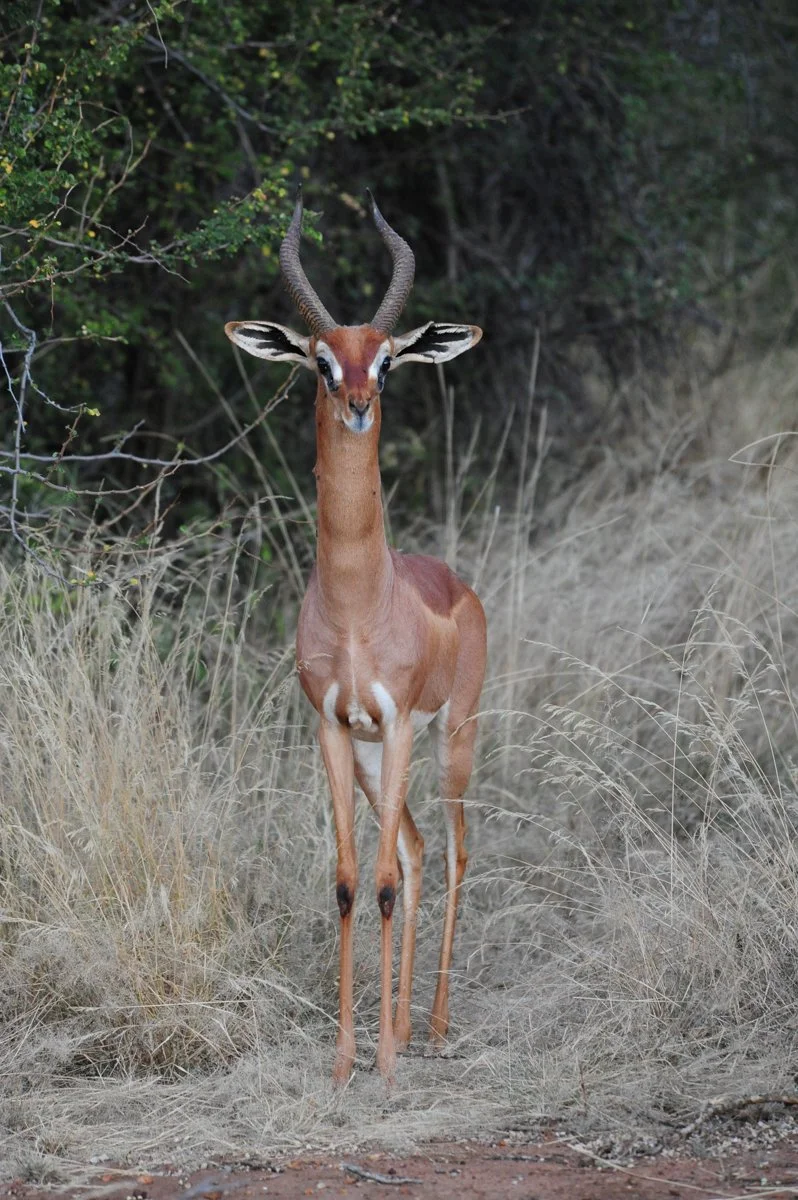
After breakfast in Burguret you will drive north across the Laikipia Plateau to Tumaren Camp, a journey of roughly three hours through some of Kenya’s most beautiful rangeland country. The landscape changes steadily as the greener highlands give way to wide open acacia plains, granite kopjes, and big skies stretching towards the Matthews Range and northern frontier country. Wildlife sightings often begin long before reaching camp, with zebra, giraffe, elephant, gerenuk and oryx all common sightings along the way.
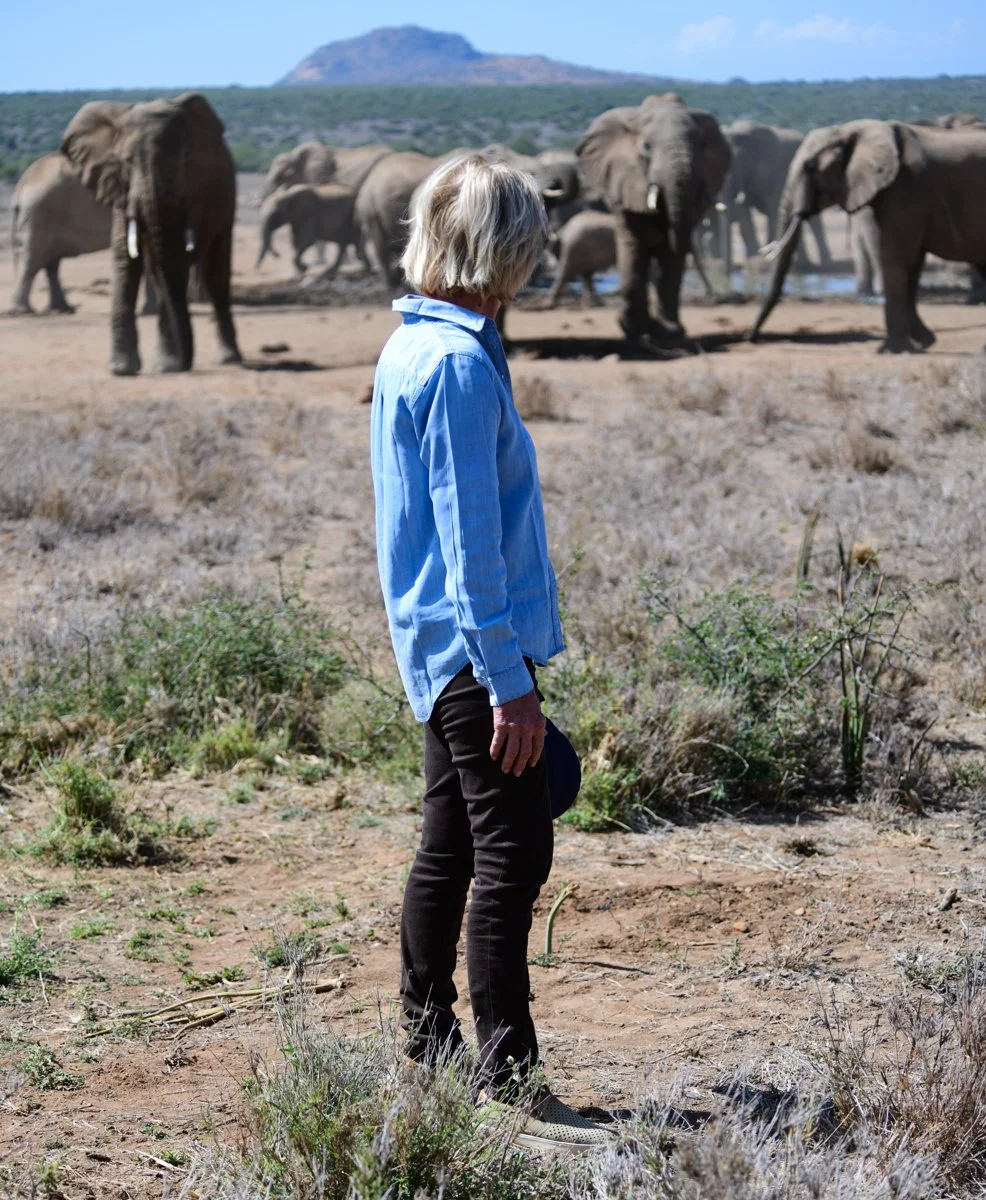
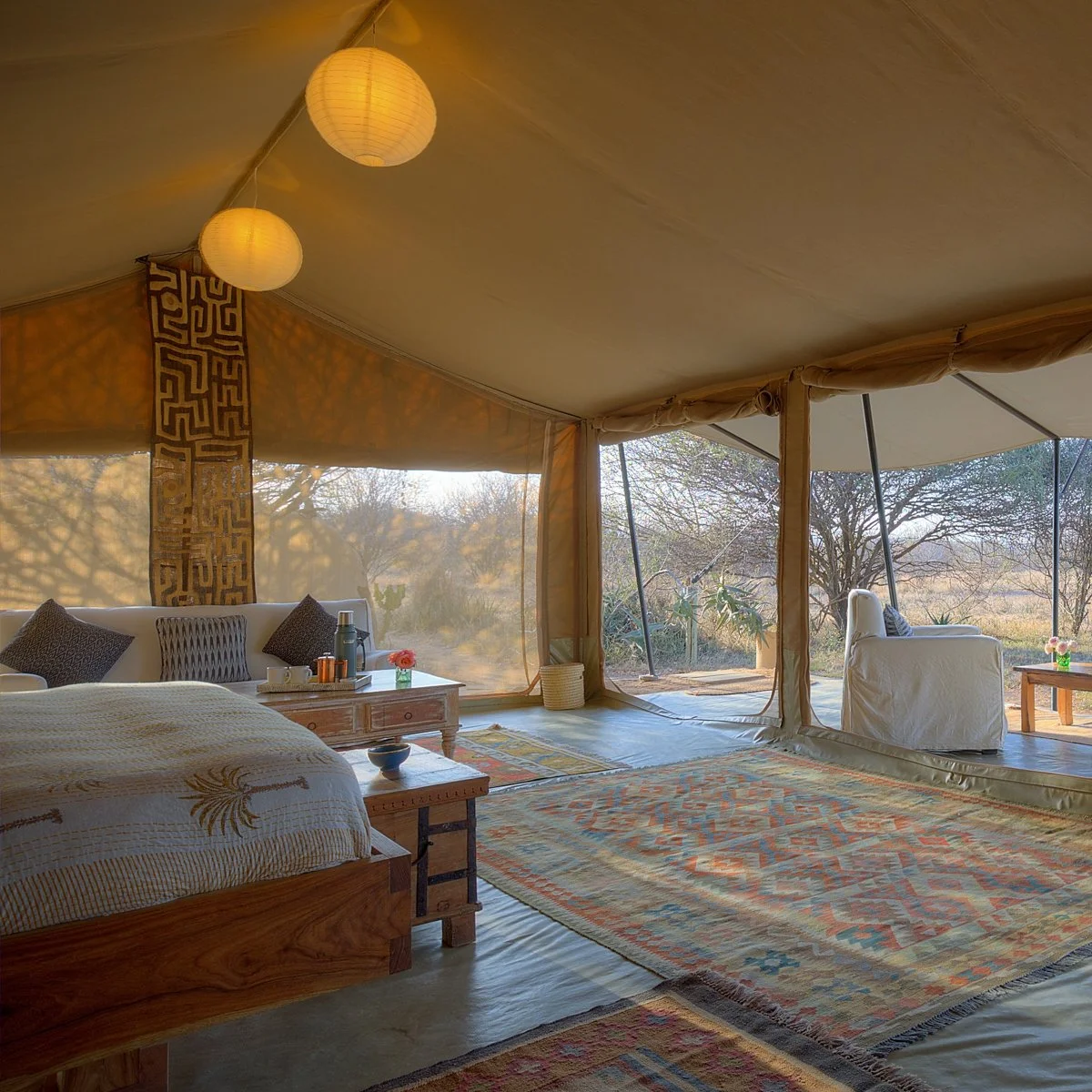
You will spend two nights at Tumaren with Jamie and Kerry, whose home sits beside a natural salt lick that draws in a remarkable variety of wildlife throughout the day and night. Elephants often arrive quietly at dusk, while zebra, giraffe, eland, Impala and others visit throughout the day. After dark, the camp comes alive with the sounds of the bush — lion may sometimes be heard calling in the distance, while leopard, hyena and other predators regularly patrol the surrounding wilderness.
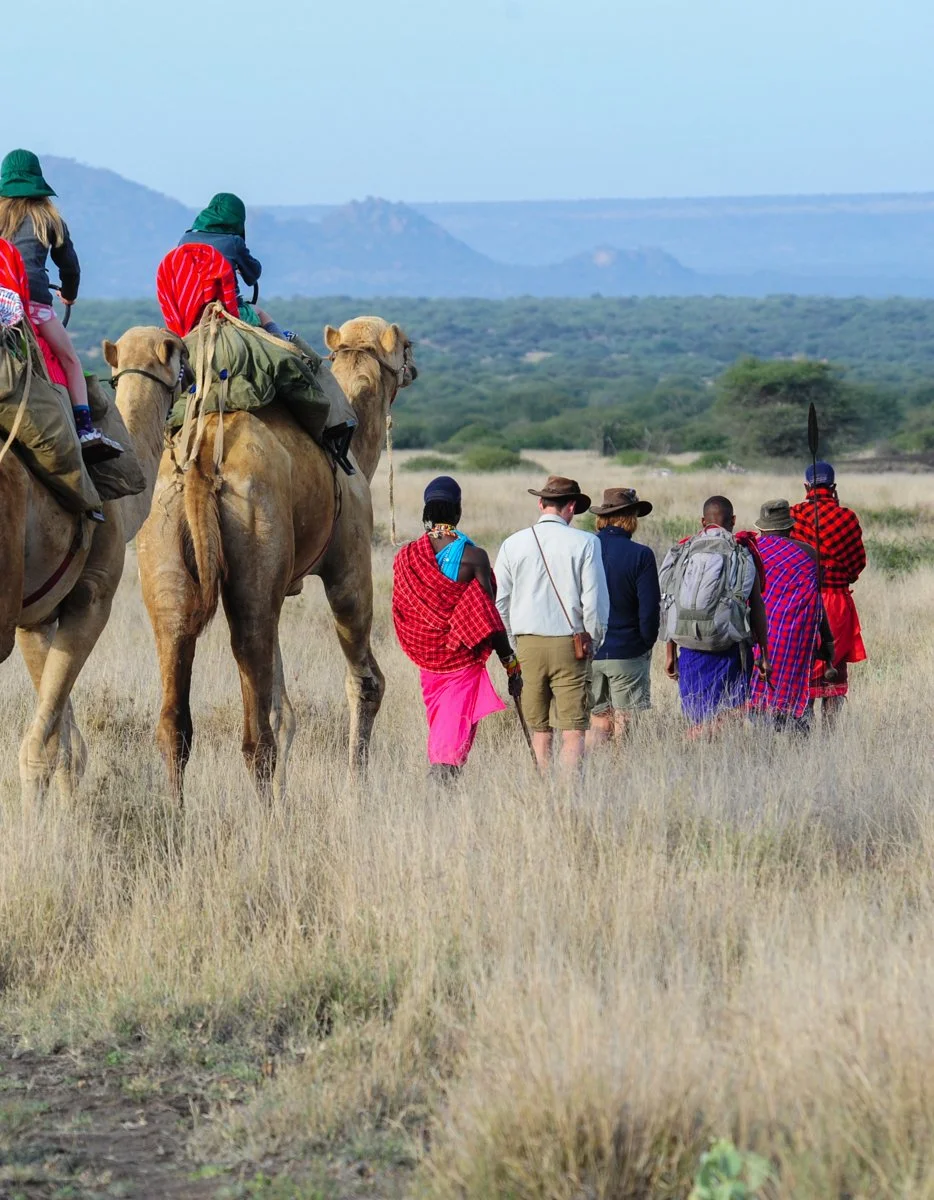
The days here are intentionally flexible and shaped around your interests and energy levels. Mornings and evenings are usually spent out in the field, perhaps walking with camels across the conservancy, tracking wildlife with our finest naturalists and guides, scrambling up granite kopjes, mountain biking across the open plains, or simply exploring the extraordinary ecology of the area on foot. Camels can accompany all walks, carrying refreshments and adding to the sense of unhurried exploration that defines this landscape.
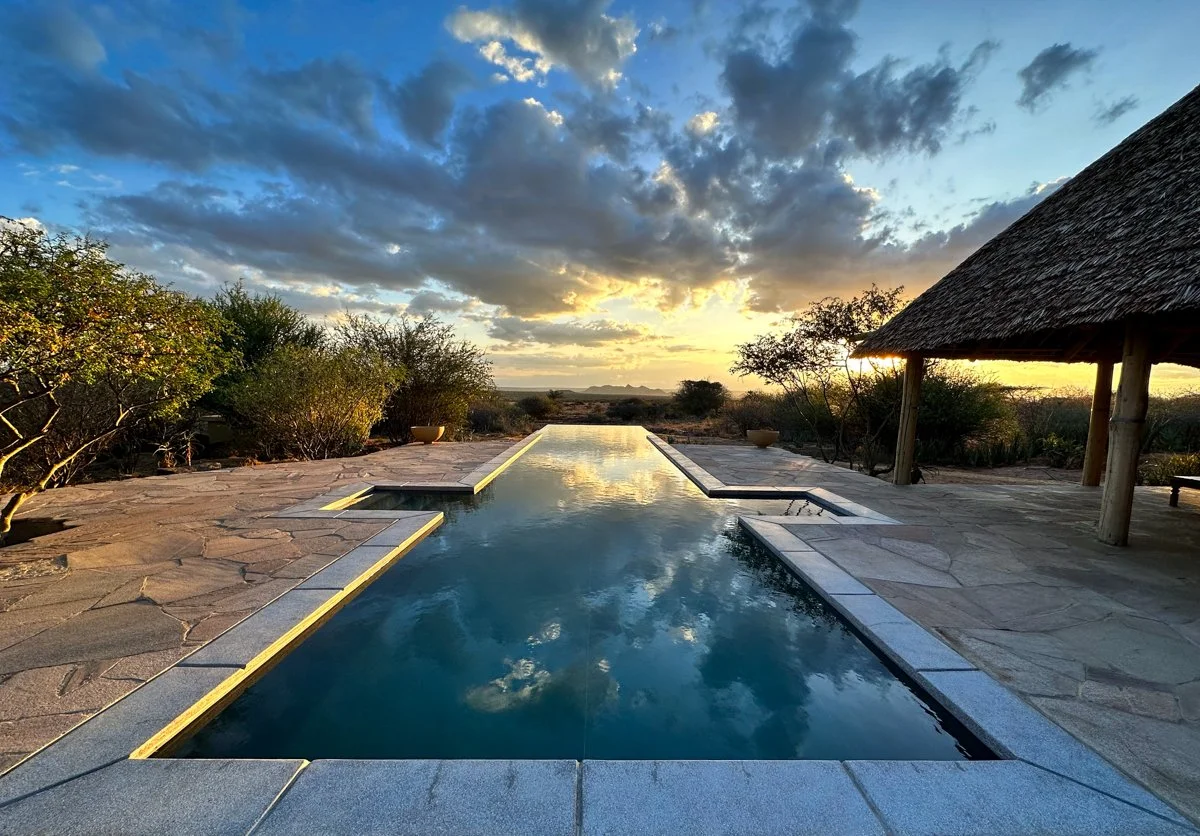
In the middle of the day, when the light softens and the heat settles in, Tumaren is a wonderful place to pause. A long lunch, a cold beer or a glass of Pimms beside the pool, followed by a short siesta or a good book beneath the trees, is very much part of the rhythm here before heading back out again in the cool of the late afternoon.
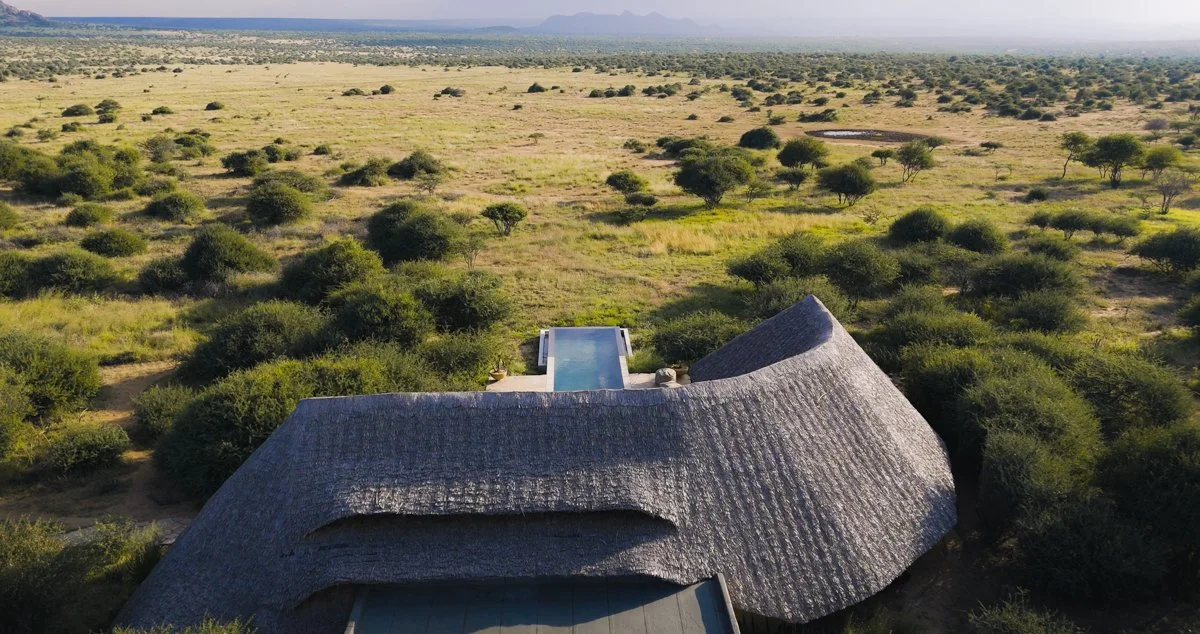
Tumaren CAMP, laikipia
2 Nights
20th to 22nd December: Karisia Walking Safaris, Laikipia
After your time at Tumaren Camp you will head out on one of our camel-supported mobile walking safaris, the style of journey that first inspired Karisia Walking Safaris many years ago. Rather than experiencing the bush from a vehicle, these safaris unfold slowly and intimately on foot, allowing you to absorb the sounds, smells and subtleties of the landscape in a way that is impossible from behind a windscreen.
A typical day begins before sunrise with coffee or tea brought to your tent, followed by a relaxed breakfast around the fire as the camels are loaded and the camp quietly dismantled behind the scenes. Accompanied by expert local guides and trackers, you will set out into the cool morning light, walking through a constantly changing mosaic of acacia woodland, grassy plains, rocky kopjes and seasonal rivers. The camels carry the main camp and luggage, while a few riding camels often accompany the walk for those wishing for a different perspective or simply a rest along the way.
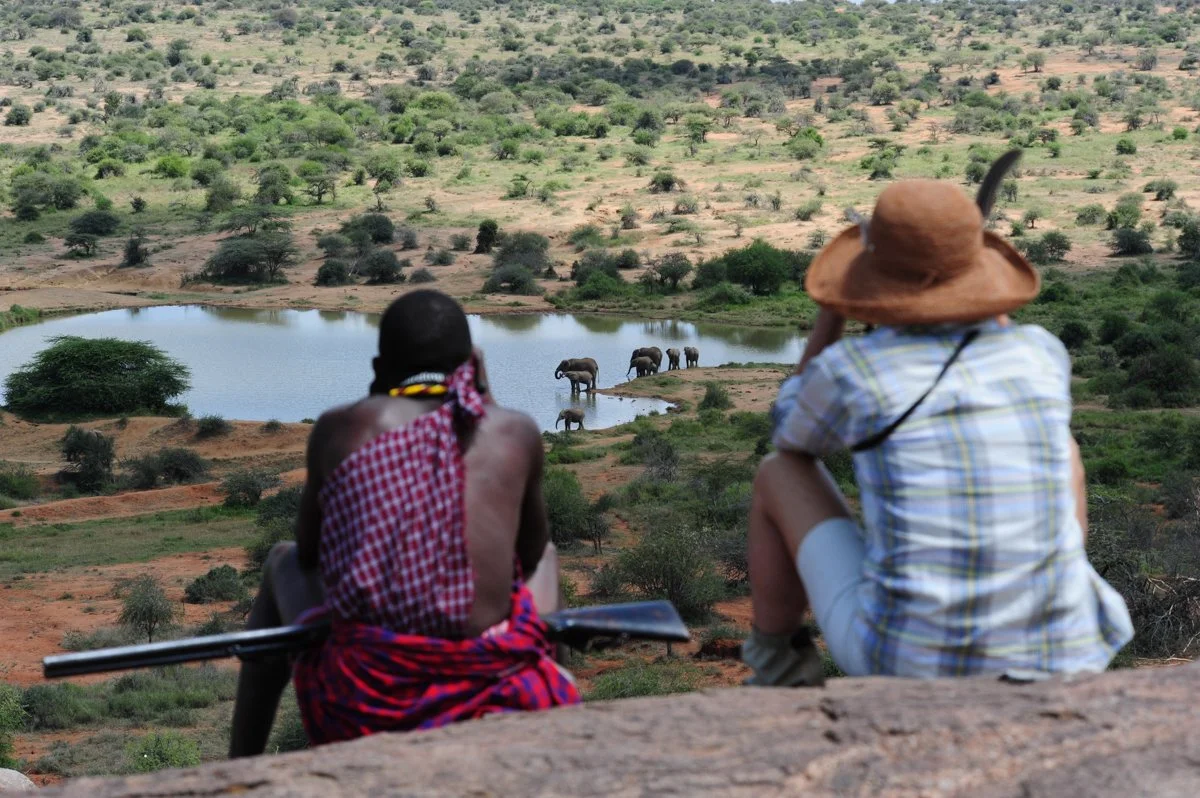
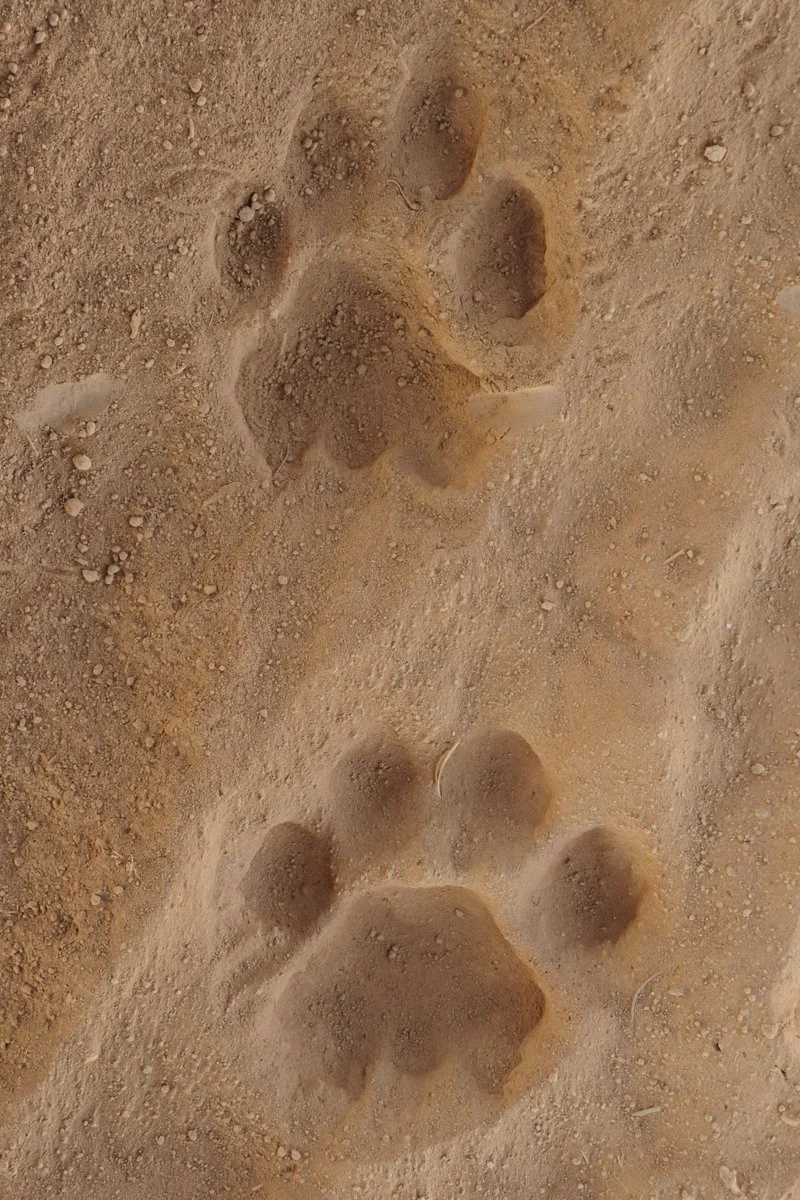
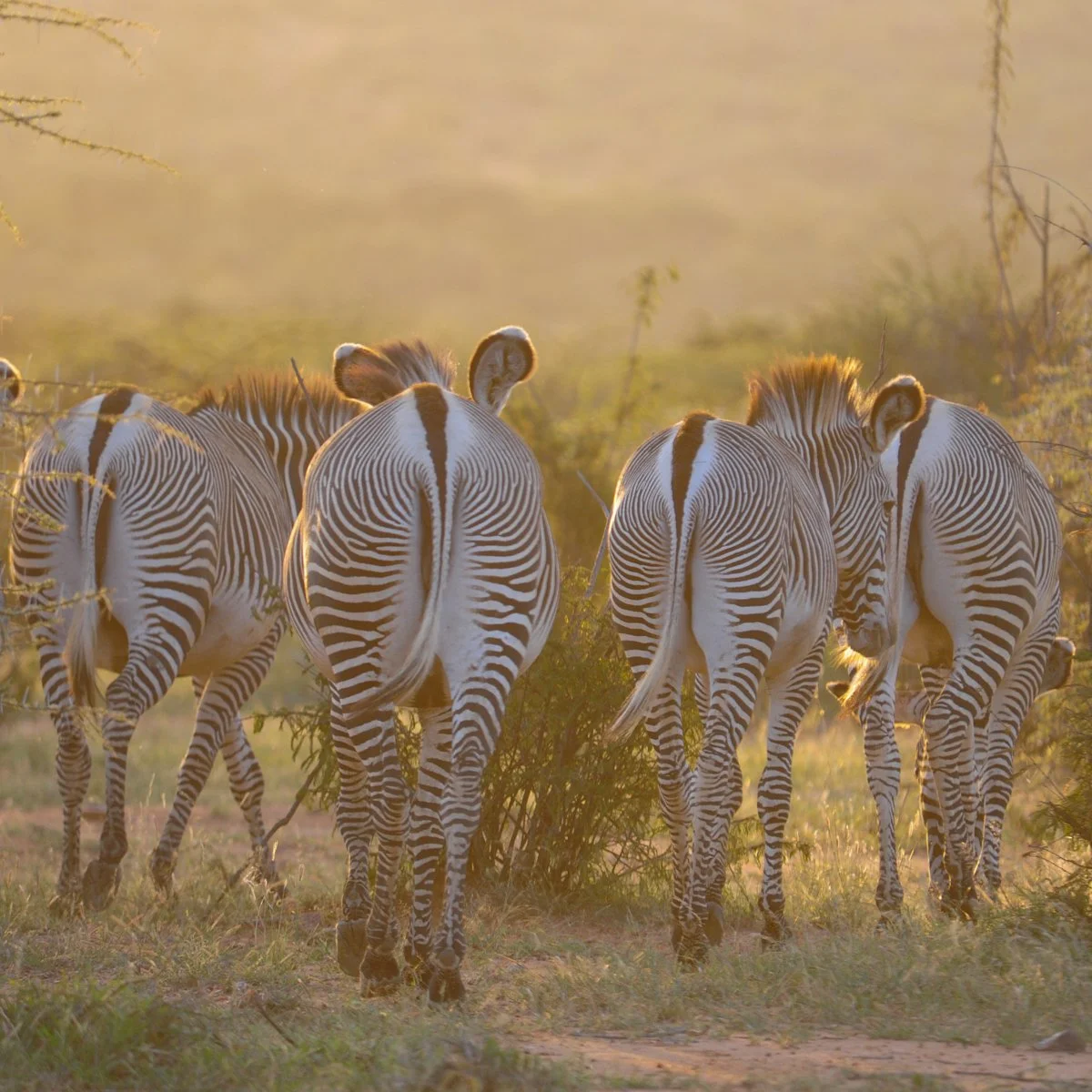
Walking safaris are as much about understanding the bush as simply seeing wildlife. You may spend time tracking elephant or lion, learning to identify bird calls, studying plants and their traditional uses, or sitting quietly above a watercourse watching giraffe, zebra, oryx or Grevy’s zebra move through the landscape below. The pace is entirely flexible and tailored to the group, with plenty of time to stop, photograph, explore and enjoy the extraordinary detail of northern Kenya on foot.
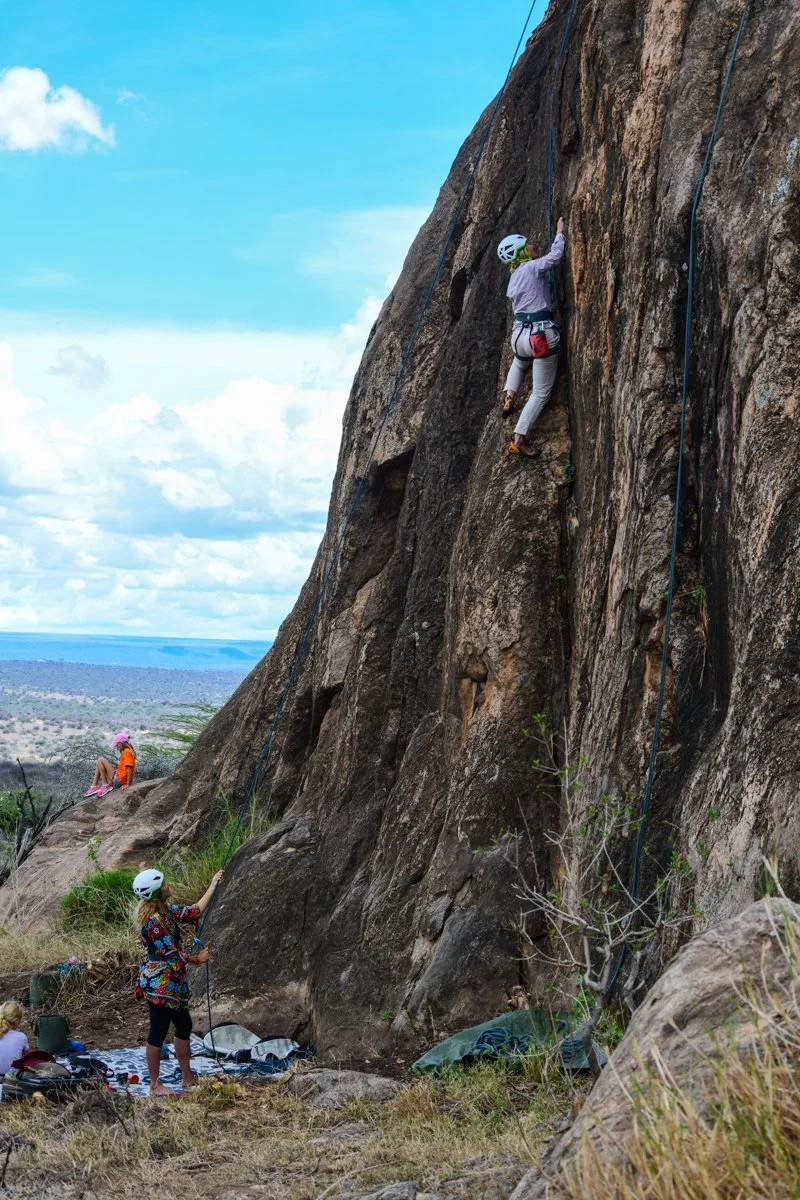
By late morning you will usually arrive in camp to find it already beautifully prepared beneath shady trees or beside a river or rocky hillside. A cold drink and an excellent lunch await, followed by time to swim, read, doze in the shade or simply watch the camels browsing nearby. In the late afternoon there is often the option of another shorter walk, sundowners on a granite outcrop, or perhaps a little rock climbing before returning to camp for hot showers, drinks around the fire and dinner beneath the stars.
At the conclusion of your walking safari you will be met after breakfast and driven back south towards Burguret on the lower slopes of Mount Kenya, where you will spend a further two nights.


23rd to 24th December: Burguret
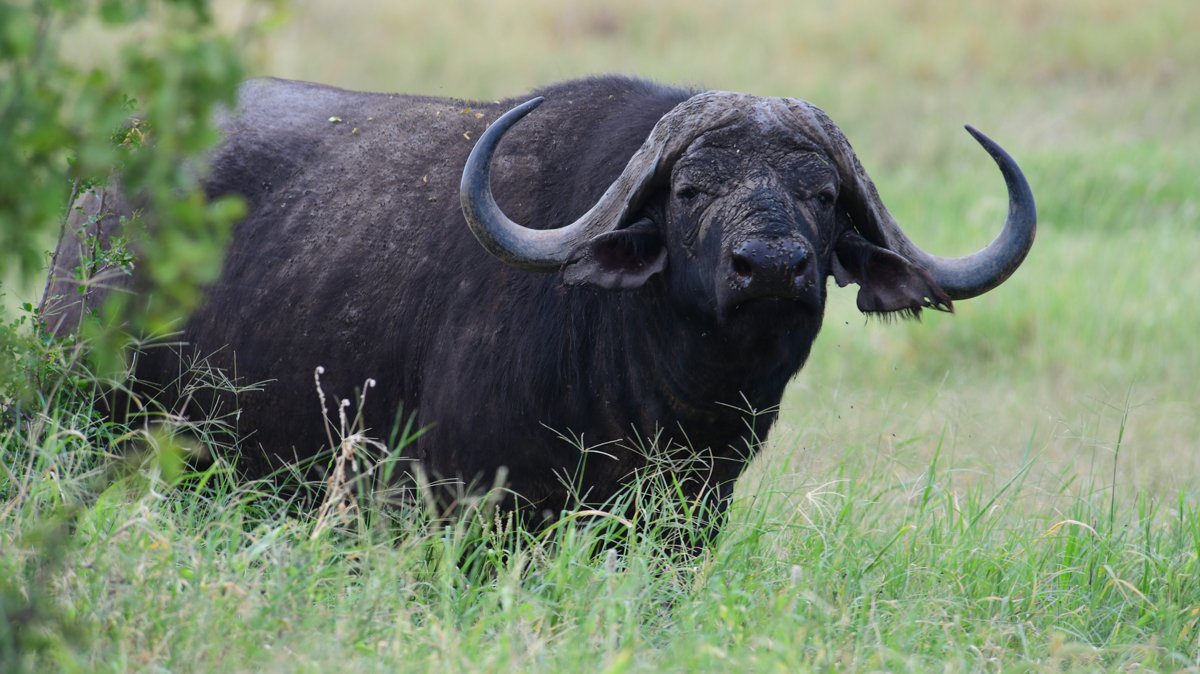
During your time back in Burguret we may also venture into Aberdare National Park, a dramatically different ecosystem from the dry northern plains you will have been exploring on foot. The Aberdares are a cool, misty highland wilderness of giant bamboo forests, waterfalls, deep ravines and moorland stretching across the central Kenyan highlands. This remarkable mountain park is home to forest elephant, buffalo, giant forest hog, leopard and the elusive bongo antelope, while the dense canopy and crystal streams create an atmosphere that feels almost primeval after the open country of Laikipia. Exploring the forest tracks and viewpoints offers a fascinating contrast to the northern rangelands and another glimpse into the extraordinary ecological diversity of Kenya.
Meru National Park
24th - 26th December : Rhino River Camp Meru National Parlk
On the morning of 24th December you will depart Burguret and drive east towards Rhino River Camp, tucked into the lush riverine forests on the edge of Meru National Park. The journey takes you from the cool highlands around Mount Kenya down through changing agricultural landscapes and into the warmer, wilder country of eastern Kenya, arriving in time for lunch and an afternoon to settle into camp.
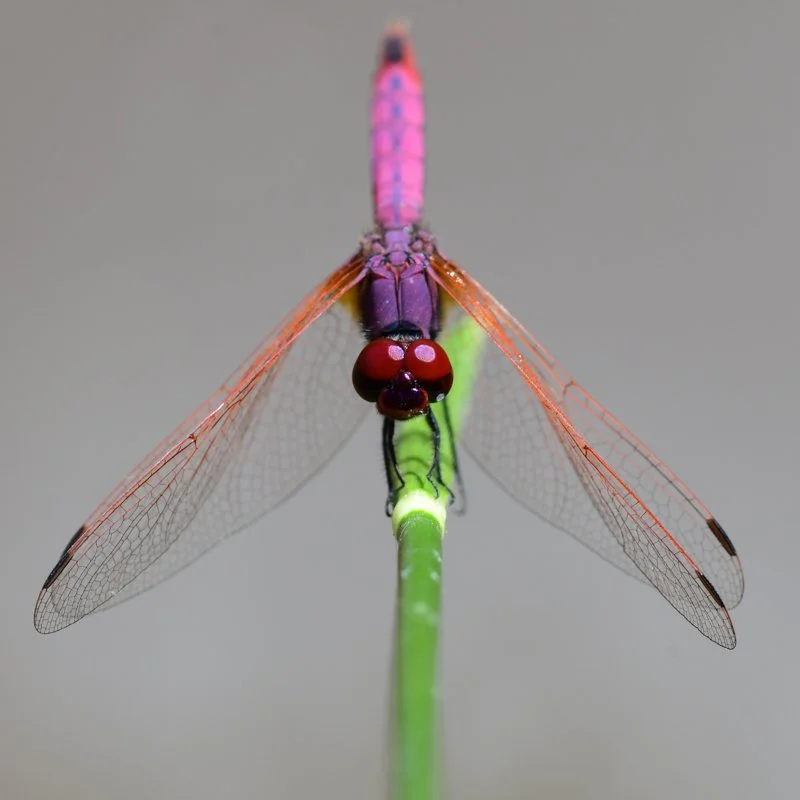
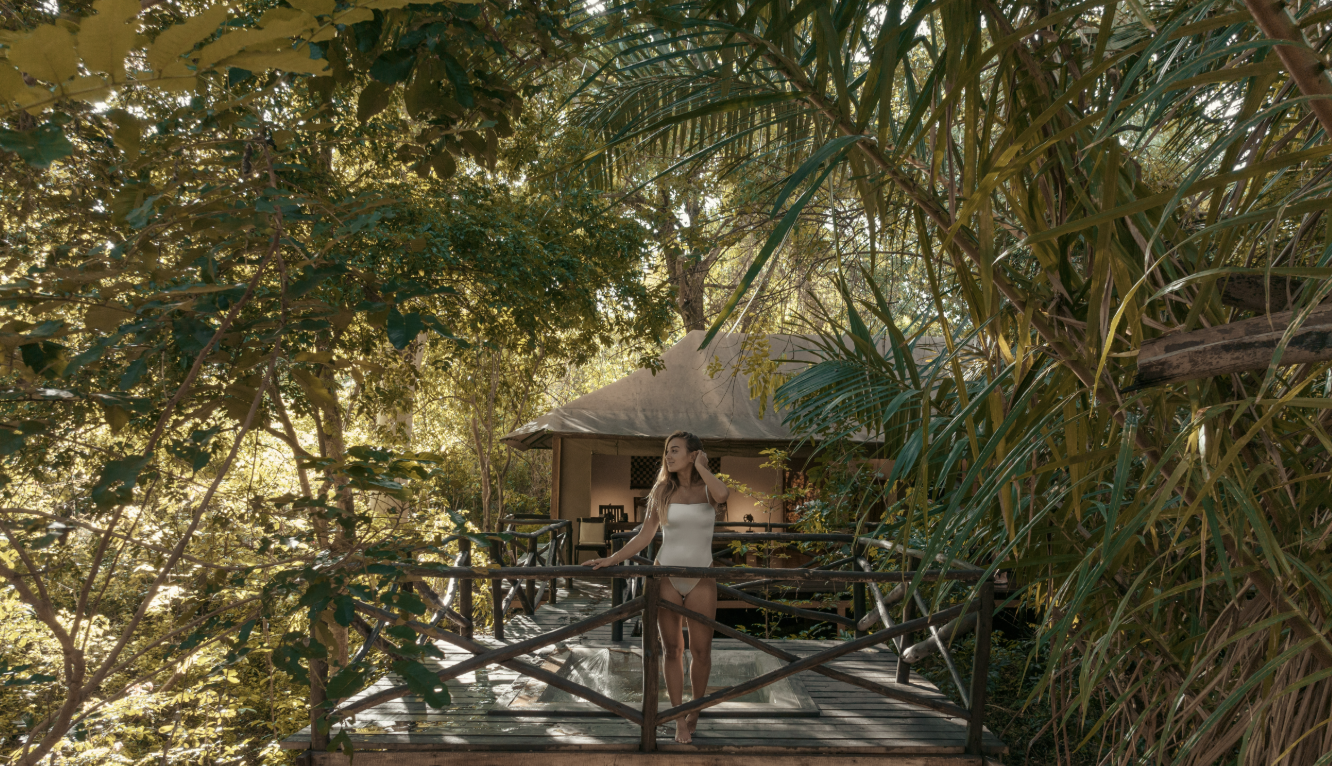
Rhino River Camp is a peaceful and beautifully positioned lodge built along the banks of the Kindani River, shaded beneath thick indigenous forest alive with birdsong and the sound of flowing water. The atmosphere here is wonderfully relaxed and intimate, with spacious cottages and elevated walkways hidden amongst the trees, giving the feeling of being immersed in the forest itself. Colobus and Sykes monkeys are frequently seen around camp, while birdlife is exceptional, particularly in the cooler mornings and evenings.
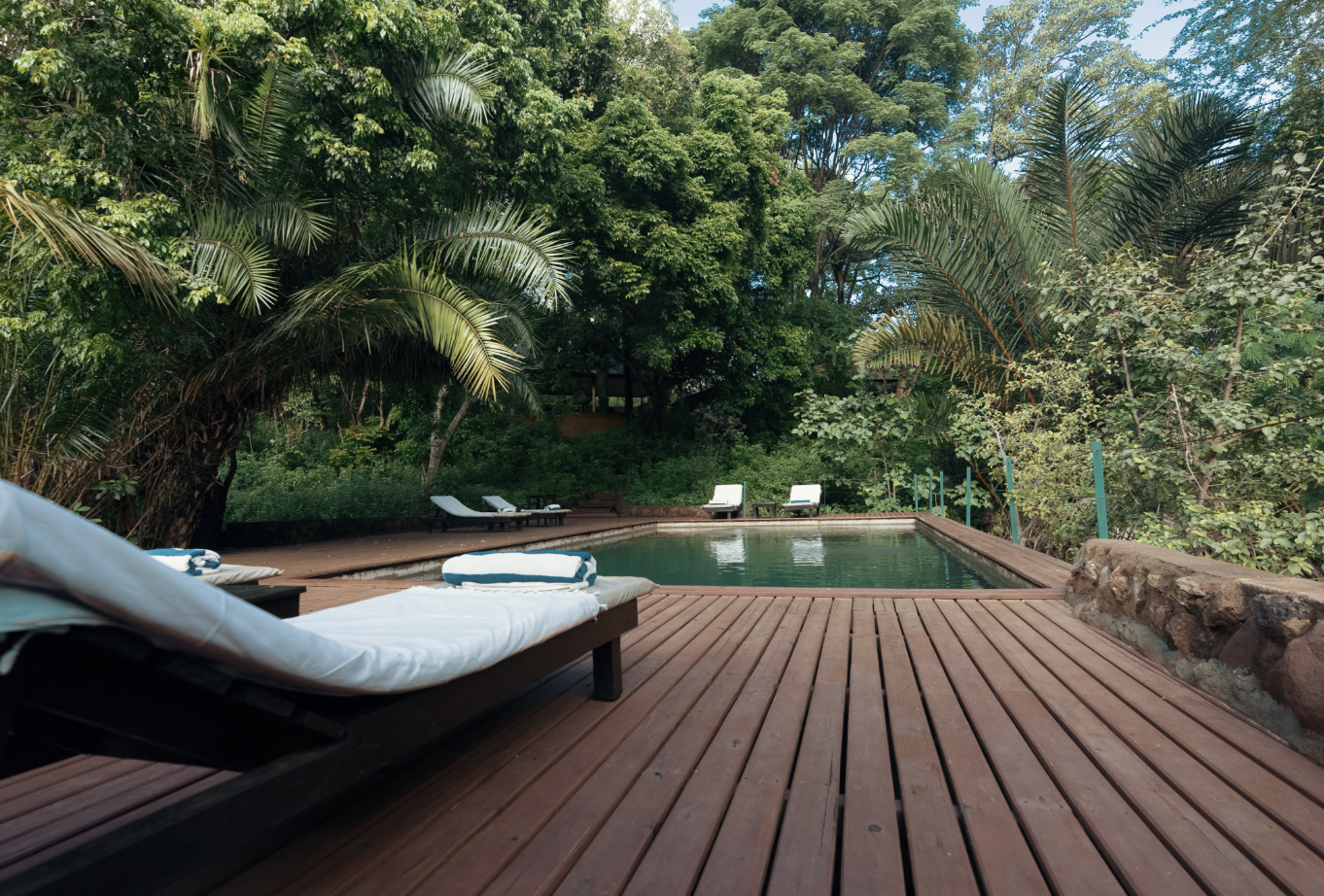
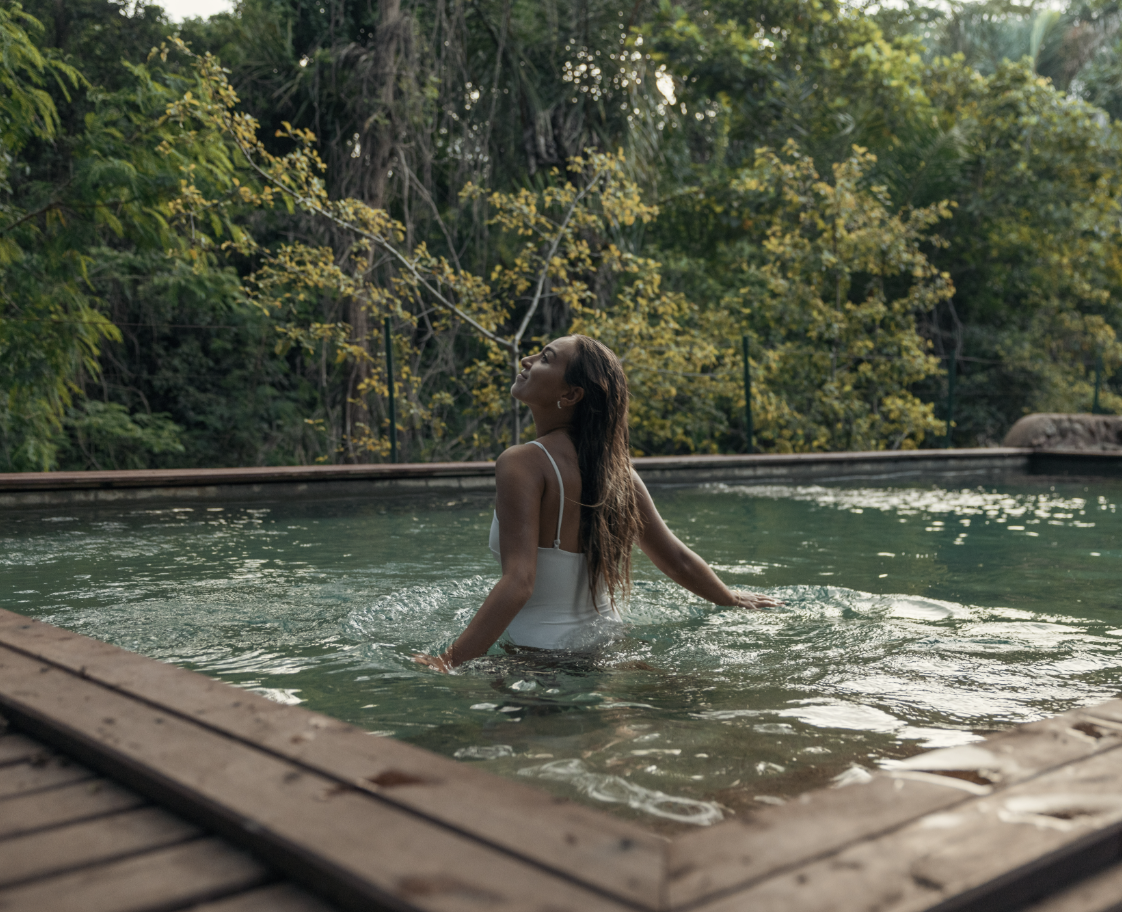
You will celebrate Christmas here at Rhino River Camp and Christmas Day might begin with coffee beneath the forest canopy before heading out on an early morning game drive while the bush is still cool and alive with activity. Returning to camp for a leisurely festive lunch beside the river, perhaps with a swim or a quiet afternoon in the shade, offers a wonderfully unhurried and atmospheric way to celebrate the holiday deep in the Kenyan wilderness.
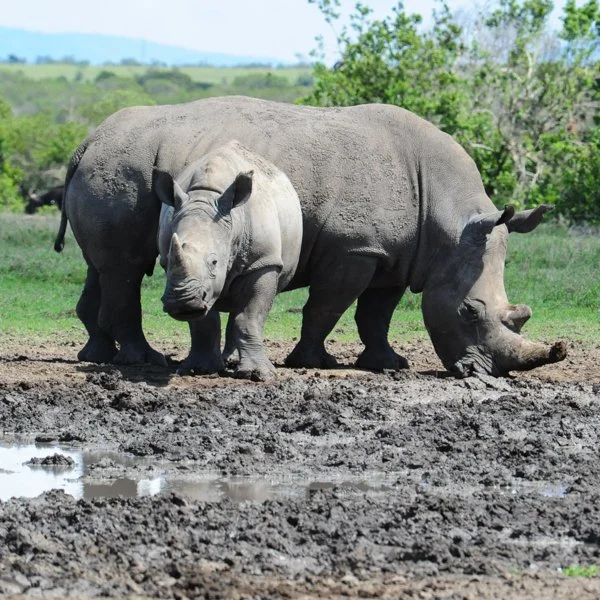
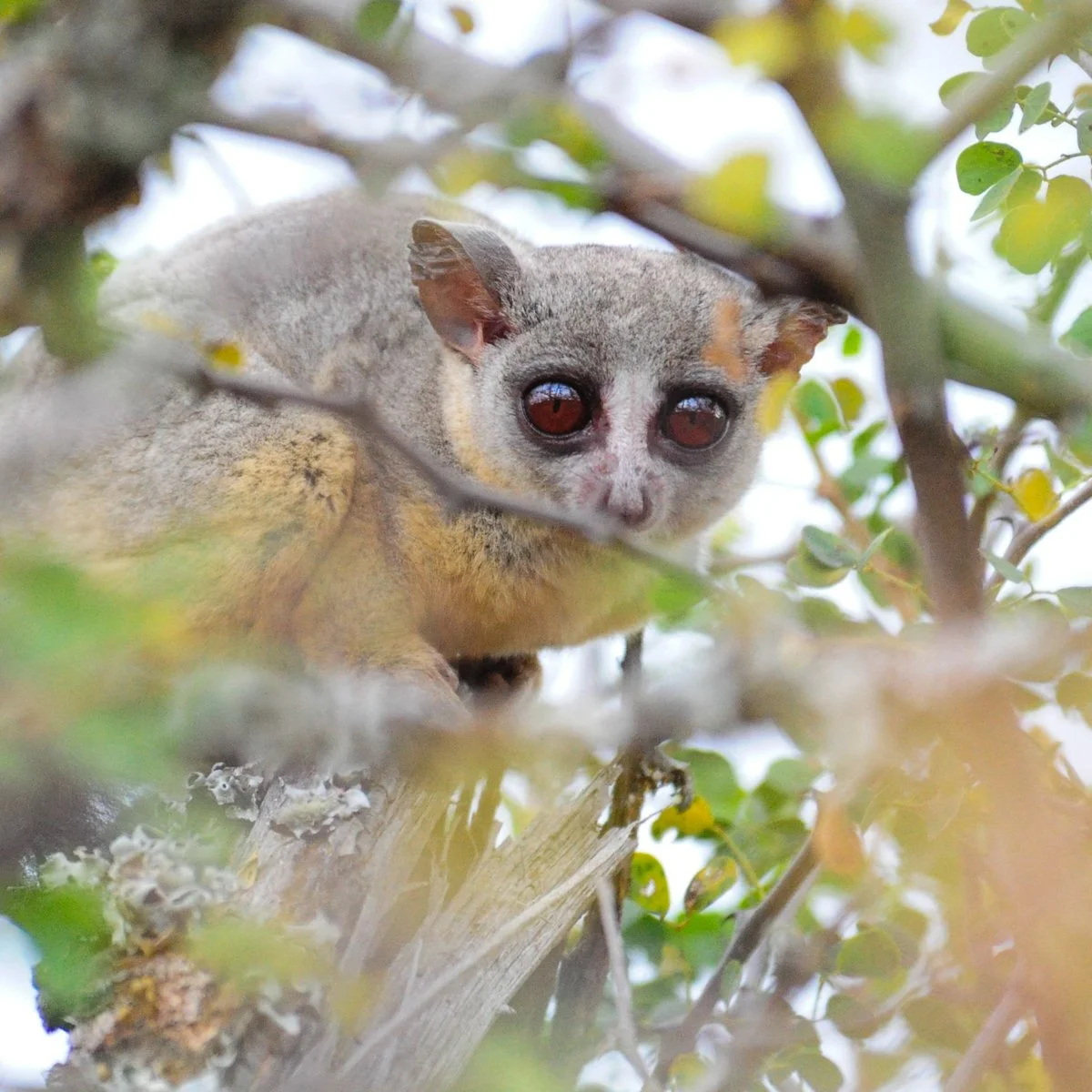
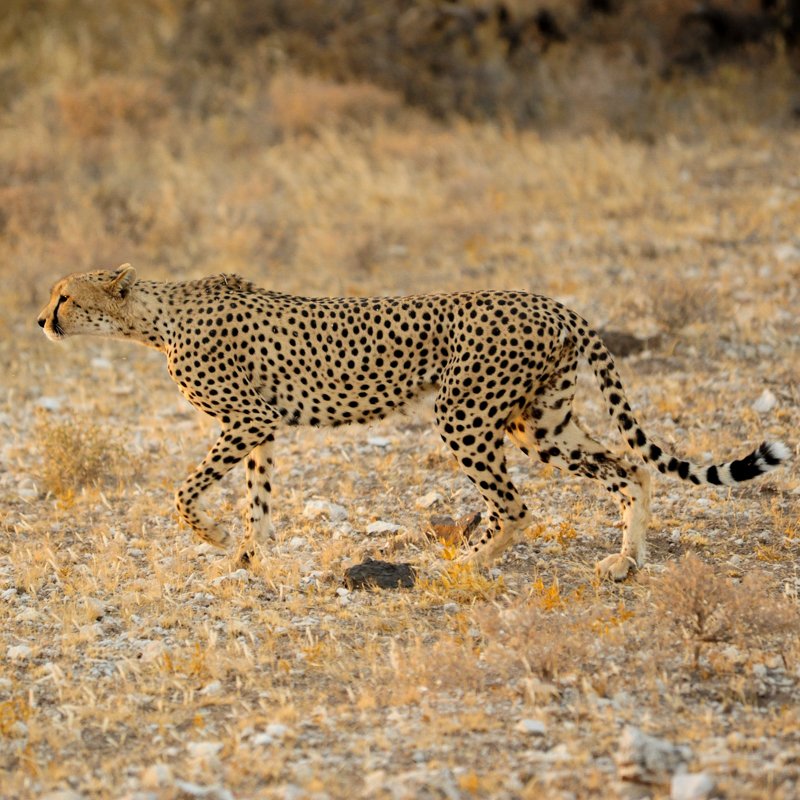
Over the course of your three-night stay you will explore Meru National Park, one of Kenya’s most diverse and quietly spectacular wilderness areas. Compared to the more heavily visited parks further south, Meru feels vast, remote and wonderfully untamed. The park is characterized by rolling grasslands, Doum palm groves, open savannah, dense riverine forest and numerous permanent rivers that sustain an extraordinary abundance of wildlife. Elephant herds are common, as are buffalo, giraffe, zebra and a particularly healthy population of both black and white rhino within the sanctuary areas. Lion and cheetah are regularly seen, while leopard thrive in the thicker riverine habitat.
Meru is perhaps most famous as the setting for the story of Born Free, and there remains something distinctly wild and romantic about the landscape today. Days are typically spent on game drives exploring the park’s varied habitats, perhaps stopping beside one of the rivers for coffee or sundowners, before returning to camp for excellent food, drinks beside the river and evenings surrounded by the sounds of the forest. The combination of rich wildlife, varied scenery and Rhino River Camp’s peaceful atmosphere makes this a wonderfully contrasting final chapter to your time in northern Kenya.
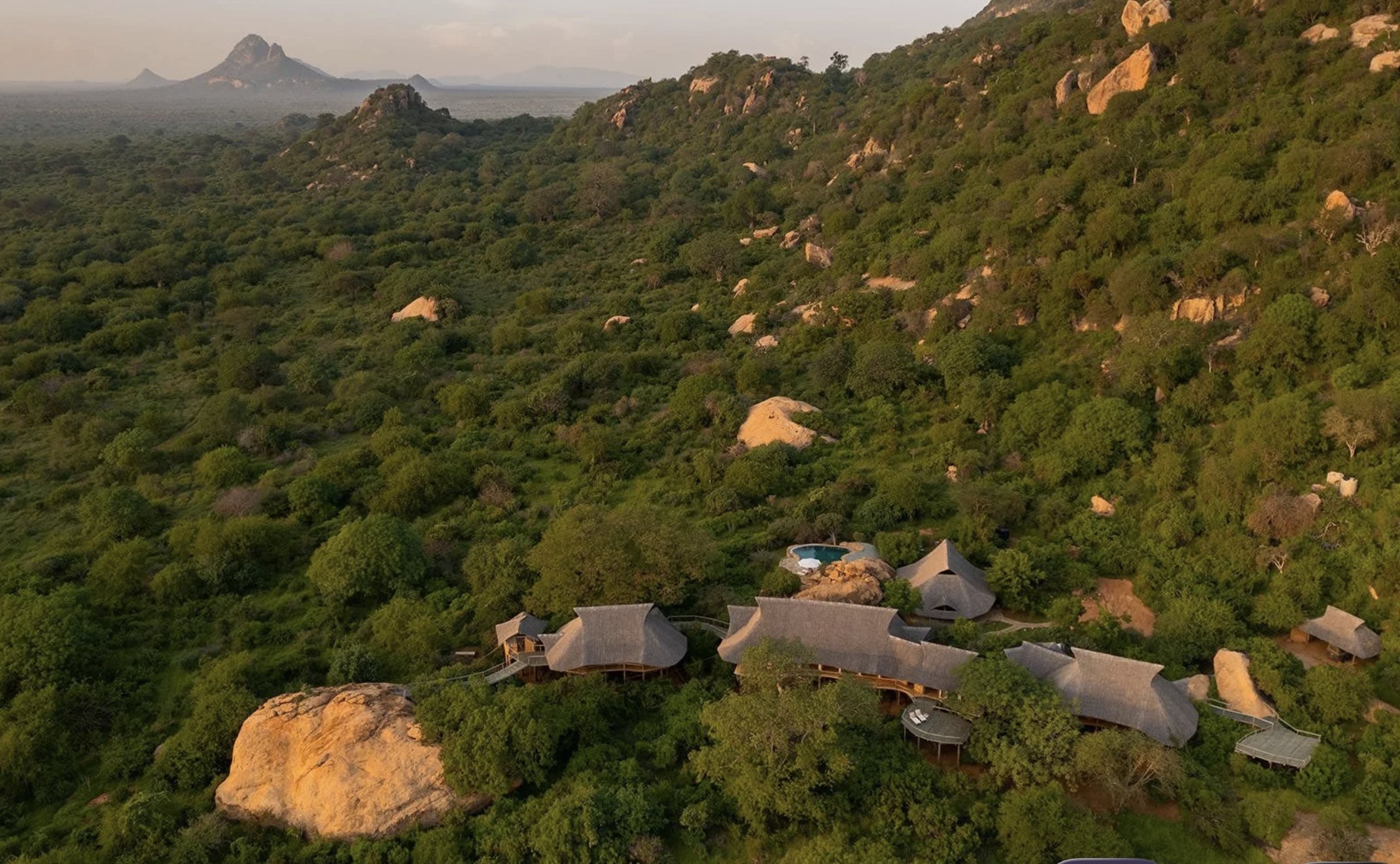
Ithumba Hill, Tsavo National Park
27th - 29th December : Ithumba Hill, Tsavo National Park
On 27th December you will depart Meru National Park by road transfer heading south-east across Kenya towards the vast wilderness of Tsavo East National Park. The drive is long and you can have lunch along the way but it is a pretty drive skirting the eastern shoulders of Mount Kenya before crossing immense expanses of semi-arid bushland, lava flows and winding seasonal rivers that hint at the scale and remoteness of Tsavo.
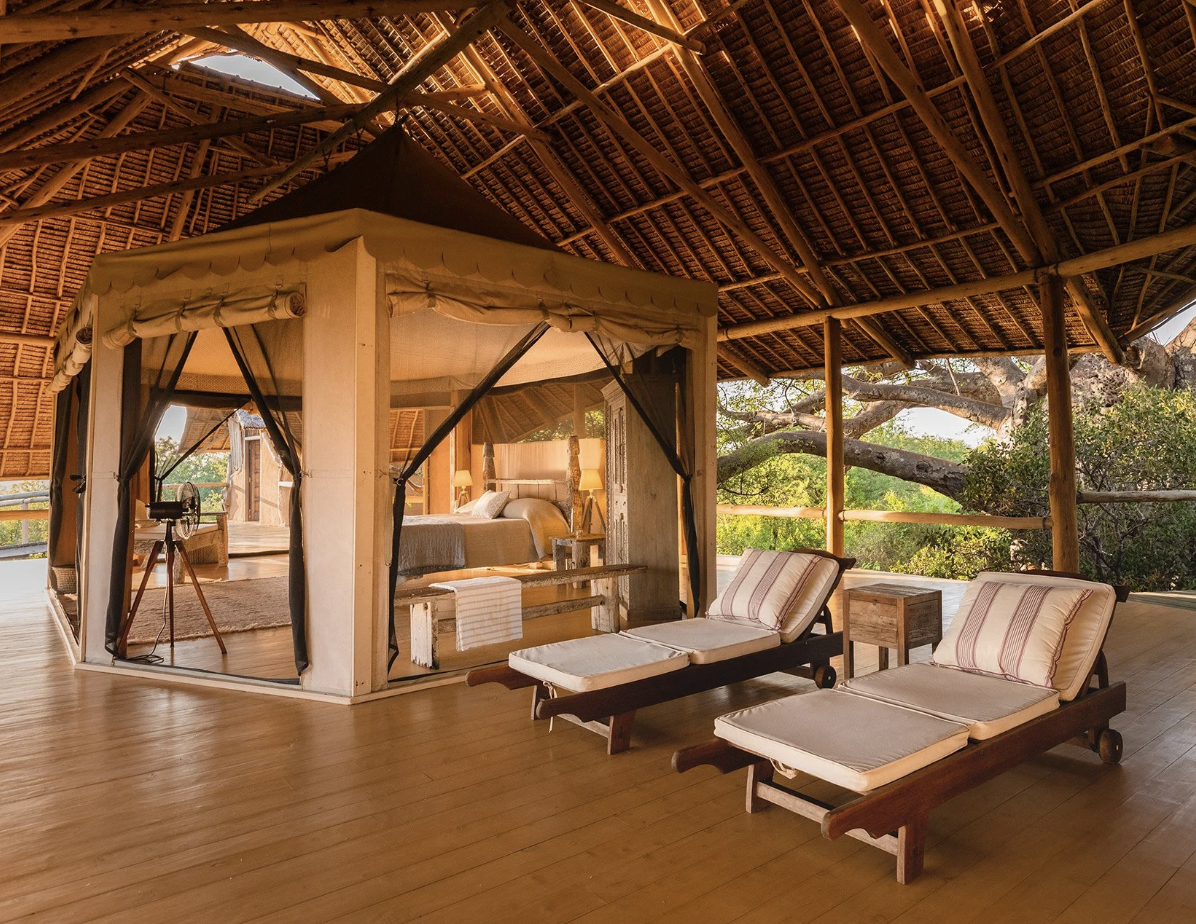
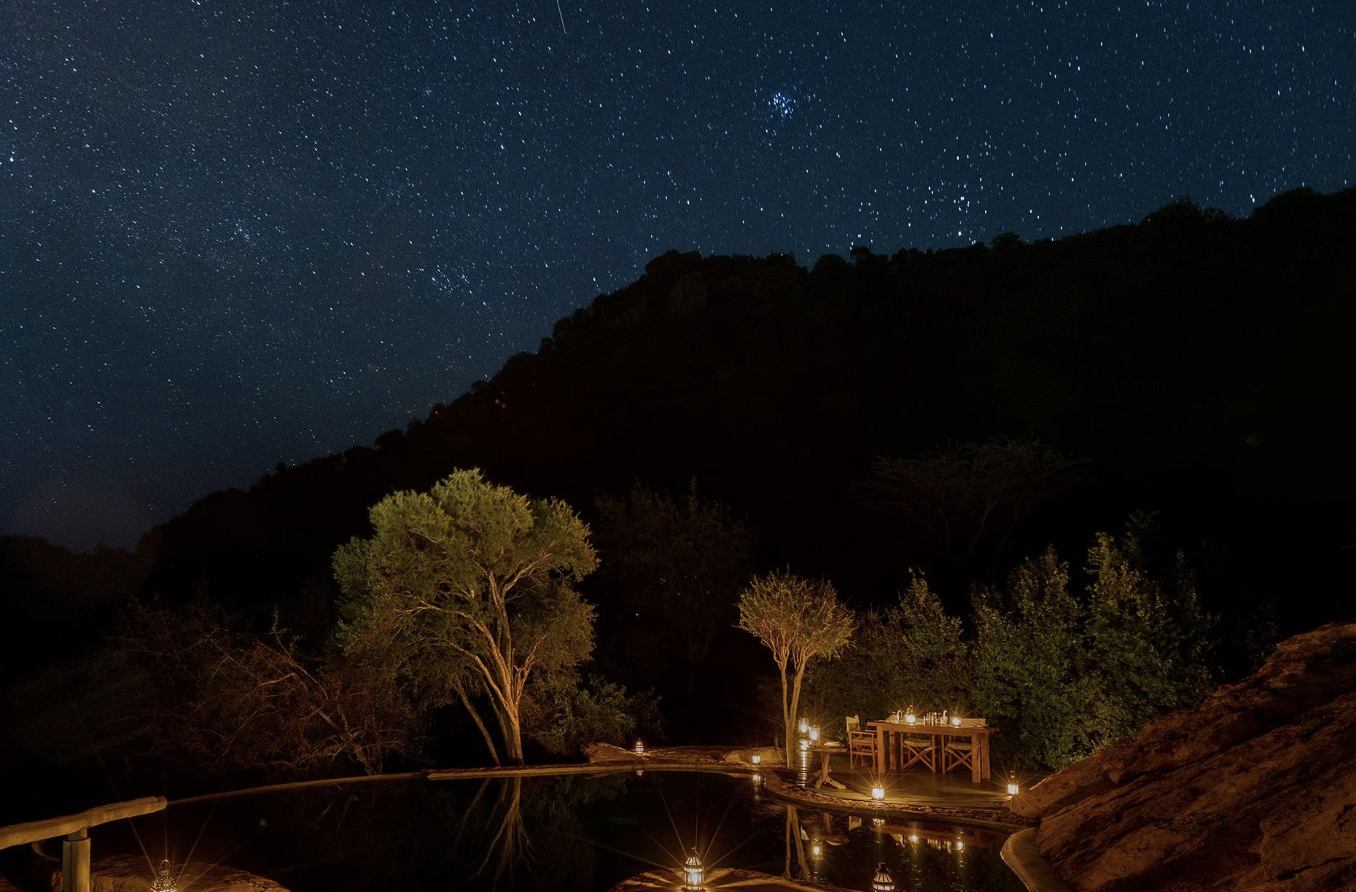
For the next two nights, from 27th–29th December, you will stay at Ithumba Hill Camp, perched high on a rocky hill with sweeping views across the northern Tsavo wilderness. The camp is wonderfully simple, elegant and remote, built from local stone and thatch so that it blends naturally into the surrounding landscape. Each room looks out over waterholes and the rolling bush beyond, and the sense of isolation and wildness here is extraordinary. Evenings are often spent around the campfire listening to the sounds of elephants moving below camp beneath the stars.
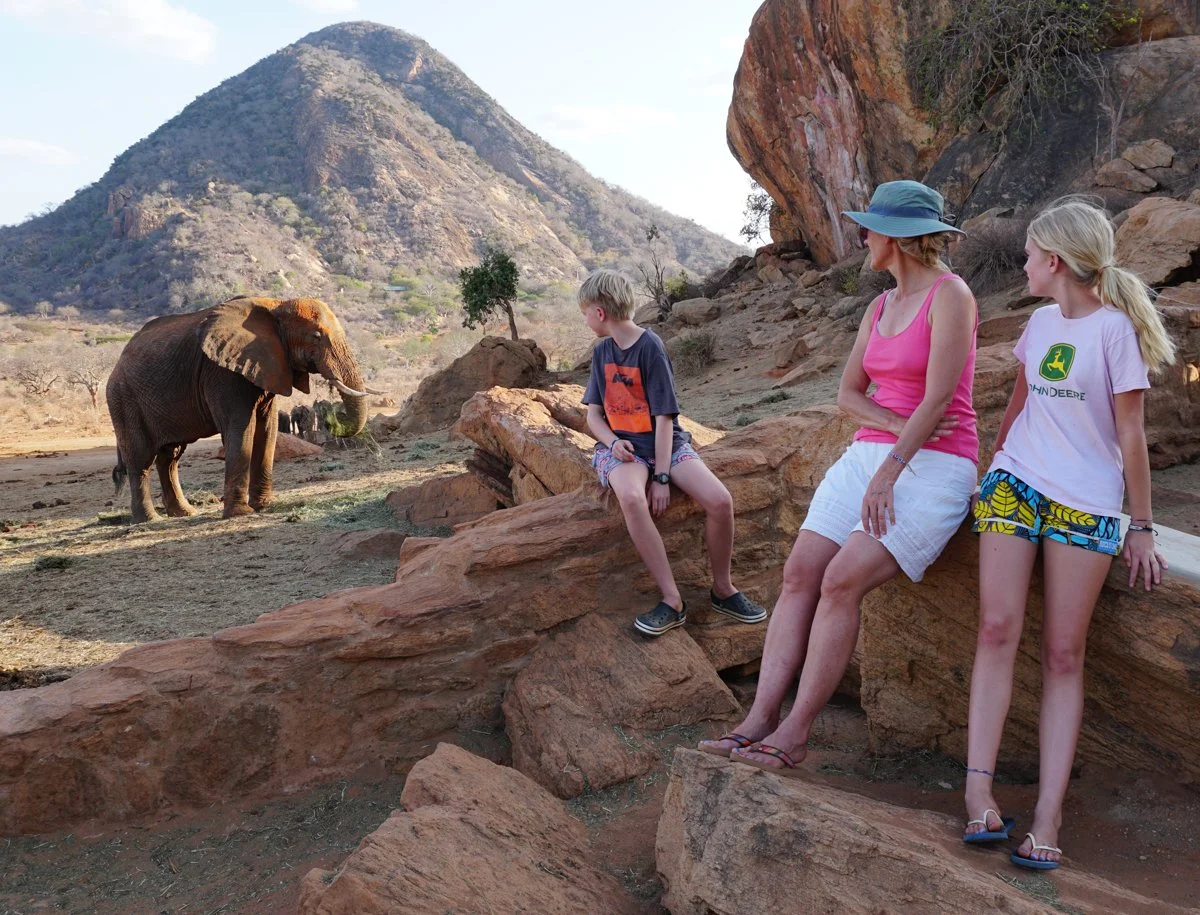
What makes Ithumba truly special, however, is its close connection to the work of the David Sheldrick Wildlife Trust and the remarkable elephant orphan rehabilitation programme based here. Ithumba is home to older orphaned elephants that were rescued across Kenya after losing their mothers through drought, human-wildlife conflict or poaching, and then carefully raised by dedicated keepers before gradually being reintegrated back into the wild. Guests staying at Ithumba gain a uniquely intimate insight into this long-term conservation effort and the extraordinary relationships that develop between the elephants and their keepers over many years.
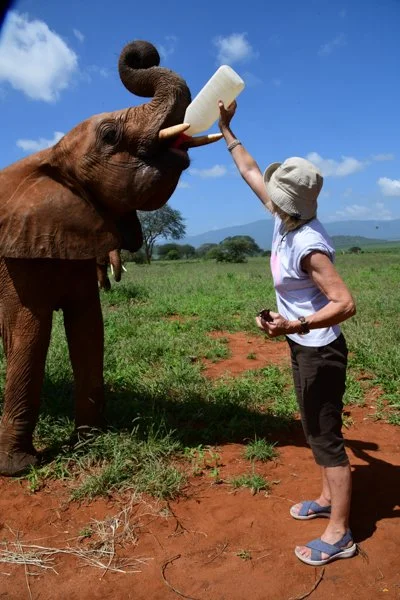
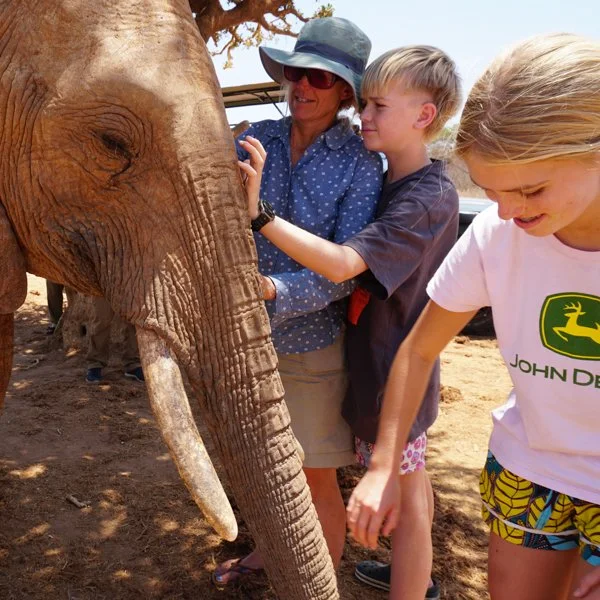
Visits to the stockades are often among the most memorable wildlife experiences in Kenya. In the evenings the elephants return in small groups from the surrounding wilderness to feed, socialise and sleep safely near the stockades before wandering out again at dawn. Many are now fully wild yet continue to visit voluntarily, sometimes bringing their own wild-born calves or wild friends back to introduce them to the keepers who raised them. Watching these interactions up close offers a rare and deeply moving understanding of elephant intelligence, memory and family bonds.
The wider Ithumba region is equally fascinating. Northern Tsavo is immense, rugged and sparsely visited, with dramatic rocky hills, dry riverbeds, ancient baobabs and large herds of red-dusted elephants roaming through the landscape. Alongside the elephant programme, the Sheldrick Trust’s work here extends to anti-poaching patrols, habitat protection, veterinary support and broader community conservation initiatives aimed at safeguarding not only elephants but the entire ecosystem upon which they depend. A stay at Ithumba therefore combines extraordinary wildlife viewing with a genuine connection to one of Africa’s most respected and hands-on conservation organisations.
Roca Camp, Maasai Mara
30th December - January 3rd 2027: Roca Camp, Maasai Mara
On 29th December you will depart Ithumba Hill Camp by private charter for the long and spectacular flight west across Kenya to the legendary Maasai Mara National Reserve. The journey offers a remarkable aerial perspective on the sheer diversity of the country. Leaving the red soils and baobab-studded wilderness of Tsavo behind, the flight crosses great lava plains, winding seasonal rivers and vast ranchlands before climbing towards the central highlands. On a clear day there are magnificent views back towards Mount Kenya and across the Rift Valley escarpments, with their chains of lakes, extinct volcanoes and rolling agricultural country, before eventually descending into the greener open grasslands of the Mara ecosystem.
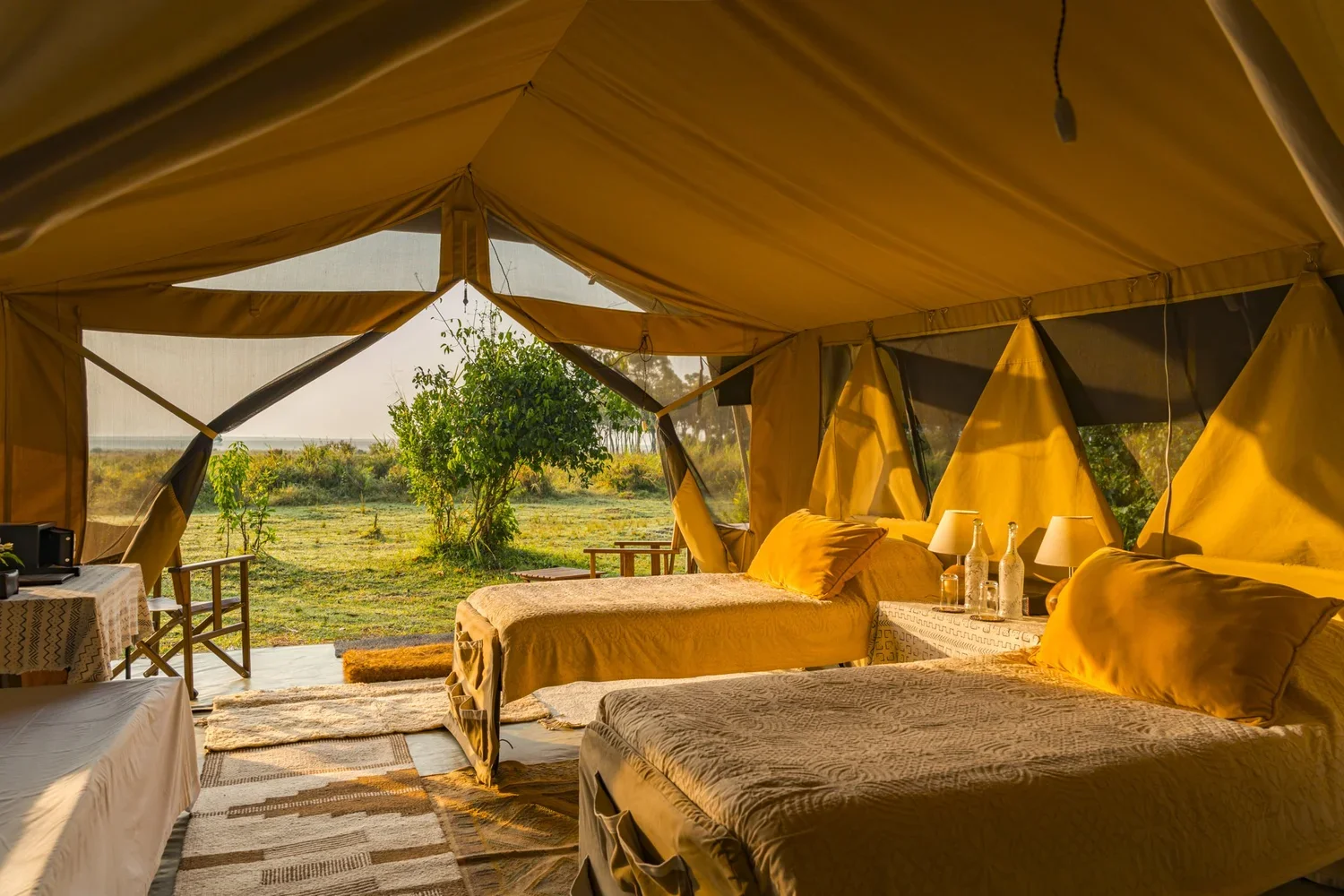
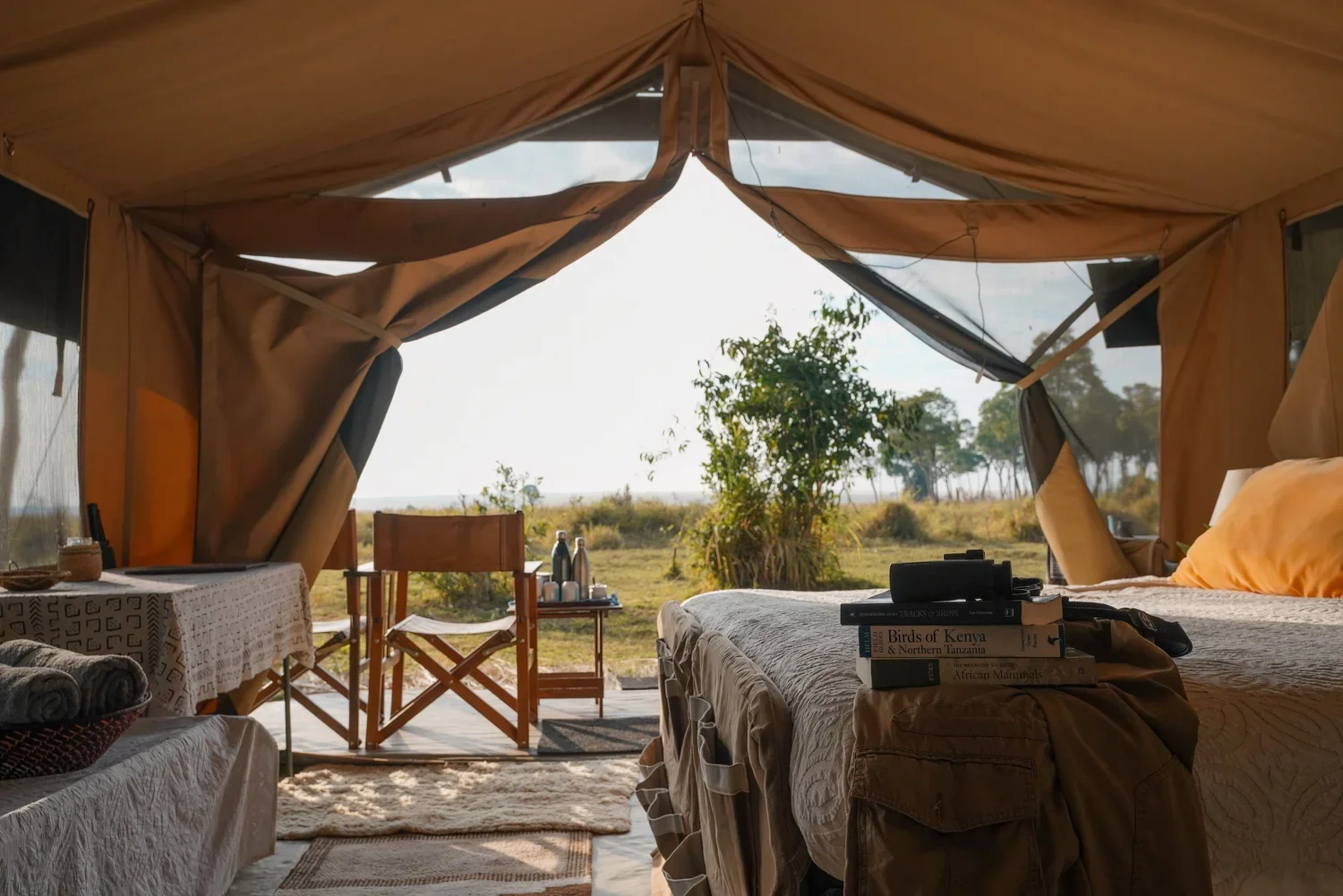
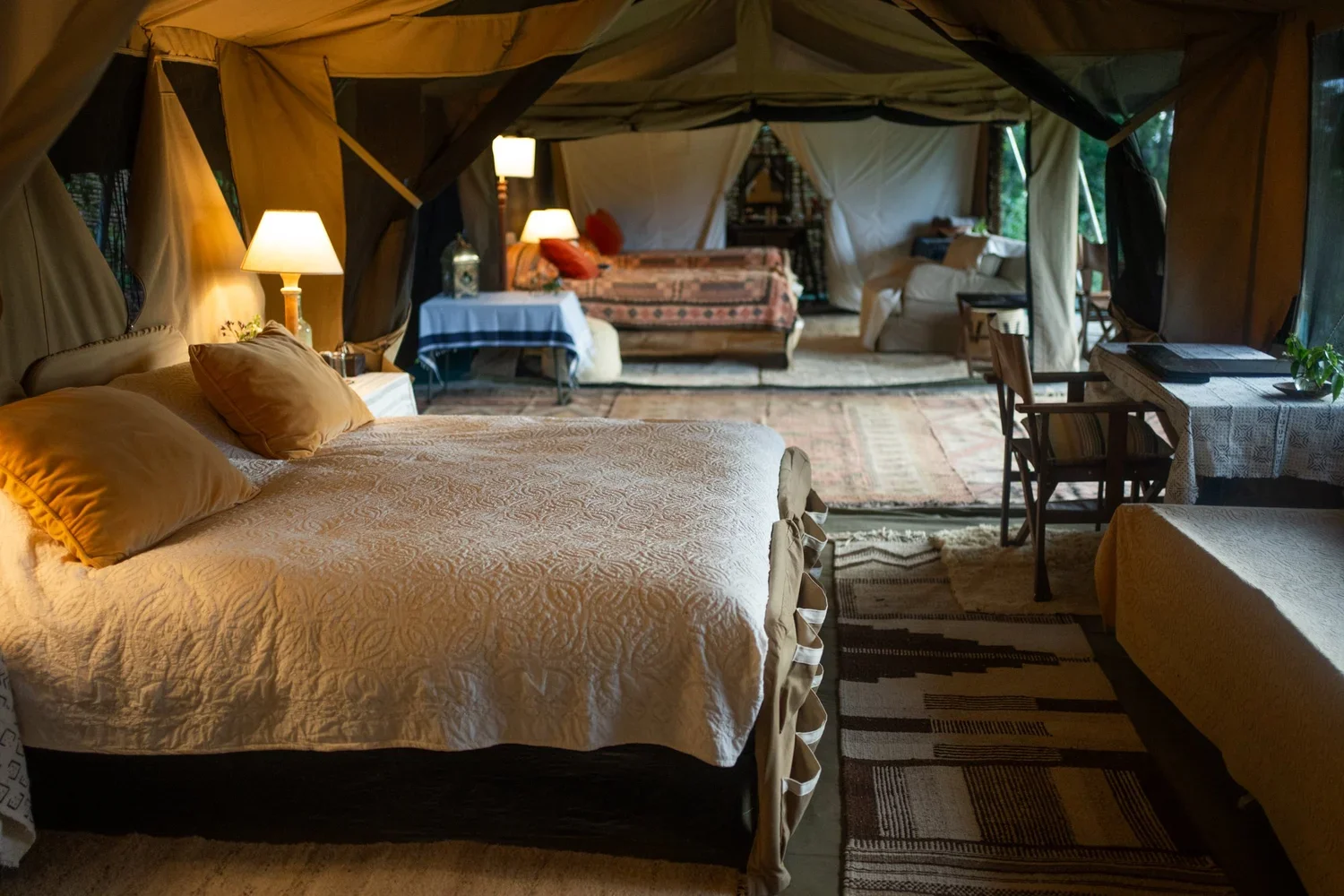
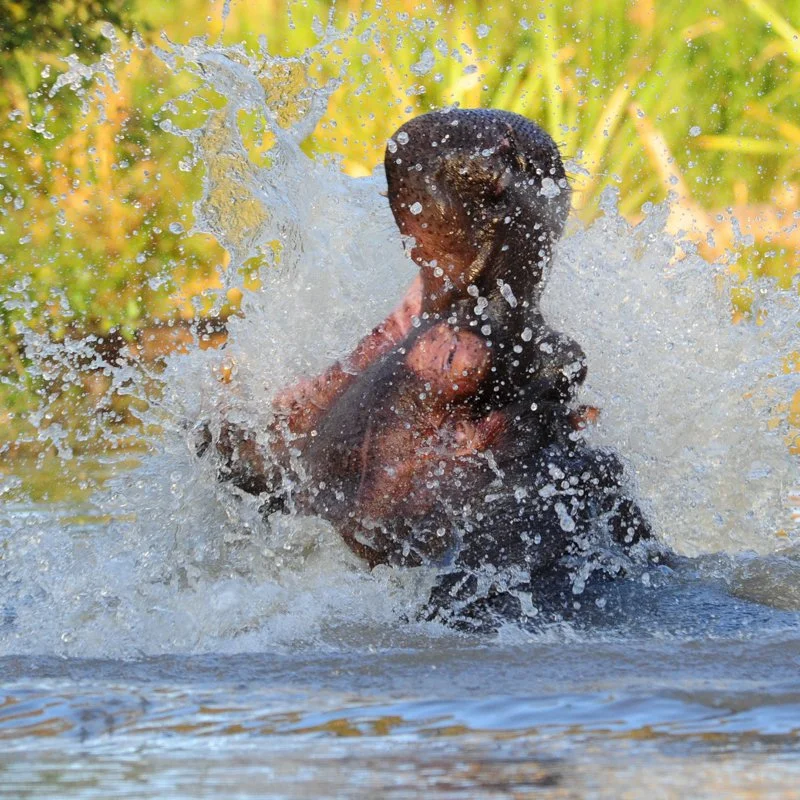
For the next stage of the journey you will stay at Roca River Camp, owned and hosted by our good friends Ross and Caro. Roca is a small, stylish and deeply comfortable camp set along a beautiful riverine section of the Mara, designed to feel more like a welcoming bush home than a conventional lodge. The atmosphere is relaxed and personal, with excellent guiding, thoughtful hospitality and a strong sense of connection to the surrounding wilderness. Spacious tents are tucked beneath trees overlooking the river, where hippo and elephant are often seen below camp, while evenings revolve around fireside drinks, excellent food and stories from the day’s sightings.
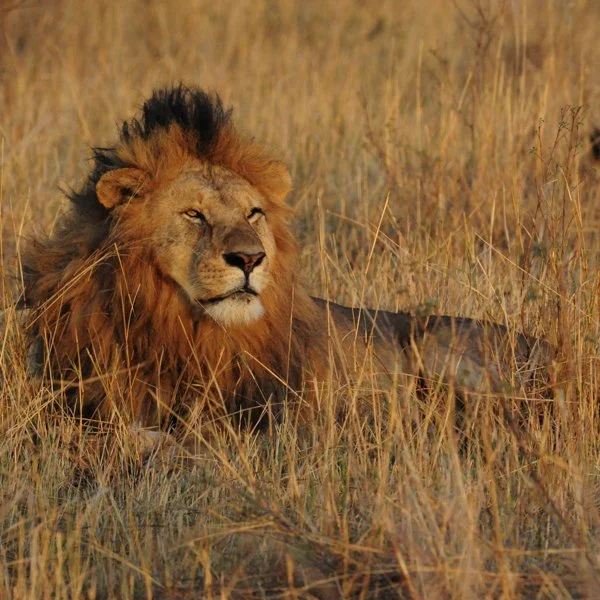
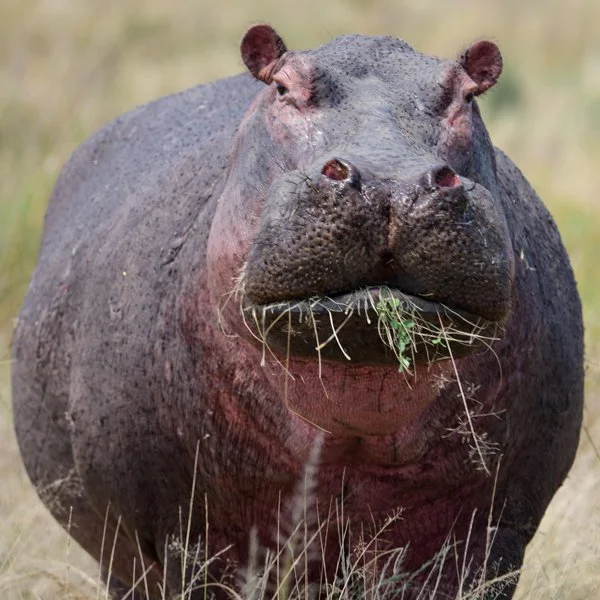
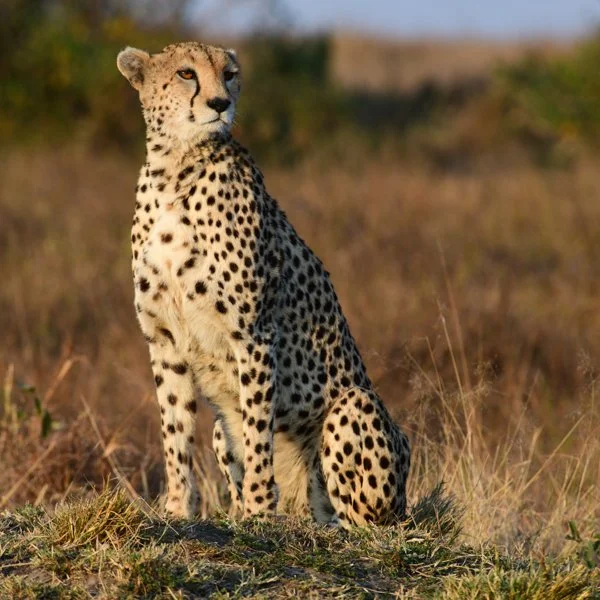
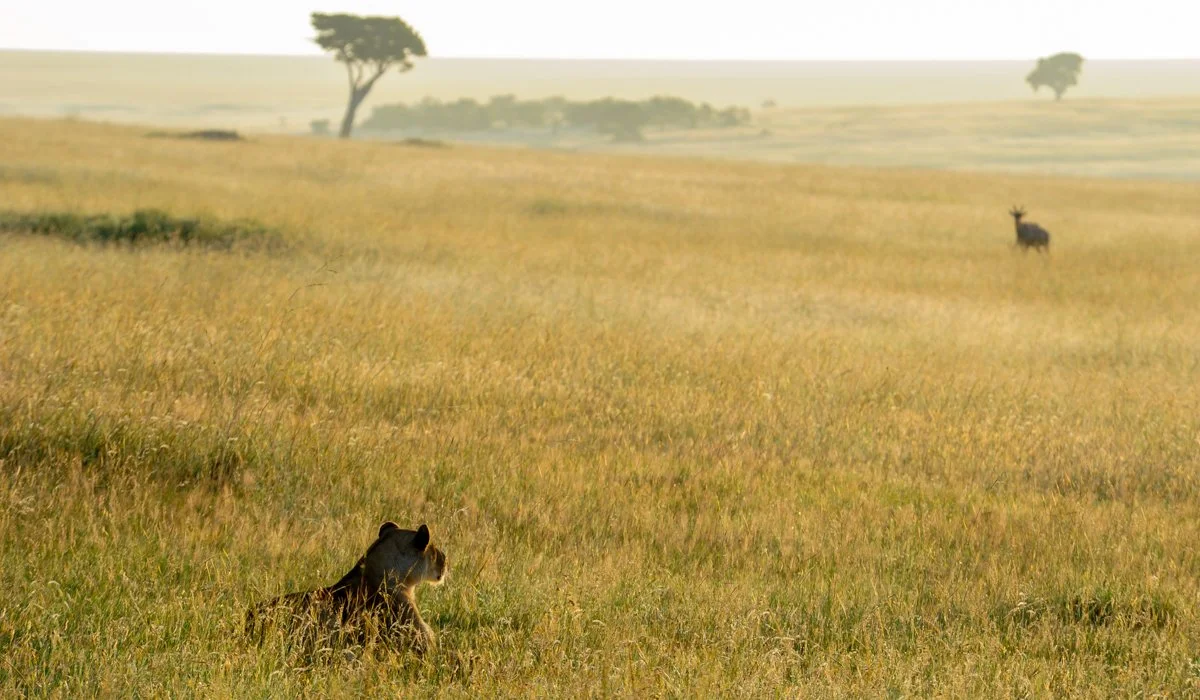
The Maasai Mara itself offers yet another dramatic contrast to the landscapes already experienced during the safari. Here the country opens into sweeping grass plains punctuated by rocky outcrops, acacia woodland and winding rivers alive with wildlife. The density of game is extraordinary. Large herds of wildebeest, zebra and topi support abundant predators, and guests may encounter lion prides, cheetah hunting across the plains, leopard draped in riverine fig trees or hyena patrolling after dark. Elephant, giraffe and buffalo are all common, while the birdlife is exceptional throughout the reserve.
While the Mara is rightly famous for its wildlife spectacles, much of its magic also lies in the quieter moments — early morning light spreading across the plains, Maasai herders moving cattle along distant ridges, picnics beside the river, or returning to camp at dusk as hippos begin grunting below the tents. After the remoteness of northern Kenya and Tsavo, the Mara provides a fittingly rich and wildlife-filled final chapter to the journey, combining some of Africa’s finest game viewing with the warmth and intimacy of staying among old friends.
